Explore our top architectural-grade interior door systems, built for high-performance soundproofing, moisture barrier, and custom design layouts.
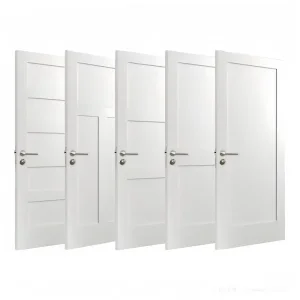
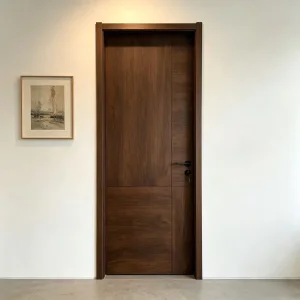
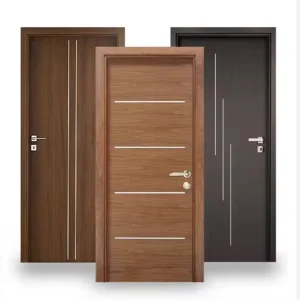
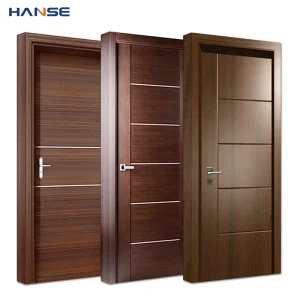
Within contemporary architecture and real estate development, solid wood interior doors are no longer regarded simply as room partitions. Today, they constitute a primary performance system responsible for acoustic decoupling, fire safety compartmentation, and structural longevity. For international developers, architects, and procurement organizations, selecting a manufacturing partner goes beyond basic aesthetic alignment. It requires an in-depth validation of the manufacturer's engineering standards, material drying parameters, structural core technologies, and volume scalability.
"Structural warping and joint separation remain the top causes of site failures for low-grade timber doors. Addressing this requires precision climate controls inside raw wood kilns and highly engineered composite cores to offset timber's natural hygroscopic expansion."
Global procurement agents face three primary challenges: regulatory compliance (such as VOC emissions limits and FSC certification), project lead-time volatility, and moisture-driven dimensional shifts. When shipping timber products across diverse geographic regions, dry desert climates or high-humidity tropical conditions can cause minor dimensional warping. To counter this, advanced door factories implement strict controls to ensure the wood's Equilibrium Moisture Content (EMC) sits between 8% and 12% before pressing. This minimizes internal stress and ensures long-term stability.
Furthermore, commercial buyers require complete documentation for acoustic ratings (STC values ranging from 30dB up to 45dB) and fire resistance ratings (BS 476 Part 22 or UL 10C standard certifications). Meeting these requirements requires shifting from simple solid timber structures toward engineered timber cores, utilizing Laminated Veneer Lumber (LVL) stiles and rails with high-density MDF crossbands, finished with durable real-wood veneer overlays.
The transition toward Industry 4.0 in China's manufacturing sector has transformed traditional woodworking. High-tech equipment, automated machinery, and advanced digital control systems have largely replaced manual assembly lines, resulting in higher precision and increased production capacity.
At Zhejiang Larsom Door Co., Ltd., this technological transformation is fully integrated within our operations. Operating a 16,000 square meter modern manufacturing facility, we manage production workflows using CNC laser cutting machines, CNC bending machines, automated welding systems, turret punchers, and dedicated UV-curing lines. Our daily production capacity exceeds 200 premium door sets, allowing us to serve commercial clients in over 130 countries and regions, including Europe, the Middle East, South America, and Central Asia.
Depending on the project type, interior door requirements can vary significantly:
We specialize in OEM and ODM partnerships. Our production systems comply with ISO9001 and national green building guidelines, helping developers earn LEED credits for their building projects.
How changing architectural needs and raw material advancements are shaping the design of interior doors.
The transition toward zero-VOC water-based paints and UV-curing lines helps project developers meet green building requirements and gain LEED credits.
Multi-family and hospitality properties rely on heavy solid core configurations and perimeter drop-seals to control sound transmission (achieving up to 45dB protection).
Safety codes require door assemblies in public and high-rise projects to offer verified 20 to 90-minute fire resistance ratings.
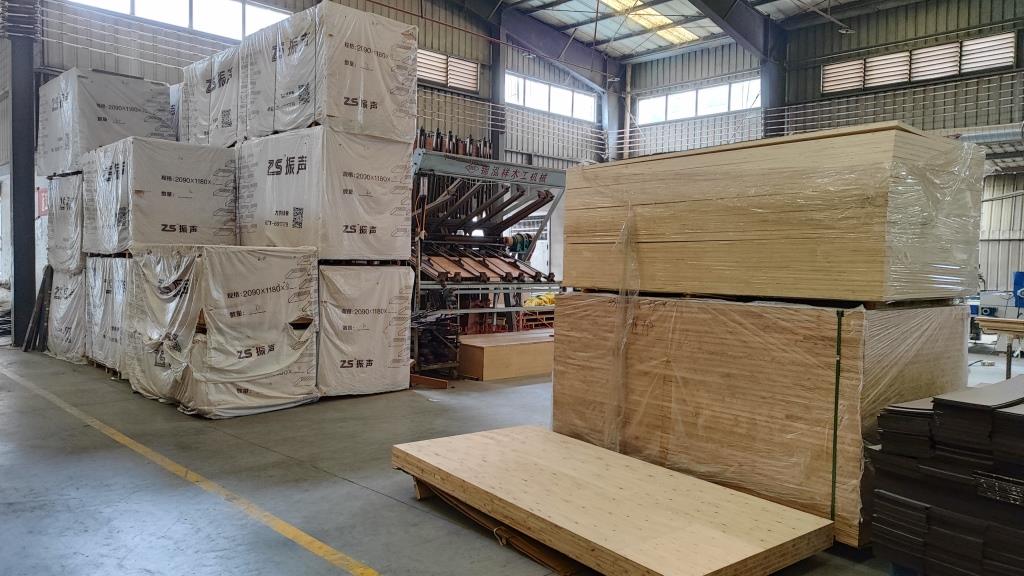
An inside look at our manufacturing processes, showing how we combine precision raw material preparation with automated finishing systems.
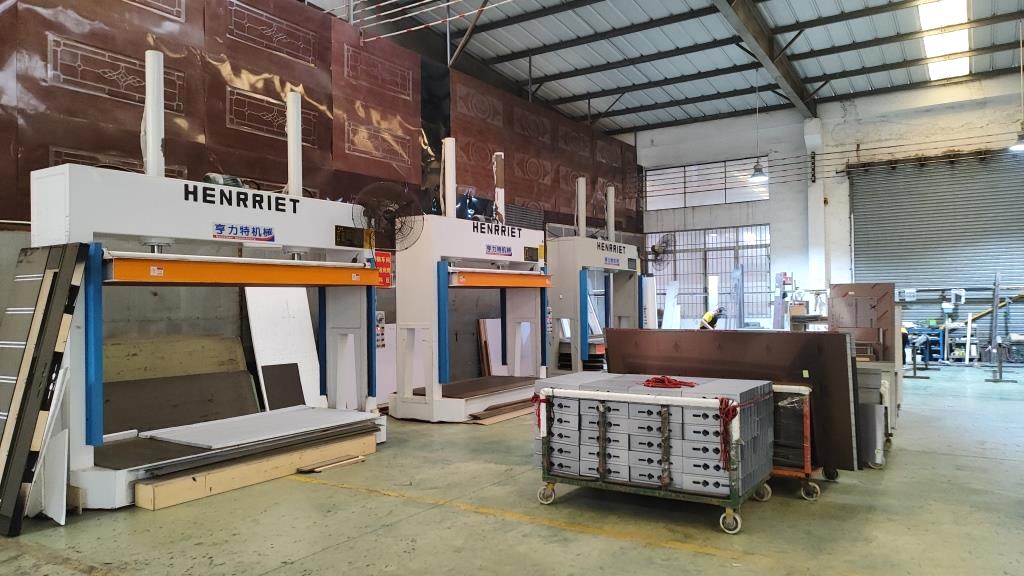
High-pressure thermal presses bond the engineered core, stabilizer crossbands, and external veneer layers together, creating a stable, warp-resistant door slab.
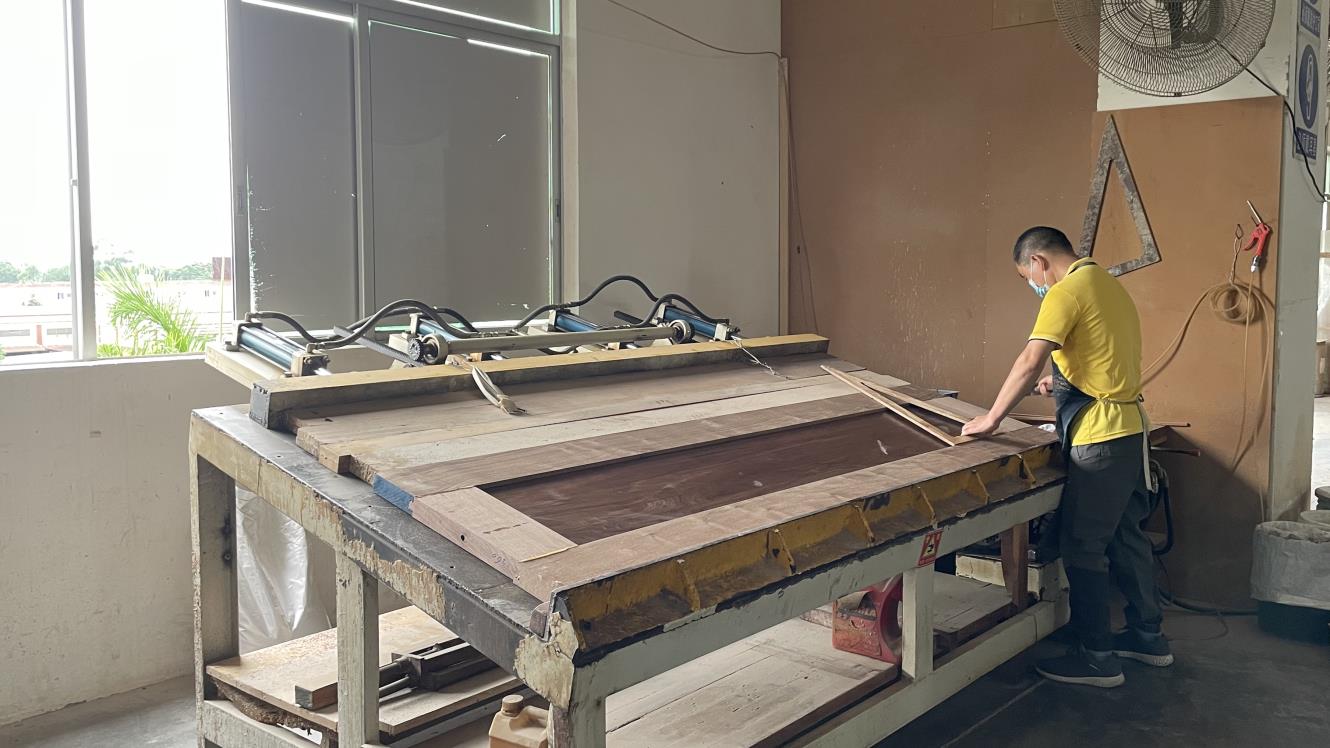
Timber components are jointed using clean finger-joints and high-strength adhesives, ensuring a secure base core free of interior voids.
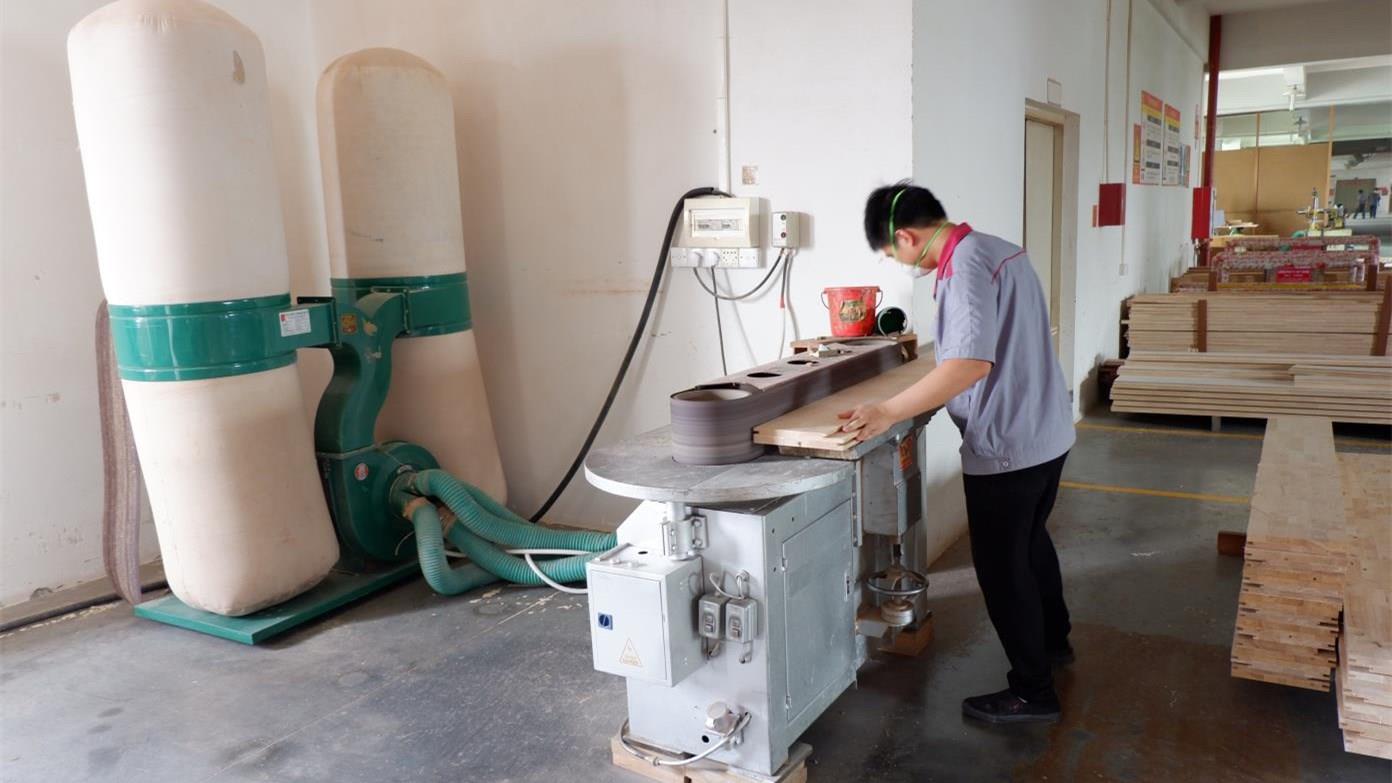
Automated edge sanders calibrate the dimensions and smooth out the edges, preparing the wood for clean veneer application or edge-banding.
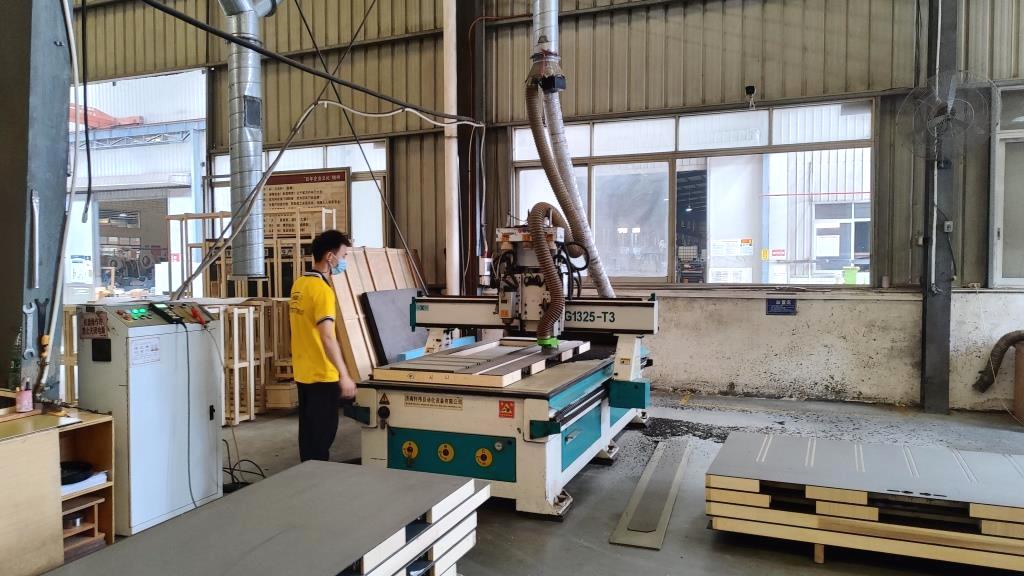
Computer-controlled CNC routers engrave precise design profiles, shaker patterns, and lock pockets directly into the door face according to project specifications.
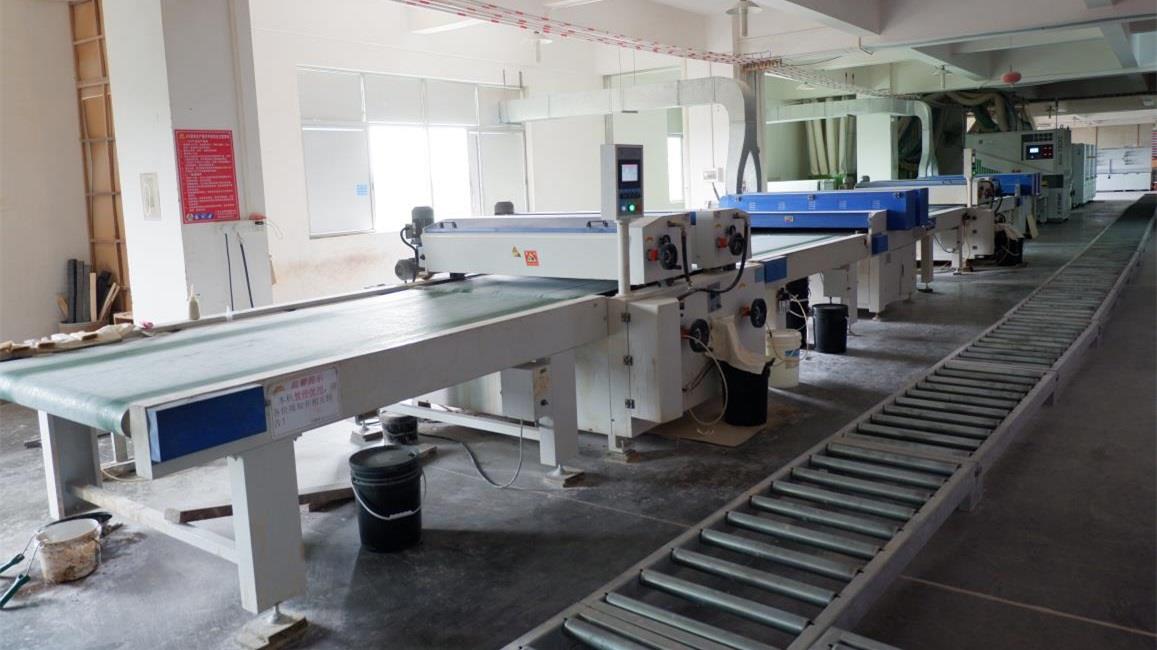
Automated roller coaters apply water-based UV primers and topcoats, curing them instantly with UV lamps to create a durable, scratch-resistant exterior finish.
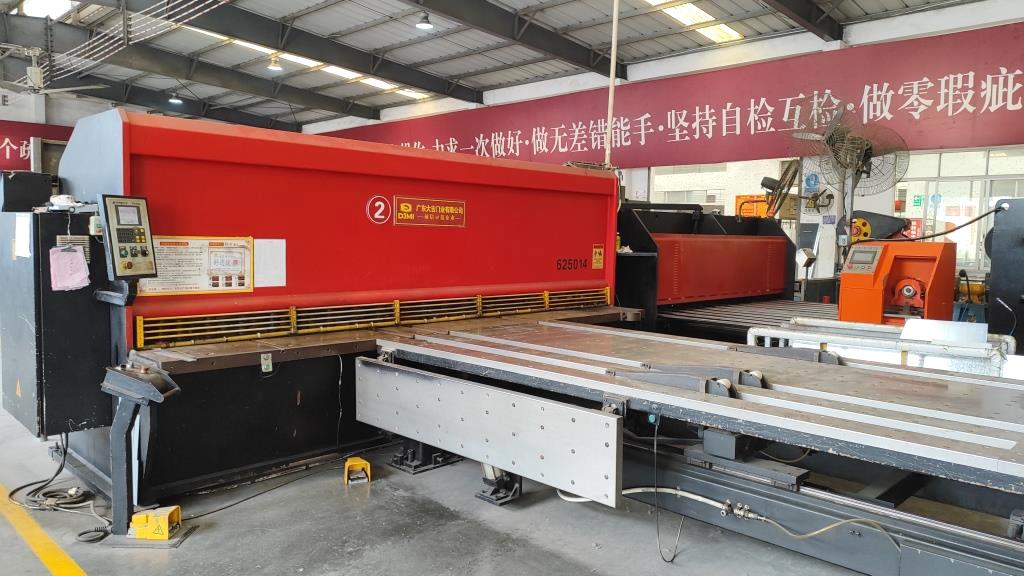
Heavy shearing machines cut raw steel and aluminum plates to size, preparing reinforcing structural elements for armored and secure steel-wood hybrid doors.
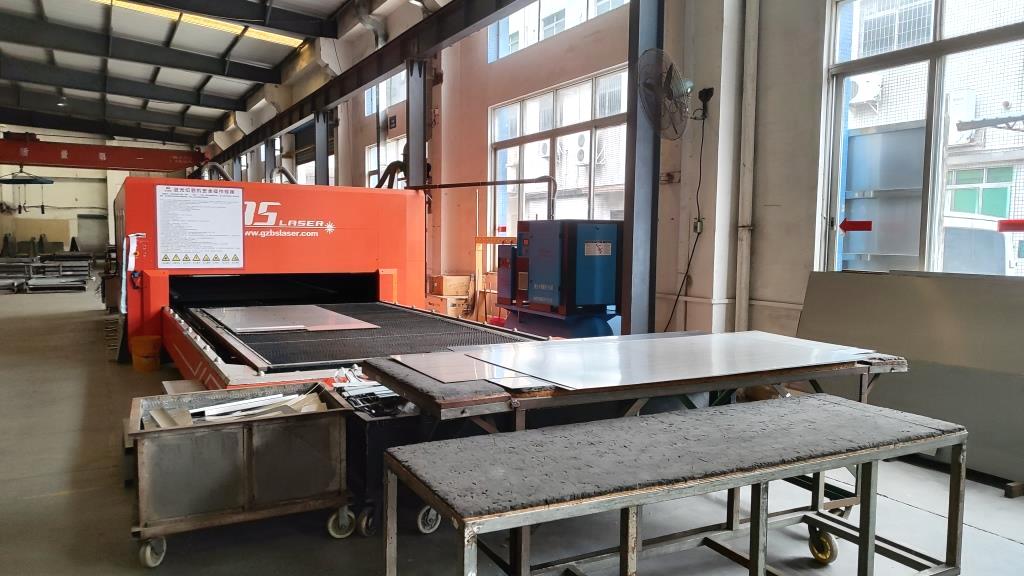
High-precision laser systems cut complex shapes out of steel panels, ensuring tight tolerances for locksets and security hinge placements.
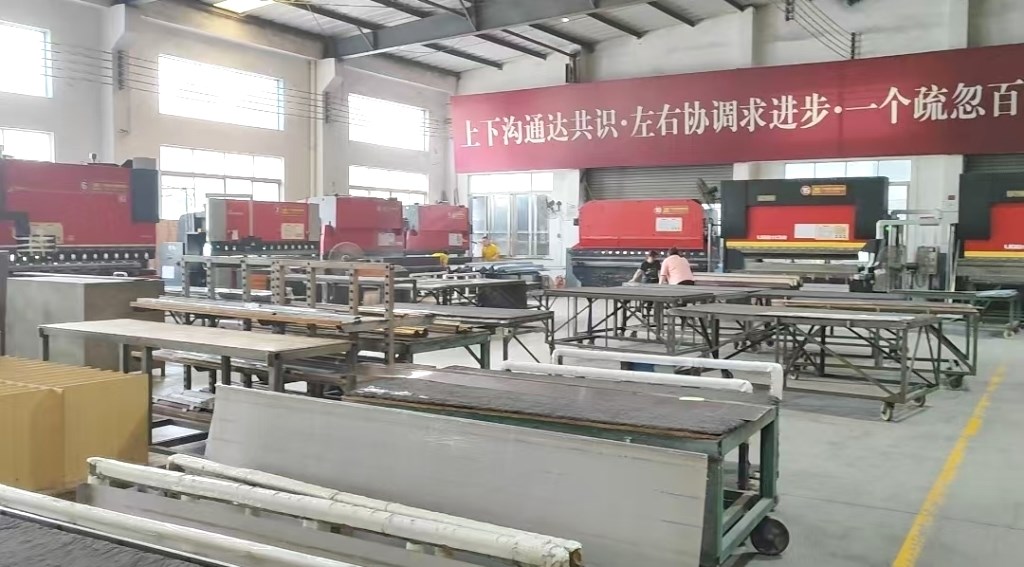
Hydraulic press brakes bend metal edge reinforcements and door frame assemblies to ensure a secure, close fit with the wooden core.
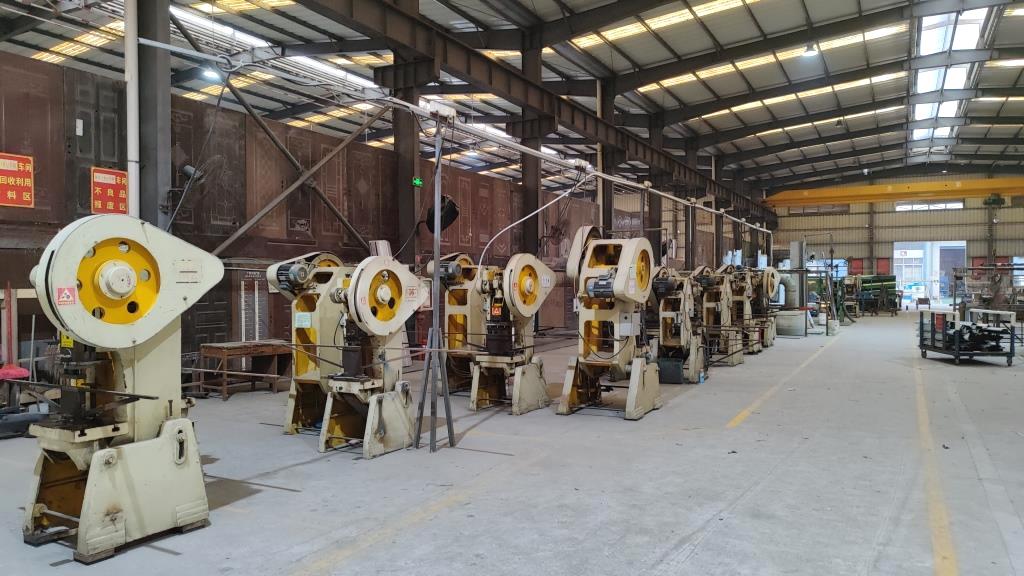
High-speed turret punching presses lock locations and structural screw points, completing the panel preparation before it heads to final assembly and inspection.
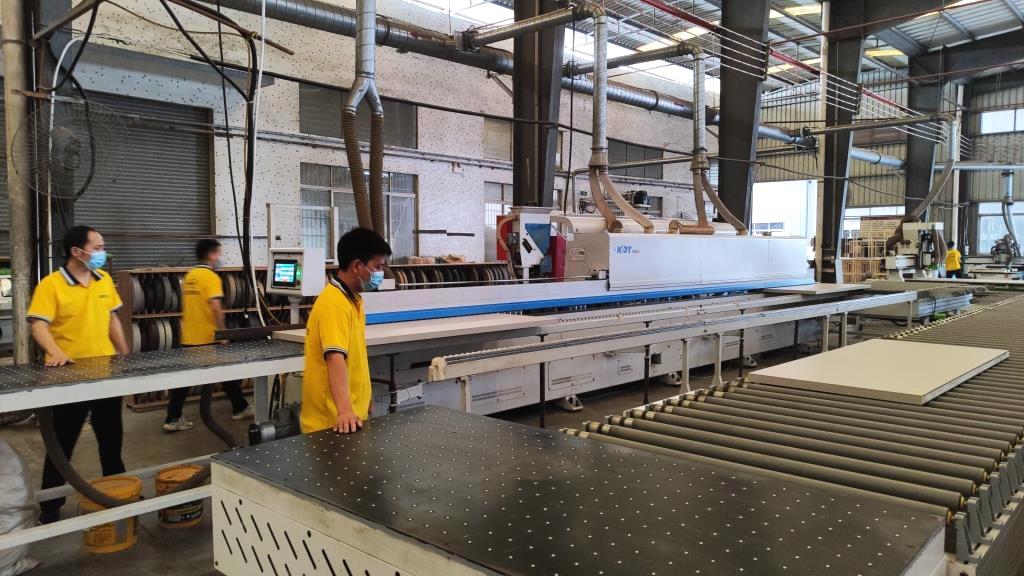
Automated steel plate preparation and profile fabrication line at Zhejiang Larsom.
Answers to common technical queries about custom specifications, shipping prep, and installation requirements.
A: Warping is primarily caused by changes in internal moisture levels. We address this by dry-kilning all timber to an Equilibrium Moisture Content (EMC) of 8% to 12% before processing. Additionally, we construct our doors using Laminated Veneer Lumber (LVL) stiles and rails combined with high-density MDF crossbands, which counteract the natural movement of solid timber.
A: Yes. We manufacture fire-rated interior doors designed to meet common commercial regulations (including BS 476 Part 22 and UL 10C standards). These models are built with specialized mineral cores and intumescent seals that expand in high temperatures to block smoke and flame spread.
A: Lead times generally range from 25 to 35 days, depending on custom details and hardware pre-milling needs. For bulk orders or specific project requirements, please contact our support team to discuss terms and arrangement details.
A: Yes, we provide pre-hung door systems where the slab, hinges, lockset pockets, and frames are pre-machined at our factory. This makes on-site installation quick and simple, minimizing the risk of errors during assembly.
Our extended product line, including composite finishes, solid cores, and sliding frame configurations.
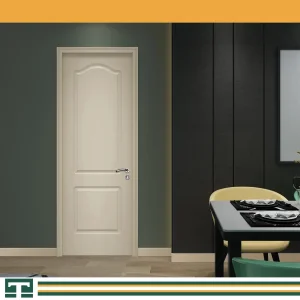
 Larsom Door