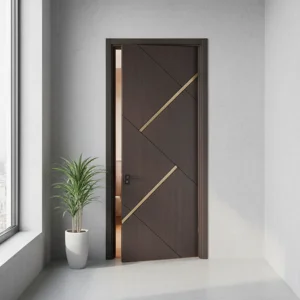
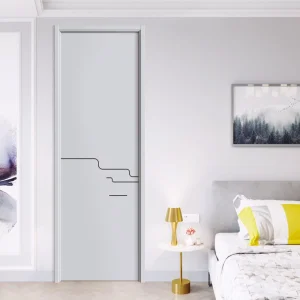
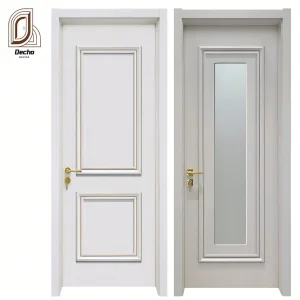
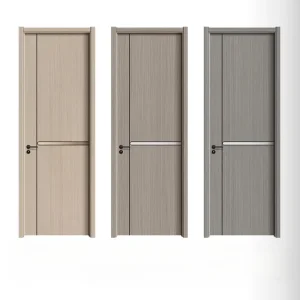
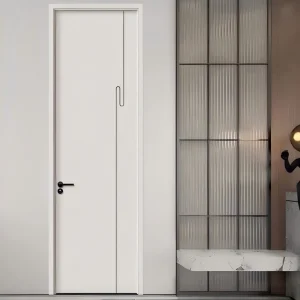
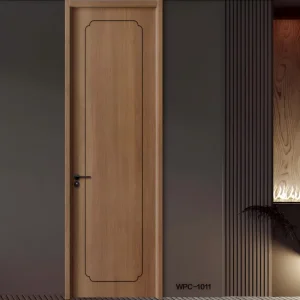
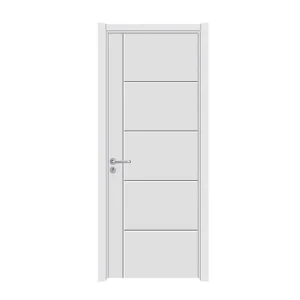
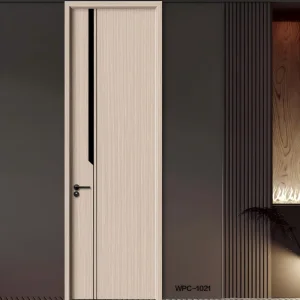
Engineered to resist coastal dampness, moisture cycles, and heavy structural wear.
Why traditional structural materials fail in the Mid-Atlantic climate, and how WPC engineering delivers long-term durability.
The Philadelphia metropolitan area exhibits a unique architectural landscape that presents distinct physical challenges for construction materials. Spanning from historic brick rowhouses in South Philadelphia and Old City to mid-rise multi-family complexes in Northern Liberties and the booming student housing high-rises of University City, building envelope conditions vary significantly. Key environmental challenges in this region include:
Traditional interior doors constructed from Medium-Density Fiberboard (MDF) or Solid Wood rely heavily on surface laminates or paint seals to exclude moisture. Once this exterior seal is breached—whether through hardware installation, lock routing, or standard wear—the underlying cellulosic fibers absorb water through capillary action. This causes irreversible thickness swelling, core crumbling, and latch misalignment. Wood-Plastic Composite (WPC) solves these structural issues by blending wood fibers with thermoplastic polymers to create a material that is naturally resistant to moisture.
A comparative look at the chemical stability, physical properties, and performance limits of WPC doors.
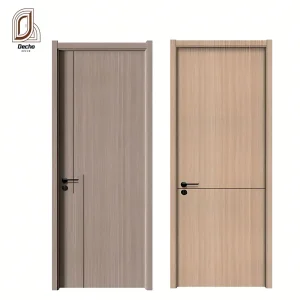
Our Wood-Plastic Composite (WPC) doors are manufactured through a high-pressure, high-temperature co-extrusion process. We blend finely milled hardwood flour (60%) with high-grade Polyvinyl Chloride (PVC) resins (30%) and specialized chemical additives (10%), including UV stabilizers, coupling agents, lubricants, and flame retardants. This formulation creates a solid, homogenous polymer matrix that prevents moisture penetration.
| Performance Metric | Larsom WPC Door Systems | Standard MDF / HDF Doors | Solid Timber Doors |
|---|---|---|---|
| Water Absorption Rate (ASTM D570) | < 0.5% (Non-swelling) | 12% - 25% (High Swelling) | 8% - 15% (Dimensional Warp) |
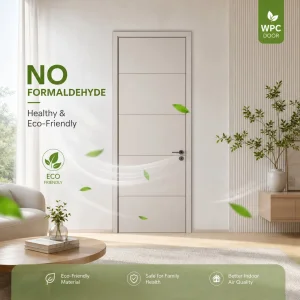
| Formaldehyde Emission Standard | E0 Grade (Zero Emission / Non-toxic) | E1 / E2 (Phenolic Resin Off-gassing) | Natural (Varies by finish/glue) |
| Fungal & Termite Resistance | 100% Immune (No organic decay) | Highly Susceptible (Degrades rapidly) | Susceptible (Requires chemical treat) |
| Flame Spread Rating (ASTM E84) | Class A / Class B1 Self-extinguishing | Class C (Rapid propagation) | Class C (Combustible) |
| Acoustic Isolation Loss (STC Rating) | 38 dB - 42 dB (High density hollow core) | 28 dB - 32 dB (Hollow core) | 32 dB - 35 dB (Solid) |
By replacing cellular spaces with waterproof thermoplastics, our WPC doors achieve long-term dimensional stability. They resist rot, decay, and warping, ensuring that the doors fit tightly in their frames even in high-moisture environments. This makes them ideal for bathroom and interior applications where traditional doors fail.
Advanced Chinese manufacturing facilities delivering reliable production capacity and high product quality.
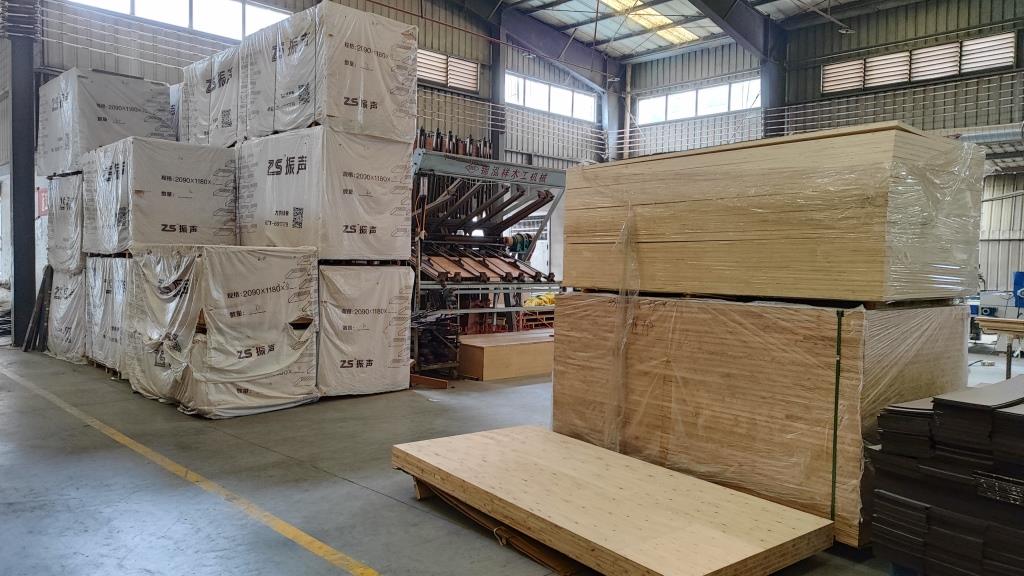
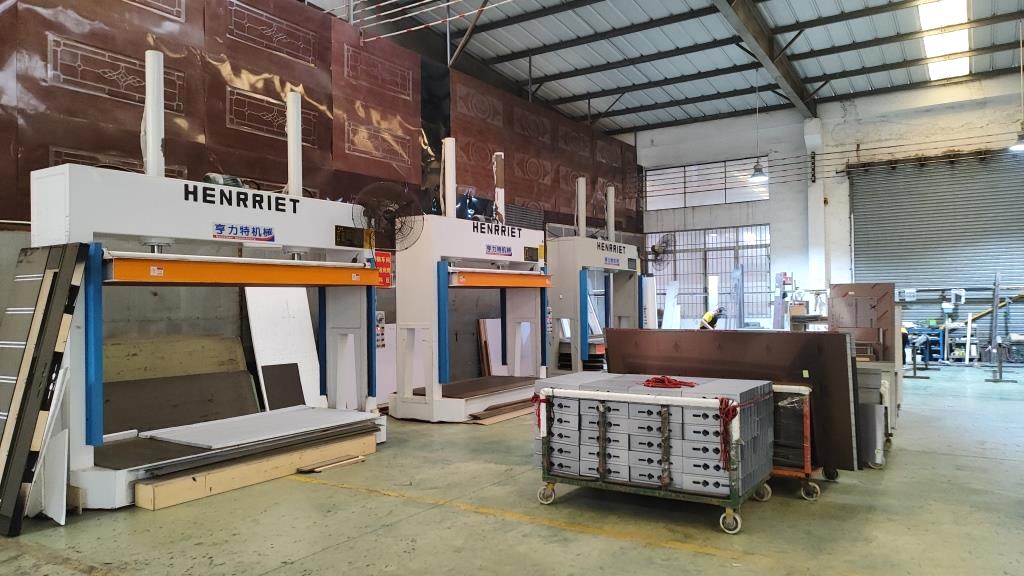
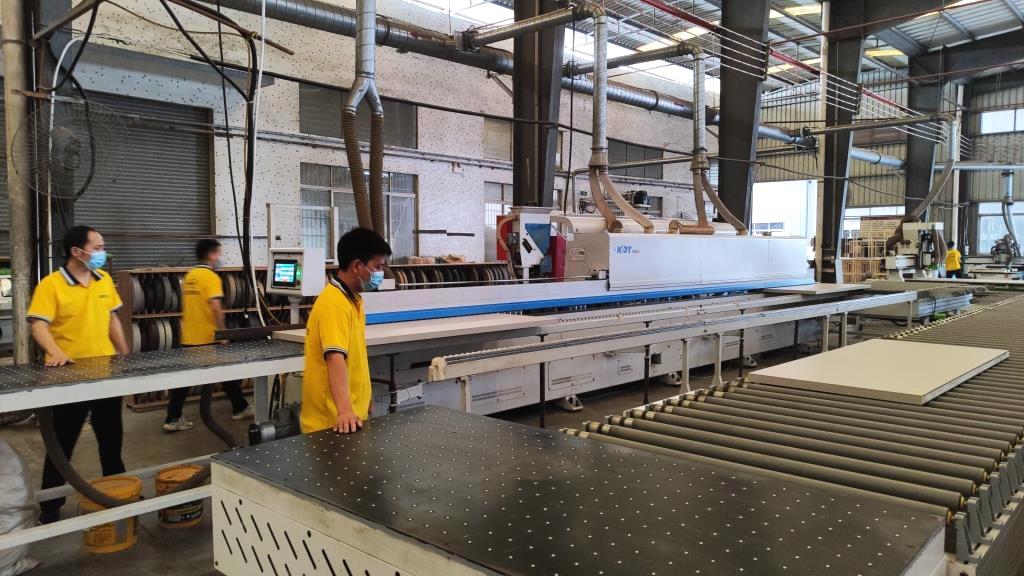
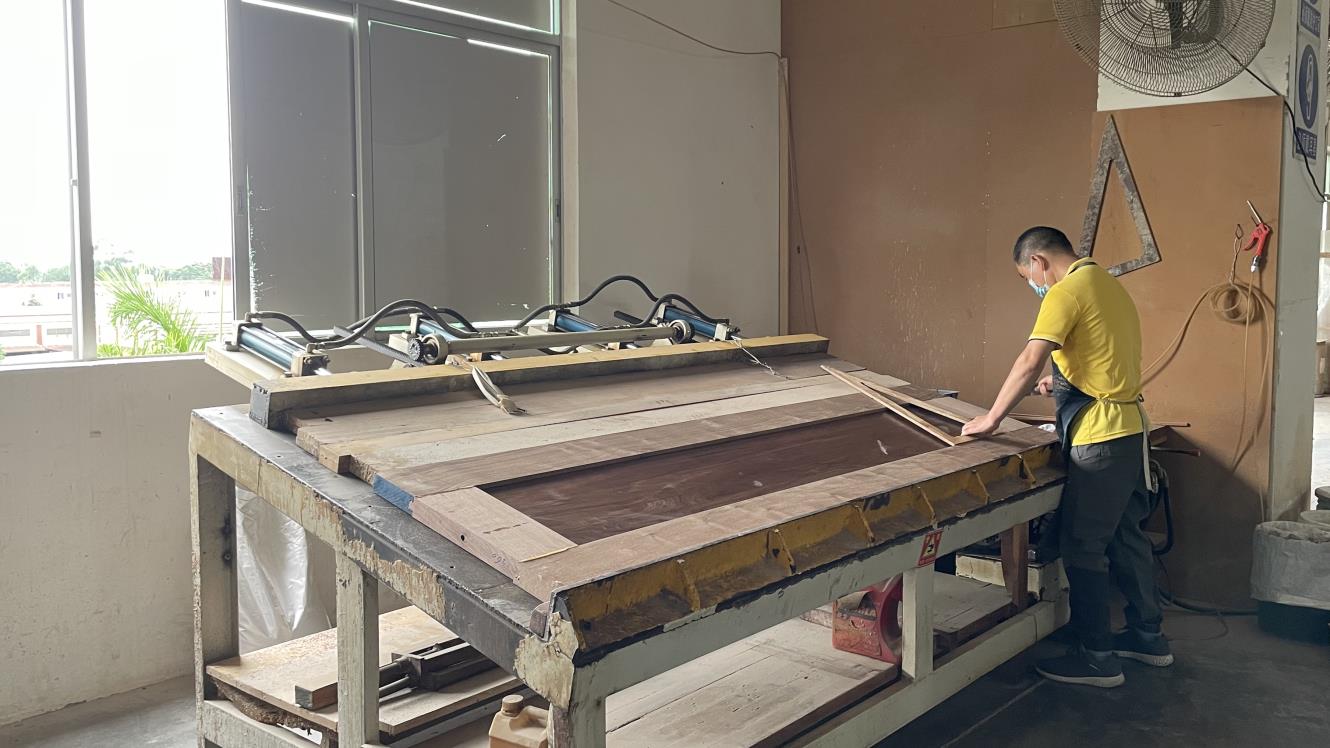
Zhejiang Larsom Door Co., Ltd. is an established industrial manufacturer specializing in the research, development, and high-volume export of security doors, armored doors, steel-wood doors, and specialized Wood-Plastic Composite (WPC) door systems.
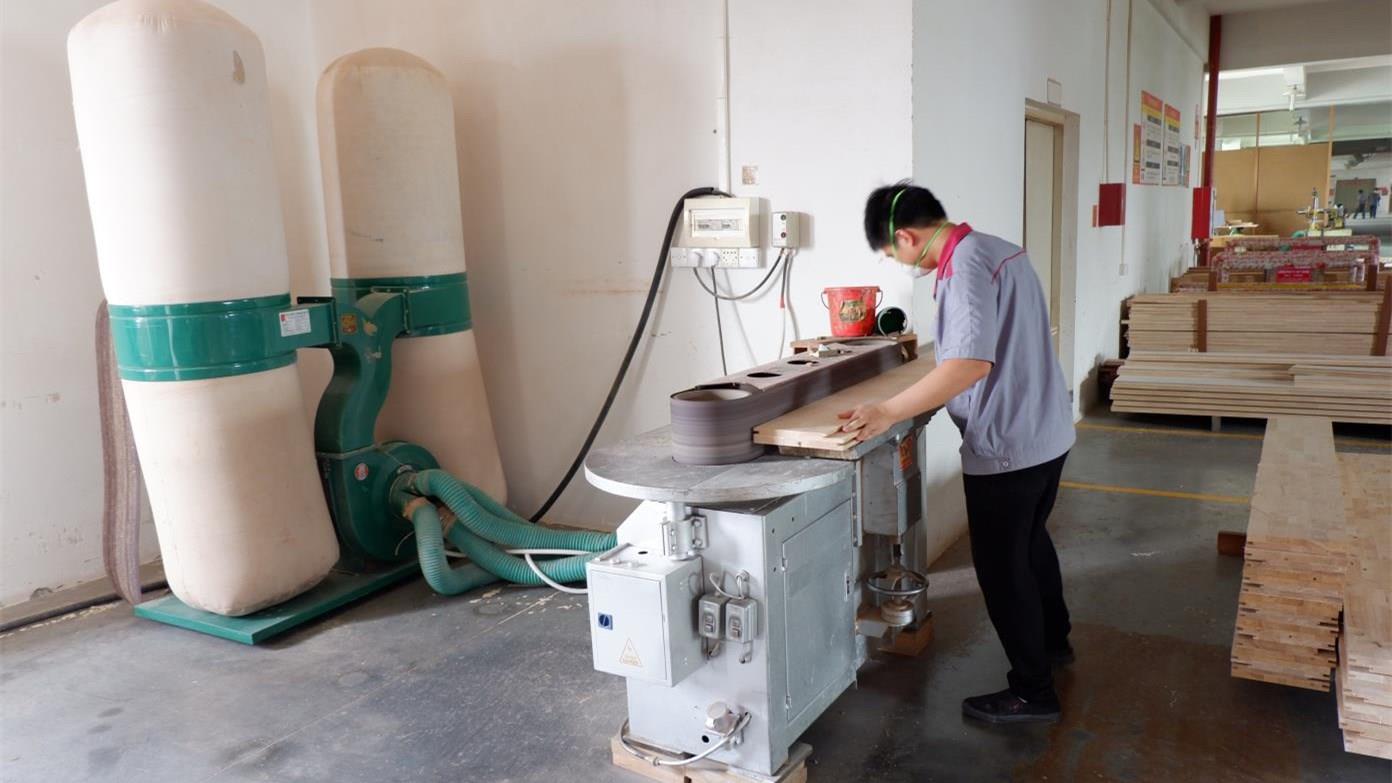
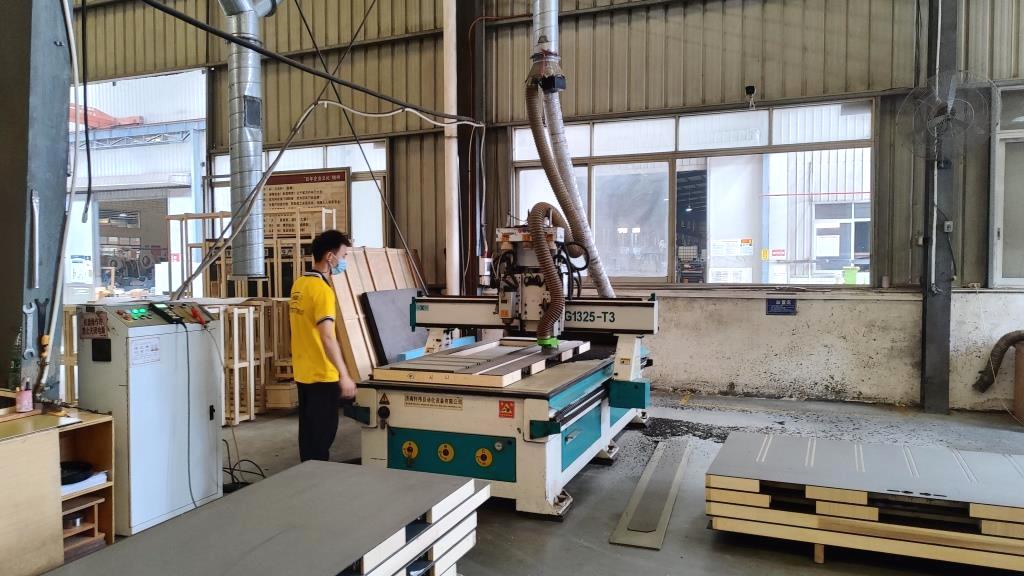
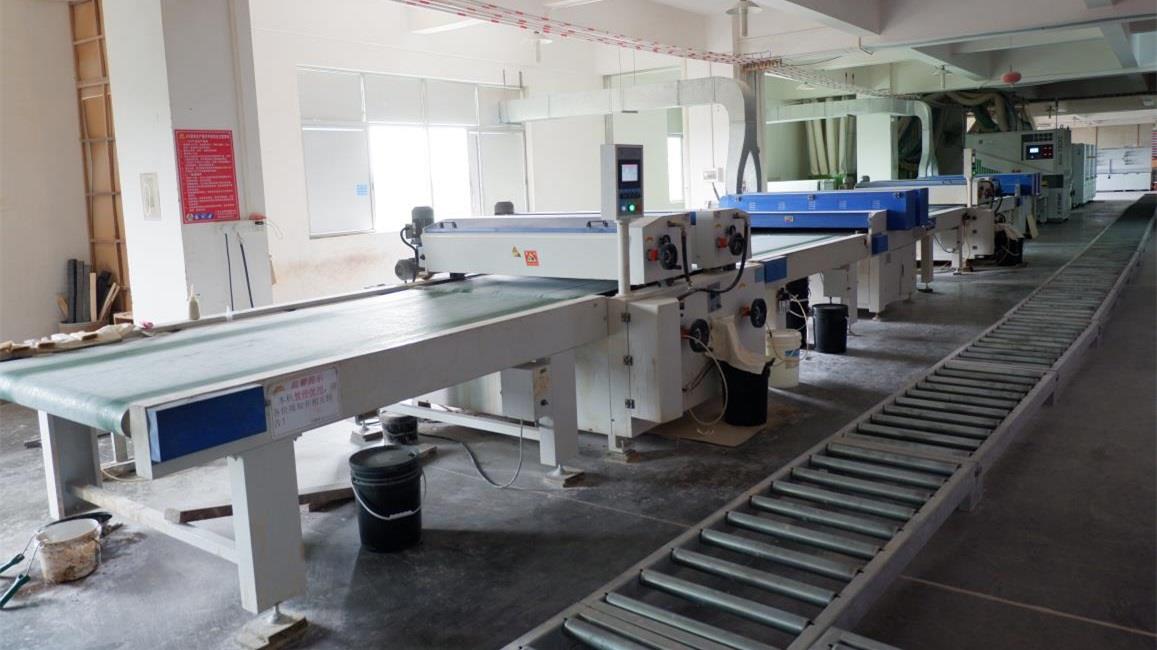
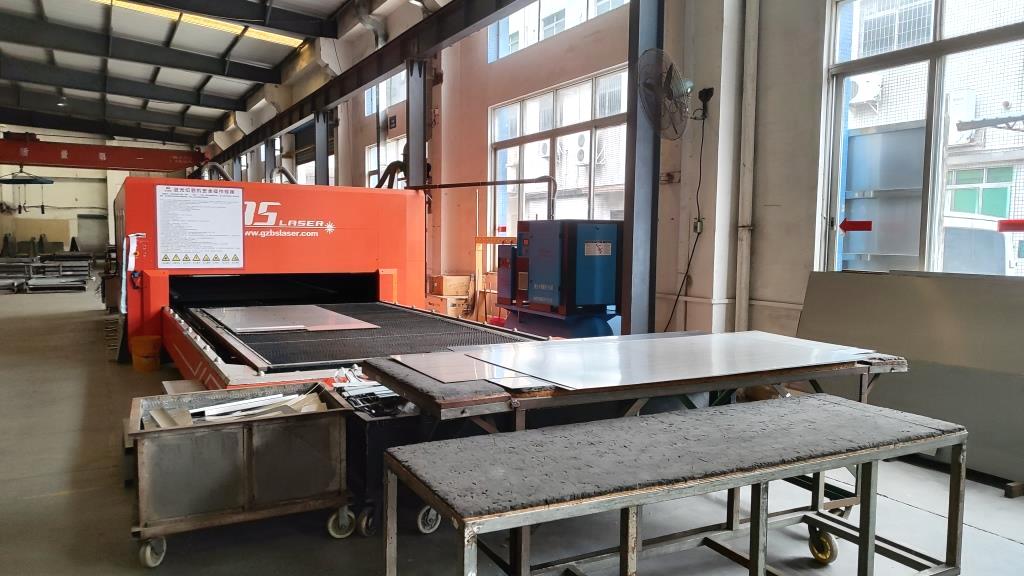
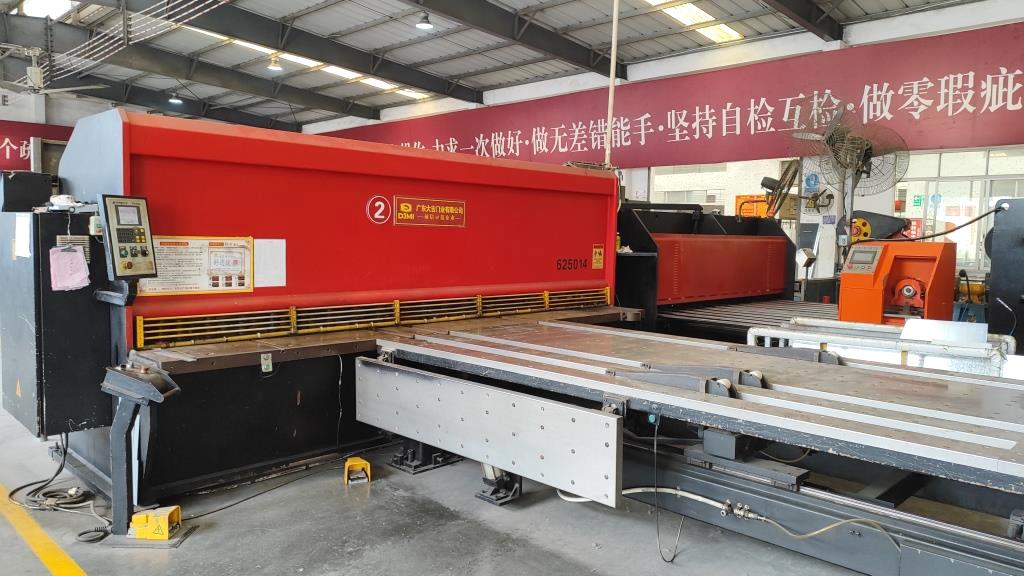
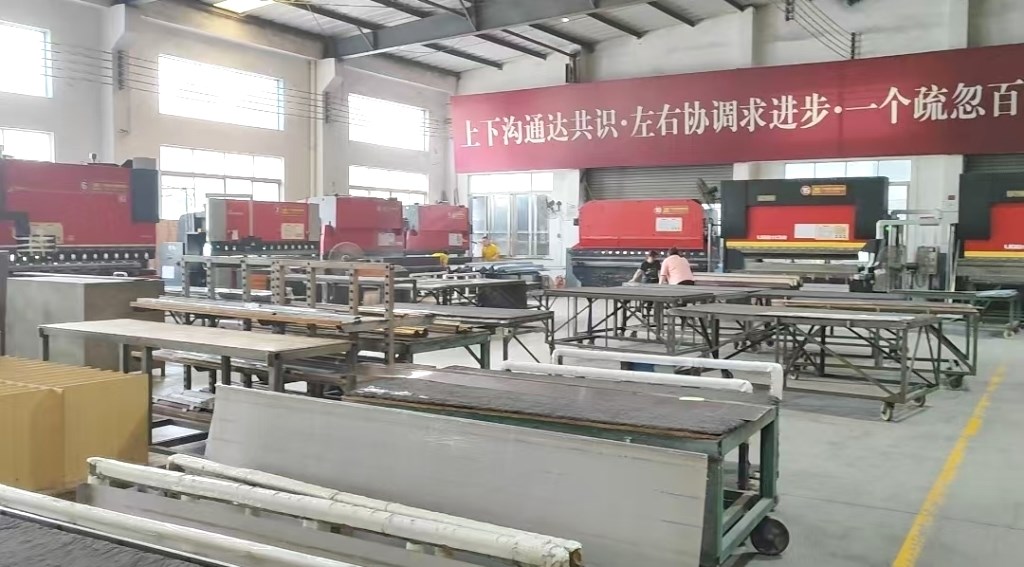
Operating a manufacturing facility that covers over 16,000 square meters in China's industrial heartland, Larsom Door maintains a dedicated workforce of over 160 technicians and assembly specialists. By utilizing automated production systems, our daily output capacity exceeds 200 sets of premium doors, allowing us to quickly fulfill large-scale commercial contracts and custom residential orders.
To ensure high quality, Larsom Door utilizes precision machinery at every stage of production, including CNC laser cutting systems, automatic bending and welding systems, high-speed turret punching, automatic surface sanding, and UV-curing lines. These technologies enable us to meet international architectural standards and ship our products to clients in over 130 countries.
Tailored solutions designed to meet the strict demands of regional developers, municipal codes, and local building conditions.
In high-density apartment complexes in areas like Center City and Northern Liberties, bathroom doors experience frequent use and moisture exposure. WPC doors resist swelling, reducing maintenance costs for property managers.
Historic brick rowhouses in South and West Philadelphia often lack vapor barriers, leading to shifting framing and rising dampness. Our custom-sized WPC doors maintain their structural shape, preventing sticking or jamming.
For high-traffic institutional settings like clinics, research spaces, and dormitories in University City, WPC doors provide excellent sanitization resistance, standing up to harsh chemical cleaning agents without surface degradation.
Analyzing key technology shifts and material standards driving modern composite door adoption.
Traditional composite doors relied on basic surface glues, which could peel under extreme moisture. Modern manufacturing uses co-extrusion technology, bonding an outer protective layer directly to the core under high heat. This creates a highly durable surface that resists scratches, dents, and water penetration.
As green building standards gain traction across the Mid-Atlantic region, construction materials must meet strict environmental goals. Our WPC doors utilize recycled wood products and scrap thermoplastics, reducing waste. They emit zero formaldehyde, helping projects earn valuable credits under LEED v4 (Leadership in Energy and Environmental Design).
Modern building designs demand high performance from interior doors. By using multi-chambered profiles and fire-retardant polymer formulations, WPC doors achieve both strong acoustic insulation (STC ratings up to 42 dB) and certified fire ratings, helping builders meet local safety codes.
Ensuring smooth import, transit, and structural compliance for commercial contractors.
Importing large-scale building materials requires strict adherence to local building codes and complex shipping logistics. Larsom Door provides comprehensive support for North American builders:
Key technical answers regarding structural properties, installation, and importing WPC doors.
Unlike MDF, which uses water-soluble binders and organic fibers that swell when exposed to moisture, WPC features a fully encapsulated polymer-wood matrix. It absorbs less than 0.5% water, ensuring it will not warp, swell, or delaminate even if submerged.
Yes, our doors can be formulated with flame-retardant polymers to achieve Class B1 self-extinguishing ratings under international and US testing standards (ASTM E84). This makes them compliant with multi-family residential fire partition requirements.
Yes. WPC behaves similarly to natural hardwood. Contractors can cut, plane, drill, and rout the material using standard woodworking tools. However, we recommend specifying custom dimensions during the factory ordering process to ensure a perfect fit.
We maintain strict quality control at every stage of production. From raw material testing to automated CNC routing, splicing, edge-sanding, and final inspection, our facility ensures that every door meets international standards.
Production typically takes 20 to 30 days depending on customization. Ocean transit from Ningbo or Shanghai to the Port of Philadelphia or Port of NY/NJ usually takes 30 to 35 days, resulting in a total lead time of about 50 to 65 days from order placement to site delivery.
Browse our complete range of certified waterproof and soundproof interior doors for multi-family homes, hotels, and apartments.
Get direct factory pricing, certified laboratory test reports, and custom structural drawings for your construction projects.
Send Inquiry Now Larsom Door