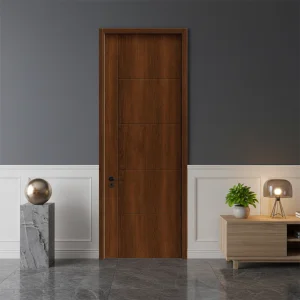
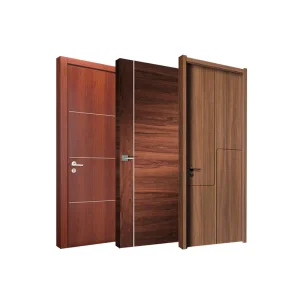
Engineered engineered door structures blending aesthetic sophistication with climatic resilience, designed for domestic and commercial applications.
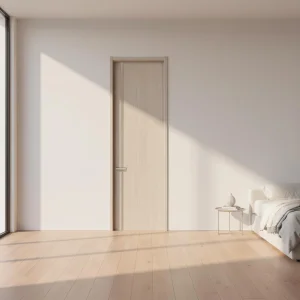
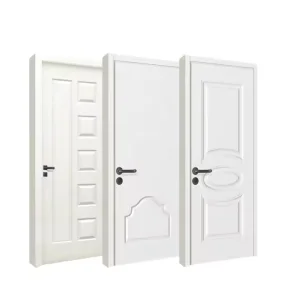
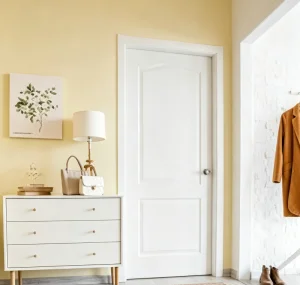
In Northern Italy, and specifically within the Verona metropolitan area, building requirements demand a balance between history and high performance. Known for its climate that ranges from humid winter fog off the Adige River to warm Mediterranean summers, Verona presents unique challenges for interior doors. Traditional solid timber and MDF options are prone to structural changes like warping, paint peeling, and moisture retention. WPC (Wood-Plastic Composite) doors finished with high-durability PVC veneers provide a stable alternative.
As the Veneto region adapts to the European Union's Energy Performance of Buildings Directive (EPBD) and green building practices, construction materials must meet strict performance standards. Real estate developers, restoration firms, and commercial general contractors are moving away from traditional wood products. They are adopting advanced, zero-formaldehyde, and recyclable polymer-wood matrices that offer the realistic look of natural grain without the high maintenance requirements.
Verona's commercial footprint is driven by hospitality (agro-tourism, historic boutique hotels, and urban hospitality renovations) alongside residential developments. In these environments, interior doors are exposed to high traffic, frequent cleaning, and changing humidity levels. A standard hollow-core door can quickly show wear, compromise privacy, and lose its alignment.
Our PVC-veneered WPC doors solve these issues by combining the density of wood fiber with the durability of polymers. Through thermal fusion bonding, the PVC veneer is integrated with the WPC core. This creates a surface resistant to moisture, physical impacts, and cleaning agents. The result is a door that maintains its structure and appearance over time, reducing replacement costs for developers and facility managers.
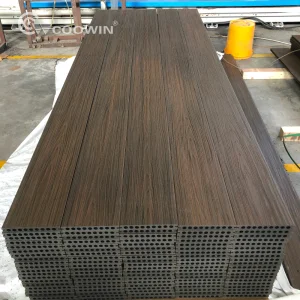
Our WPC doors are engineered using a precise blend of 60% wood fiber, 30% PVC resin, and 10% performance additives. These components are processed using advanced extrusion technology to form a high-density, hollow-chamber structural core. The chemical profile of the core provides key advantages:
A leading manufacturer of high-performance security and interior door systems, serving markets across 130 countries, including the European Union.
Zhejiang Larsom Door Co., Ltd. is an established industrial manufacturer specializing in the research, development, production, and global export of high-specification security doors, armored doors, steel-wood doors, and specialized polymer-based entrance door solutions.
Located in Zhejiang's advanced industrial zone, the company operates a modern facility spanning over 16,000 square meters, staffed by a team of over 160 skilled employees. With advanced production management and efficient manufacturing processes, our daily output exceeds 200 sets of premium doors, allowing us to reliably support large-scale commercial developments and custom residential projects alike.
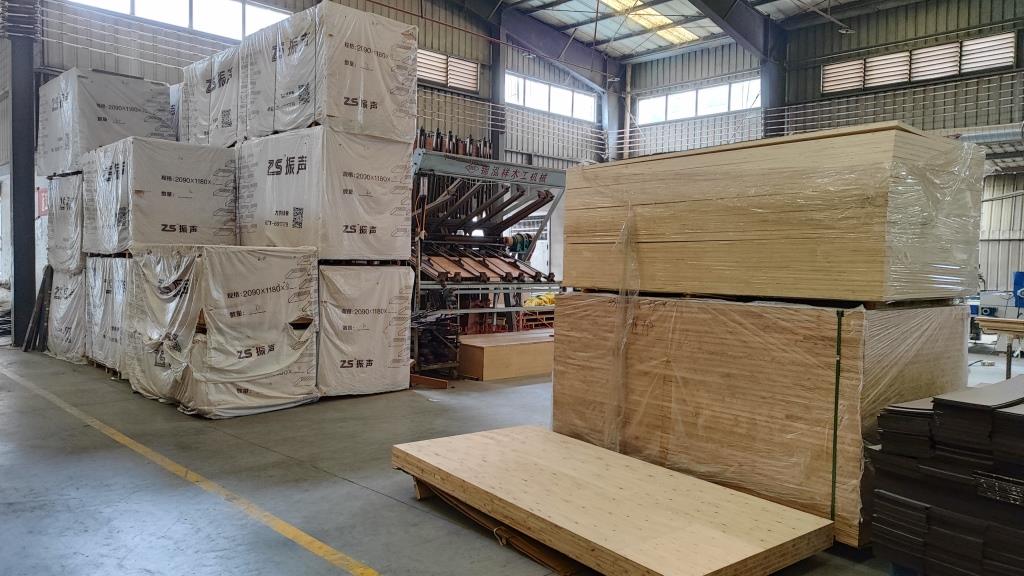
Zhejiang Larsom Door Co., Ltd. modern manufacturing facility and automated warehouse logistics.
To ensure high product quality and manufacturing efficiency, Larsom Door has invested in advanced automated machinery. Our equipment setup includes high-precision CNC laser cutting systems, CNC bending machines, automatic robotic welding lines, high-speed turret punching units, automatic calibrating and sanding machines, and modern UV-curing powder coating lines. These tools, combined with a comprehensive quality control workflow, ensure that every door meets international structural and environmental standards.
Quality is central to our production process. Larsom Door maintains rigorous quality assurance at every stage, from testing incoming raw materials to checking the finished product before packaging. Our workflow utilizes a series of structured manufacturing phases:
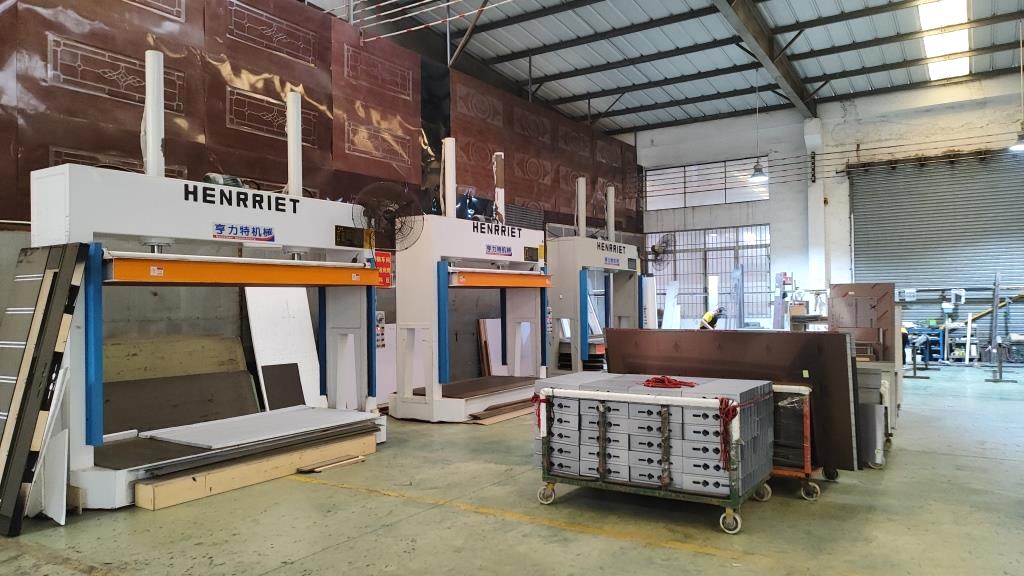
Automated high-pressure pressing of composite plates ensures uniform density.
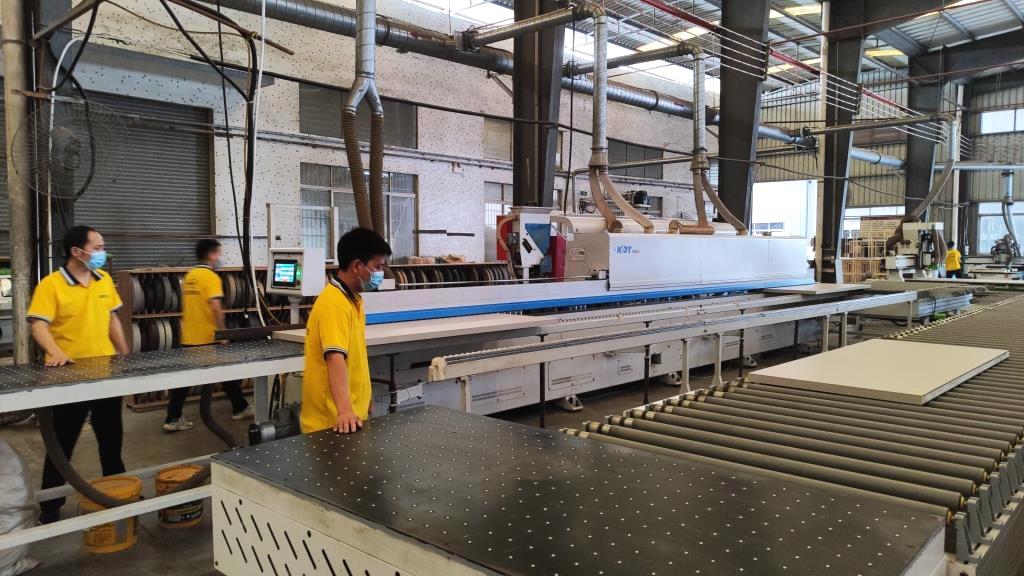
Precise structural alignment and splicing of internal components.
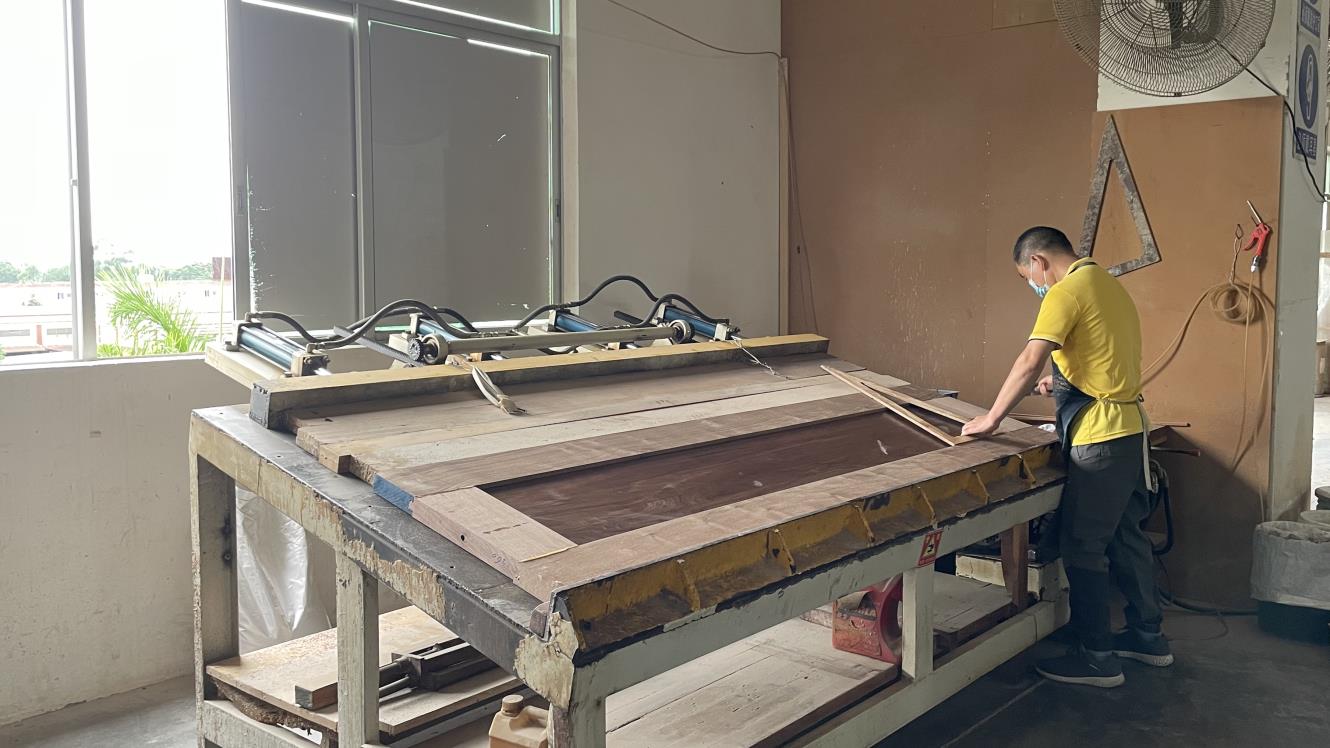
Securing joints and composite panels for optimal structural integrity.
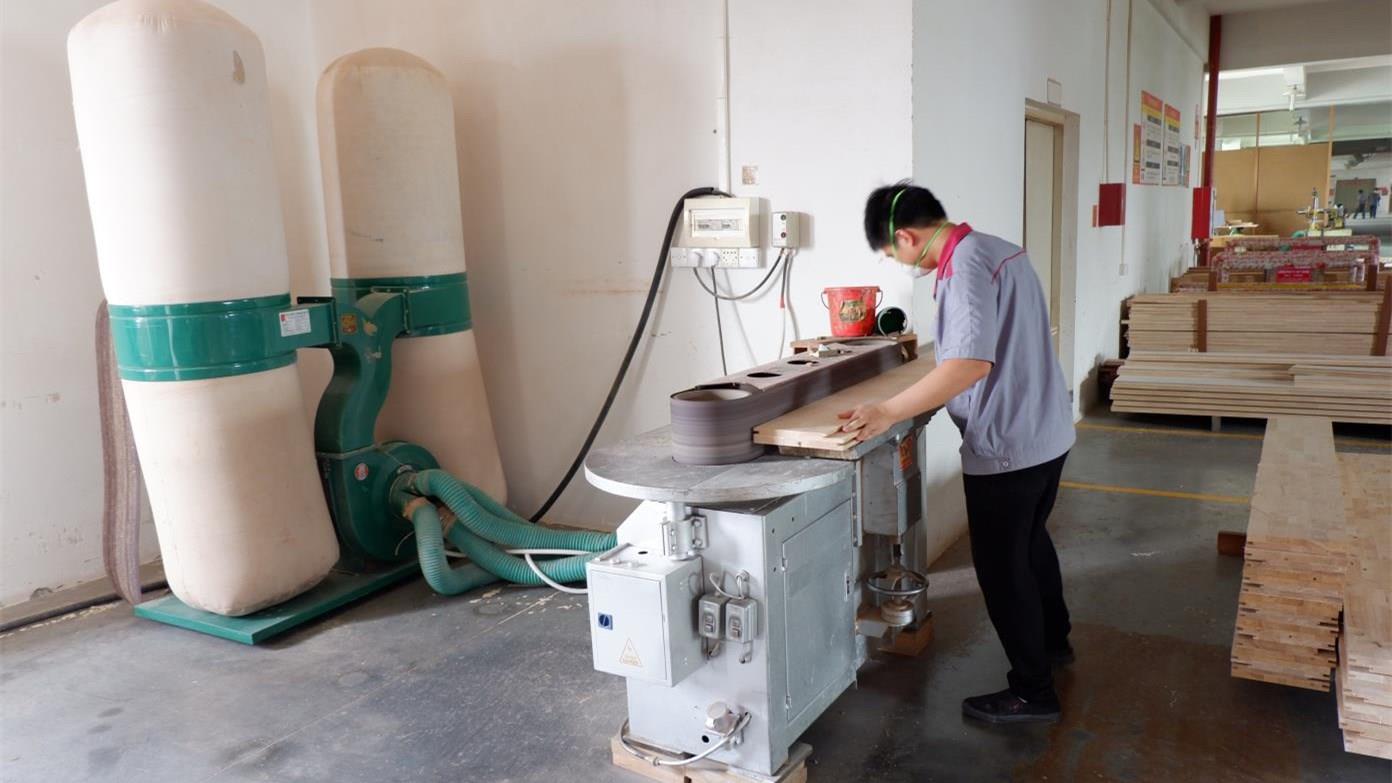
Automated edge sanding to prepare the surface for lamination.
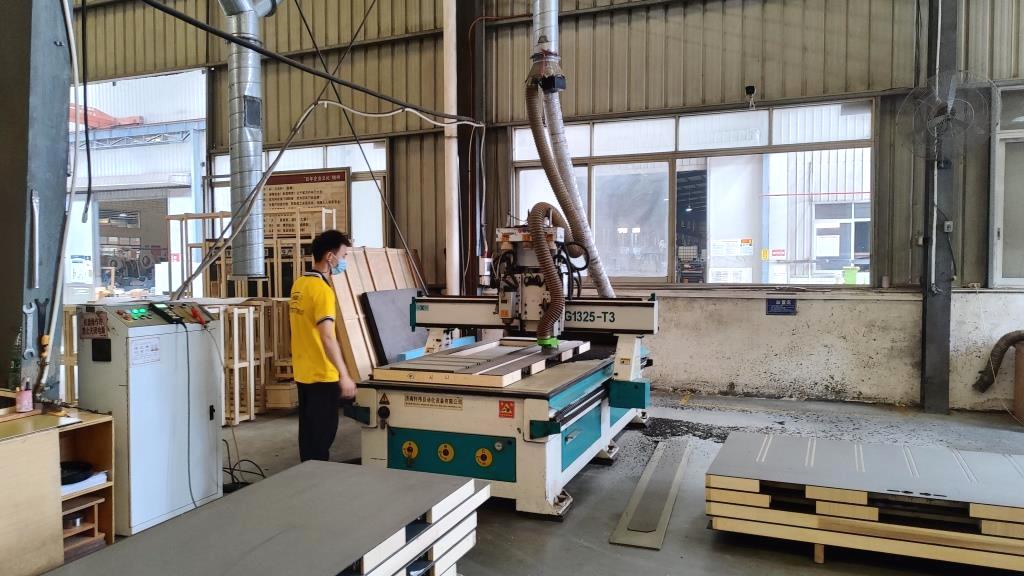
High-precision engraving for custom patterns and hardware mortises.
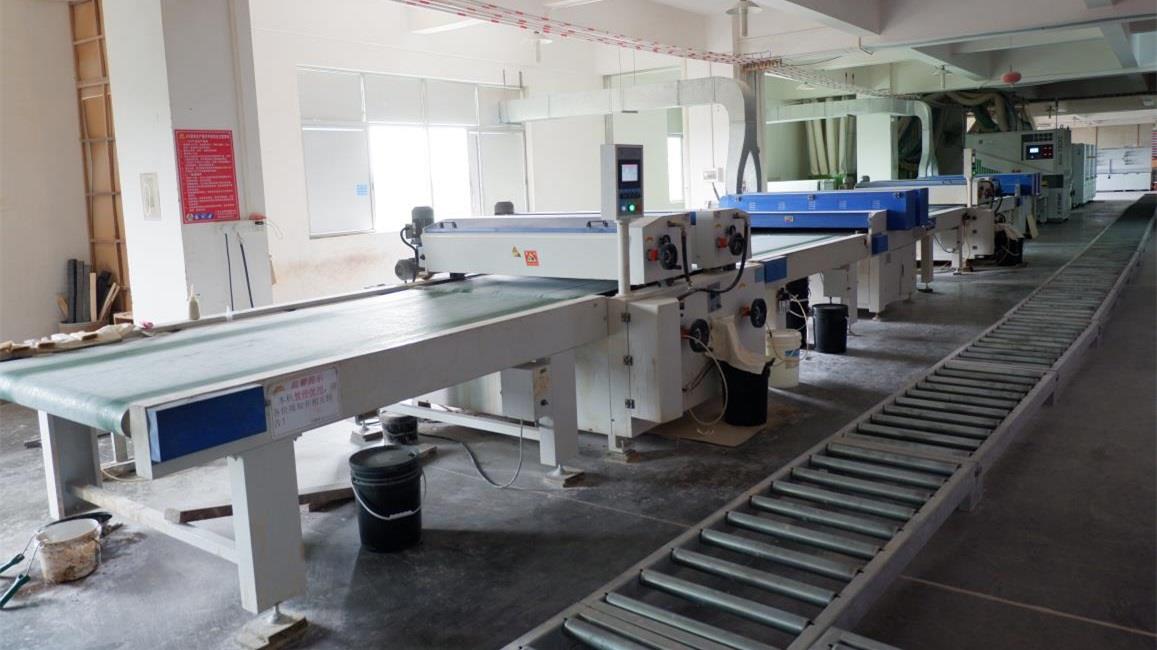
Applies a protective, scratch-resistant coating under UV drying lamps.
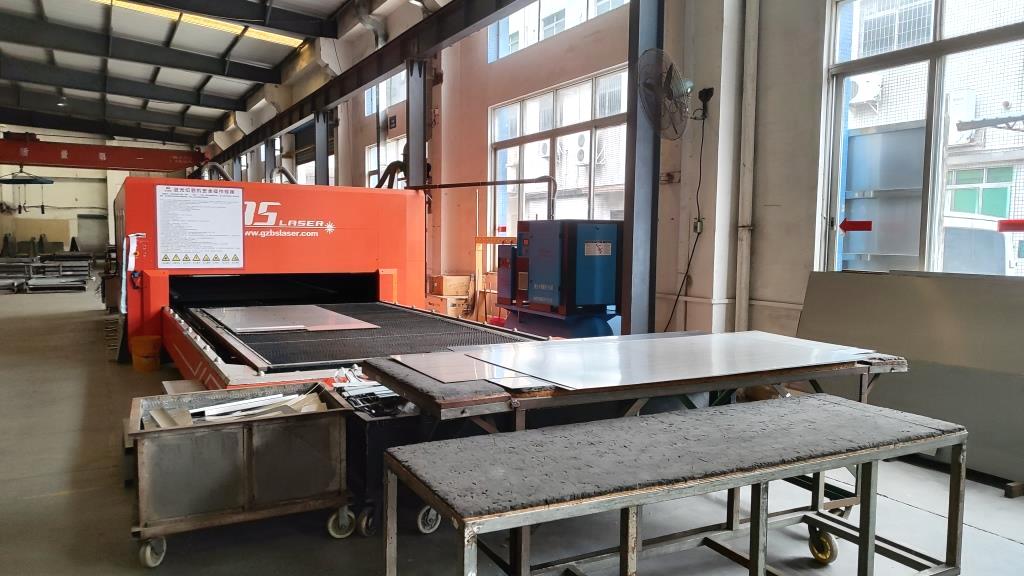
Sizing materials with automated shearing machines.
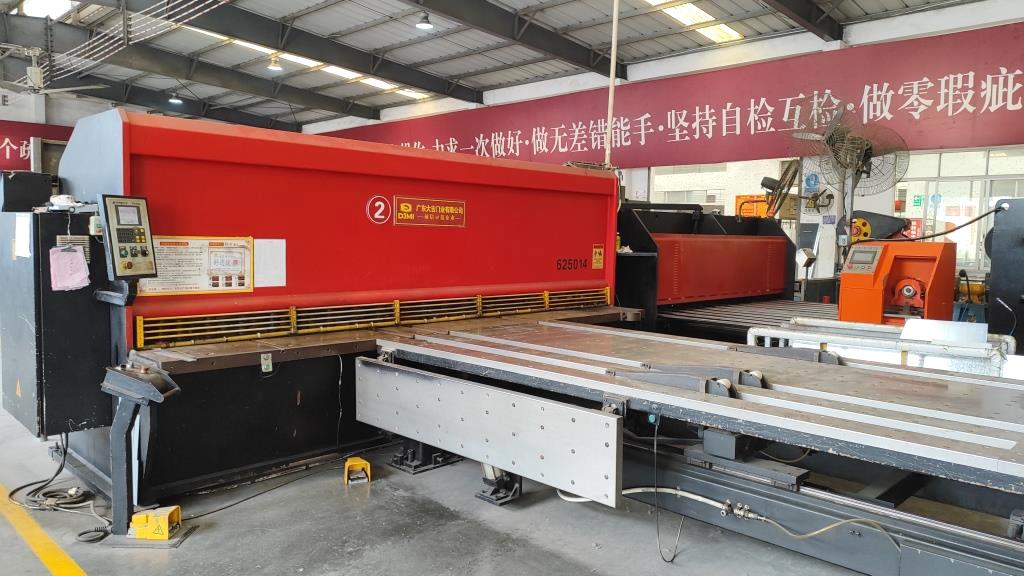
High-speed metal plate cutting for reinforced frames and armor elements.
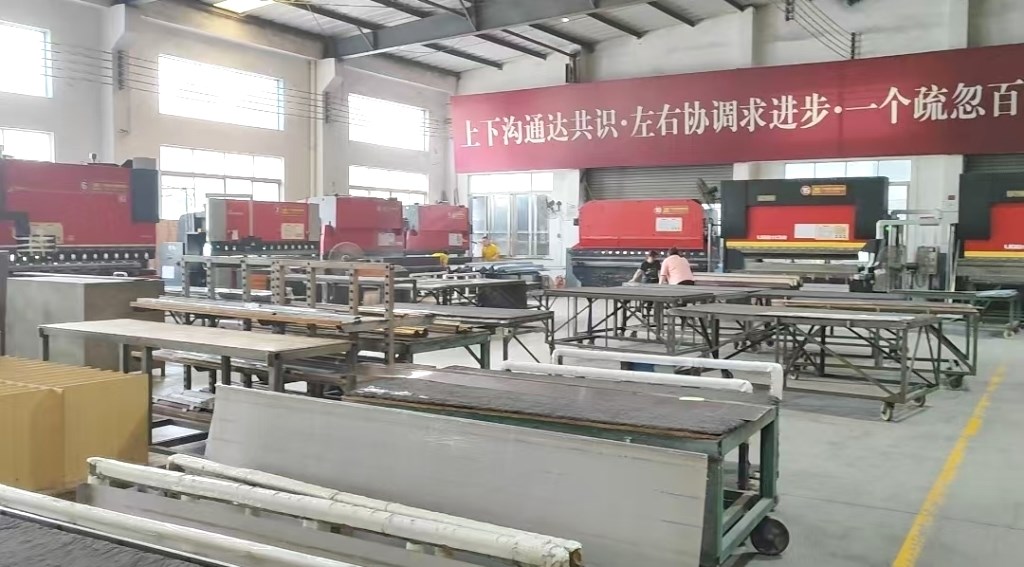
Precision bending of steel sheets for door sub-frames and security elements.
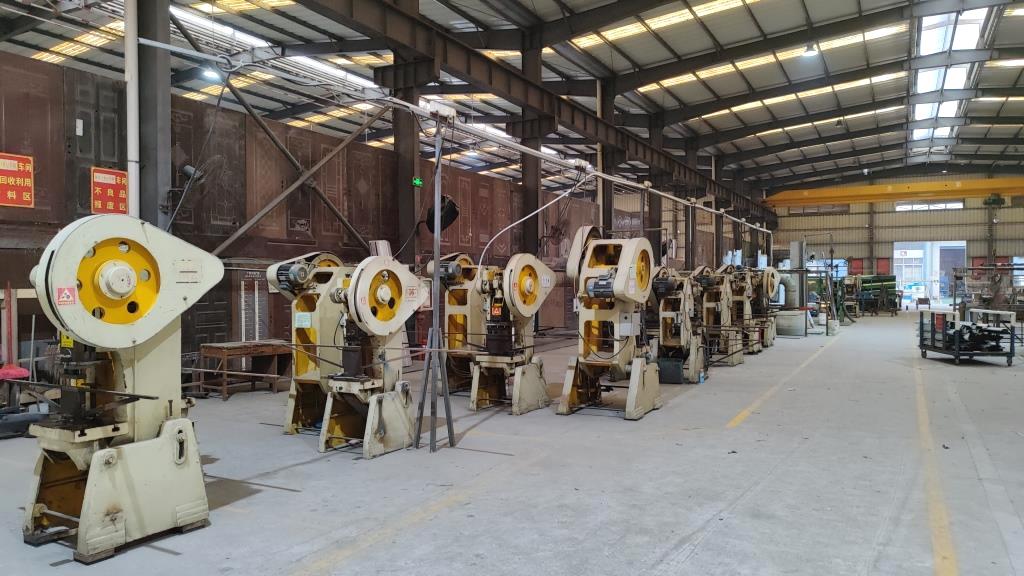
Clean punching of mounting points, lock sets, and structural holes.
Procuring construction components for the European market, particularly in Italy, requires clear compliance with local regulations. Zhejiang Larsom Door Co., Ltd. provides comprehensive manufacturing support designed for import agents, distributors, and real estate developers in Verona. We offer customizable specifications, including frame widths, casing profiles, acoustic dampening configurations, and custom finishes matching regional architectural palettes.
Our factory manages transport logistics directly to European hubs. Through optimization of container space and export-grade protective packaging, we reduce damage rates to near zero during maritime shipping and road transport to Verona.
| Performance Characteristic | WPC Standard Value | Test Standard Compliance | |
|---|---|---|---|
| Density Value | ≥ 1.05 g/cm³ | GB/T 17657-2013 | Ensures mechanical load capability |
| Flexural Strength | ≥ 25 MPa | EN 310 | Resists bowing under pressure |
| Thickness Swelling (24hr Immersion) | < 0.5% | EN 317 | Demonstrates waterproof properties |
| Acoustic Damping Index | 35dB - 42dB | ISO 10140-2 | Reduces sound transmission between rooms |
| Fire Resistance (Optional) | Class B-s1, d0 | EN 13501-1 | Meets European building safety codes |
For import into the Italian construction market, doors must meet European product standards. Our factory processes align with standard manufacturing requirements:
CE Marking: Our products comply with EN 14351-2 standards for interior doors, ensuring conformity with European health, safety, and environmental regulations. Larsom WPC doors also meet VOC Class A+ standards, helping projects qualify for BREEAM and LEED certifications in Northern Italy.
Zhejiang Larsom Door Co., Ltd. is investing in next-generation material research to support sustainable construction. Our development roadmap focuses on reducing reliance on virgin polymers and increasing recycled wood content in our composite matrices.
In addition, we are testing plant-based bio-resins as alternatives to traditional plastics. These efforts support the European Union's goal of a carbon-neutral circular economy by 2050, helping our partners meet evolving regulatory and environmental standards.
Find answers to common questions about engineering, customization, logistics, and installation.
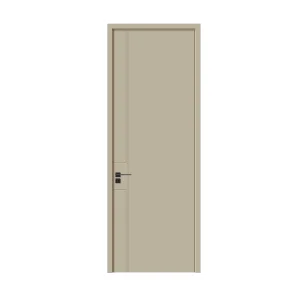
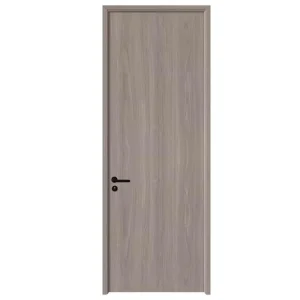
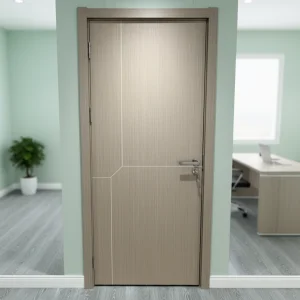
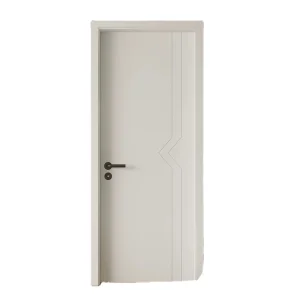
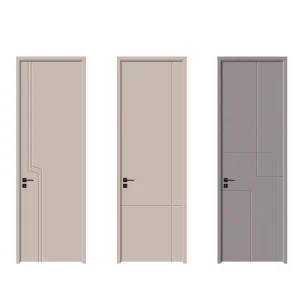
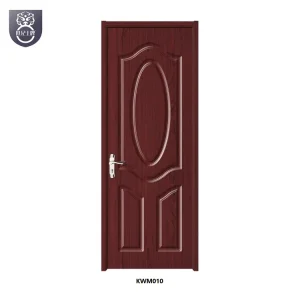
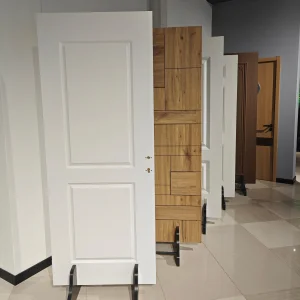
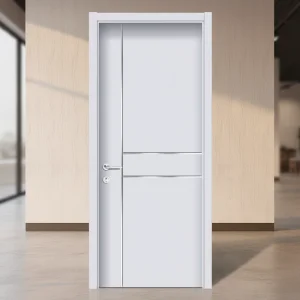
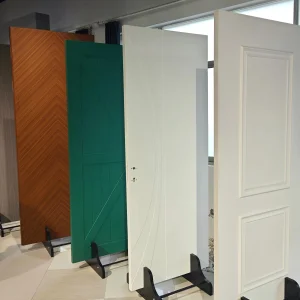
Browse our full range of interior and project doors, featuring water-resistant cores, acoustic design, and customizable finishes.
 Larsom Door