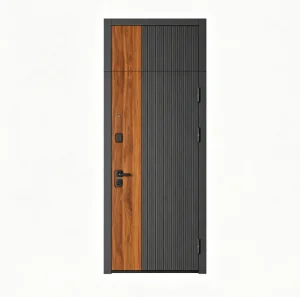
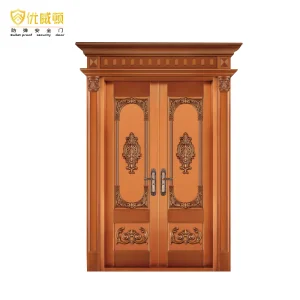
Engineered flush door designs and copper security entrances optimized for high-end residential developments in Osaka and Kobe.
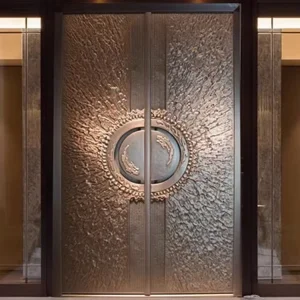
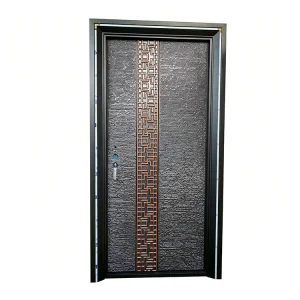
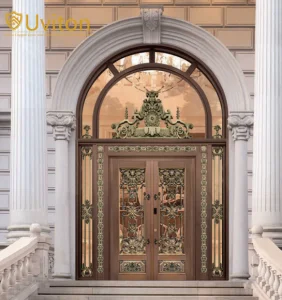
As Japan's second-largest financial metropolis and the gateway to the Kansai region, Osaka is undergoing rapid urban redevelopment. Projects surrounding the Osaka-Kansai Expo 2025 and the modernization of districts like Umeda, Namba, and the Yumeshima waterfront have triggered an architectural evolution. Modern Osaka projects no longer rely solely on traditional wood design. Instead, they demand highly structured, weather-resistant, and high-security options—specifically Engineered Wooden Flush Doors and Copper Surface Armored Doors.
Osaka’s geography presents unique challenges for architectural components. Located along Osaka Bay, the local environment exposes buildings to high salt spray (marine corrosion class C4 to C5-M), elevated relative humidity during the summer, and sudden temperature variations. Traditional solid timber is highly susceptible to swelling, warping, and cracking under these conditions.
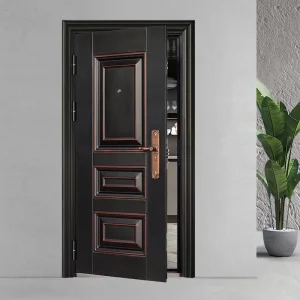
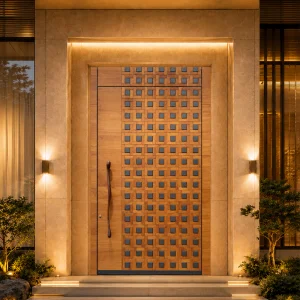
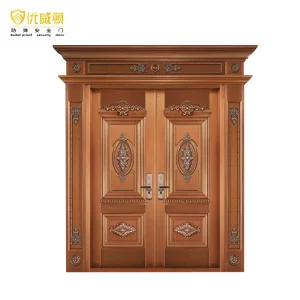
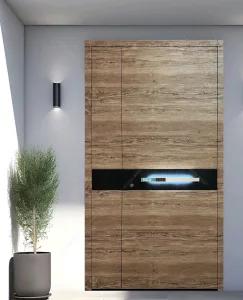
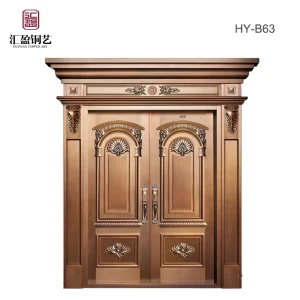
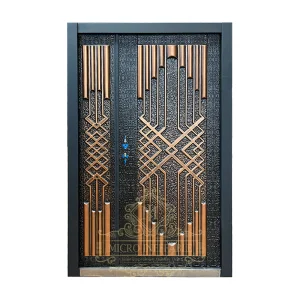
Our Engineered Wooden Flush Doors solve these climatic challenges through a multi-layered composite design. Using cross-laminated lumber cores paired with high-density moisture-resistant MDF stabilization sheets, these doors exhibit minimal expansion. For exterior facades, our Copper Surface Armored Doors provide long-lasting resilience. Copper naturally forms a protective patina layer that seals the underlying metal from salt-air corrosion, offering an elegant exterior that outlasts conventional painted steel or aluminum finishes.
While aluminum is standard in residential construction across Japan, copper armor offers crucial thermal and anti-corrosive advantages. Aluminum can experience galvanic corrosion when paired with steel lock assemblies in humid, salty air. Copper, combined with internal thermal break cores and multi-point lock systems, provides superior insulation against winter drafts and prevents condensation buildup inside the frame.
Exporting to the Osaka market requires compliance with strict building codes. All entry doors, particularly for multi-family complexes, must align with Japanese Industrial Standards (JIS) for fire safety, seismic performance, and wind pressure resistance:
As a leading developer and exporter of high-end armored security and engineered wooden doors, Zhejiang Larsom Door Co., Ltd. offers a reliable supply chain for Japanese contractors and global developers. With a modern 16,000 square meter factory and over 160 specialized workers, we ensure precise production, meeting the strict requirements of Kansai's commercial projects.
Our facilities are equipped with automated CNC machinery, including CNC laser cutters, high-speed turret punches, automated bending lines, and robotic welding stations. This automation ensures high dimensional accuracy for every component, keeping tolerances within 0.1 mm to guarantee straightforward installation in prefabricated Japanese building modules.
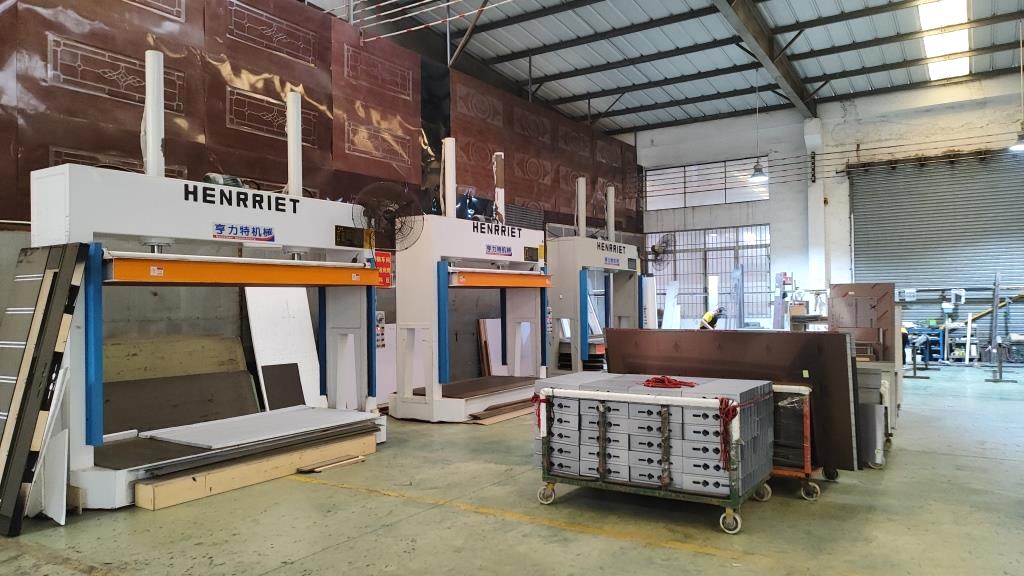
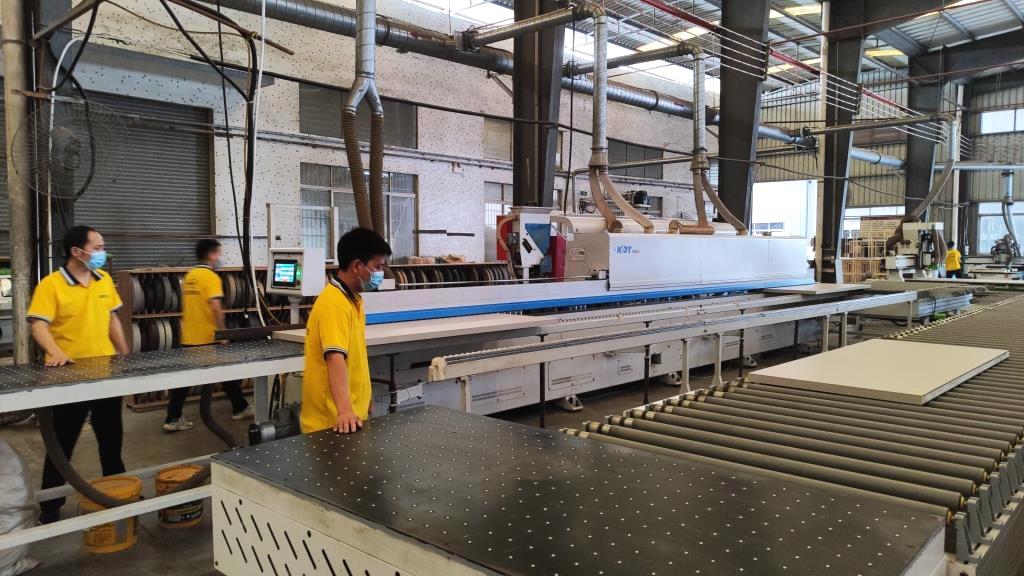
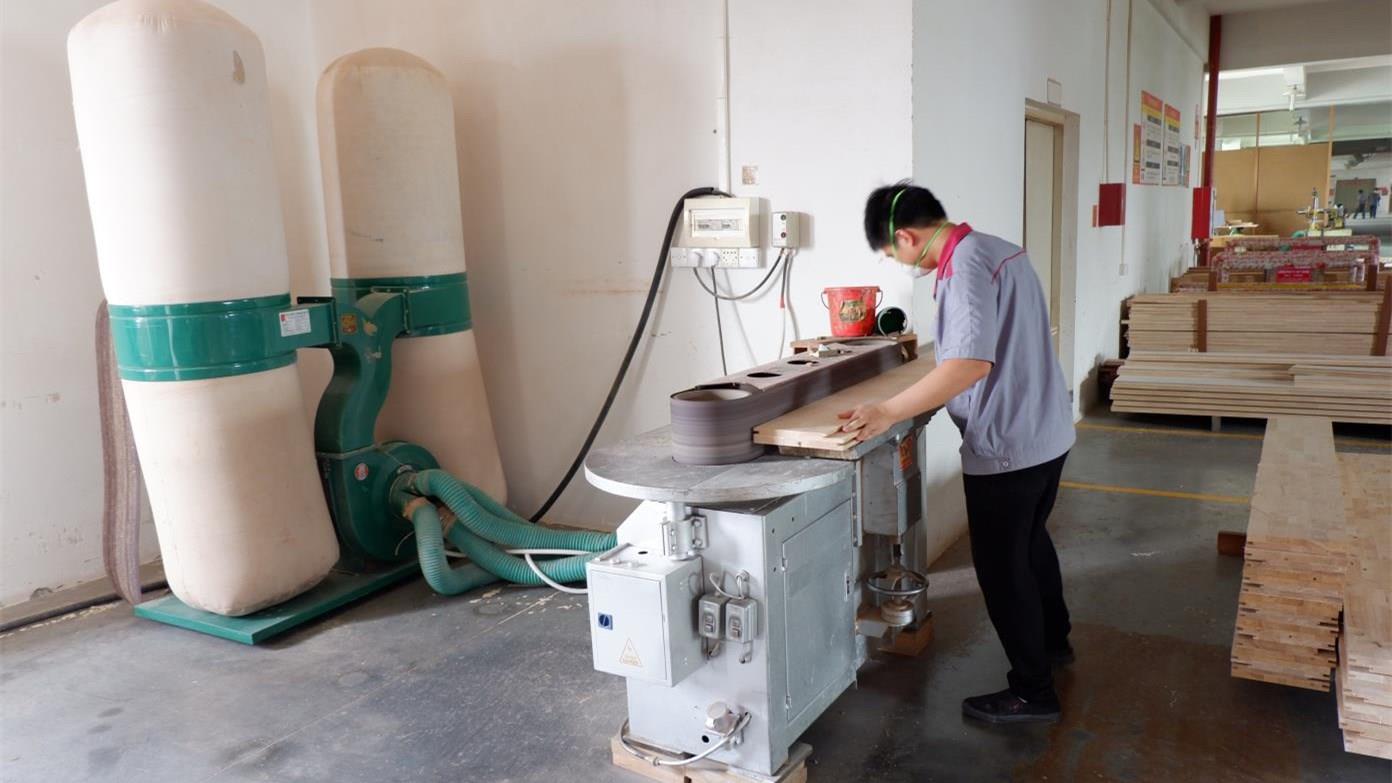
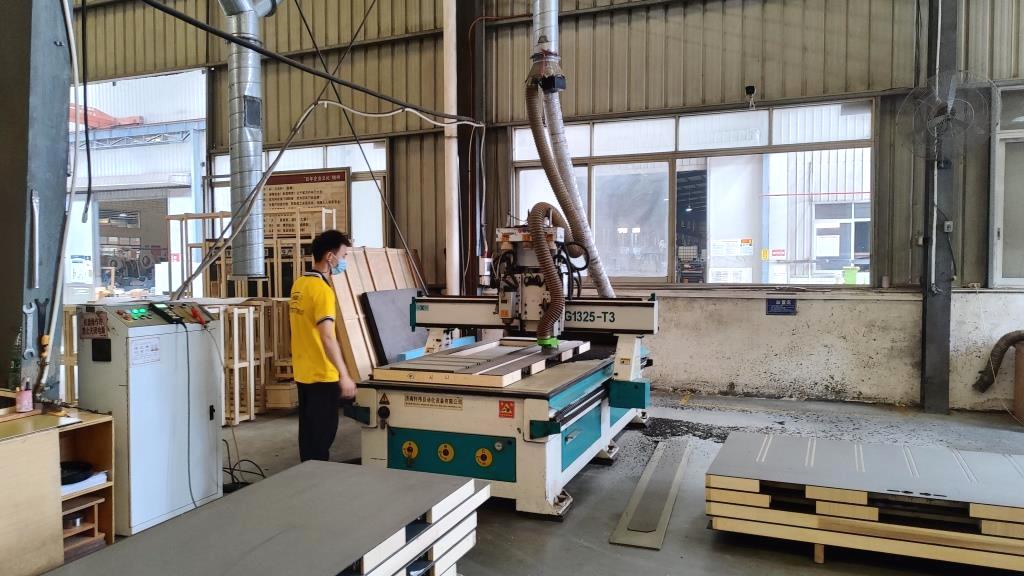
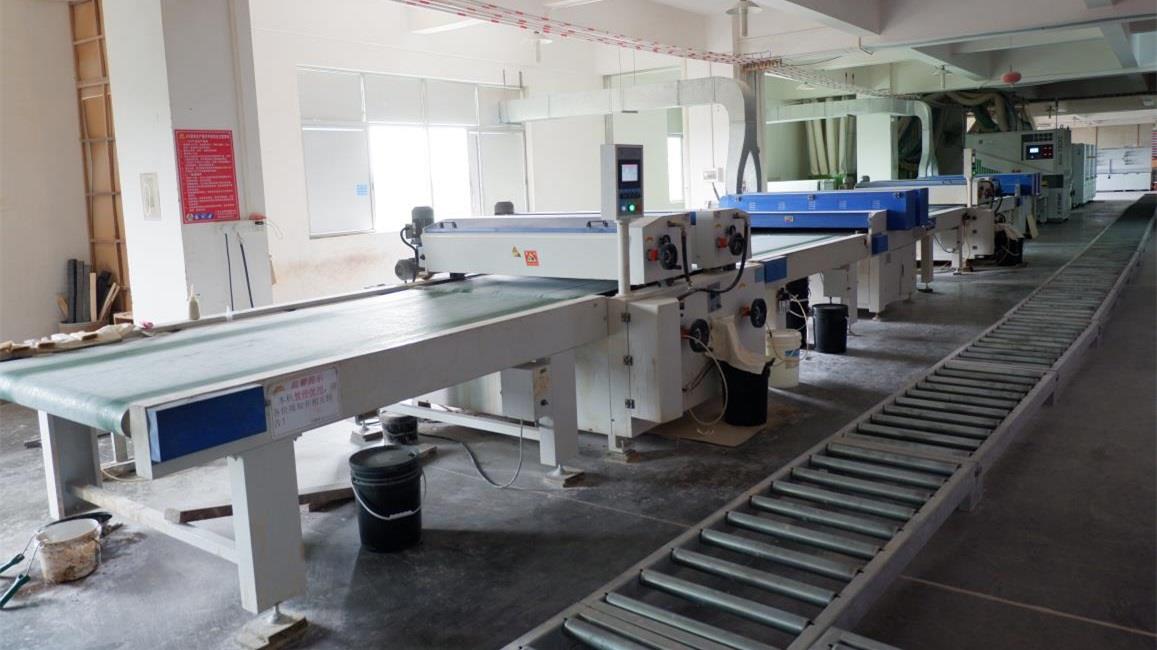
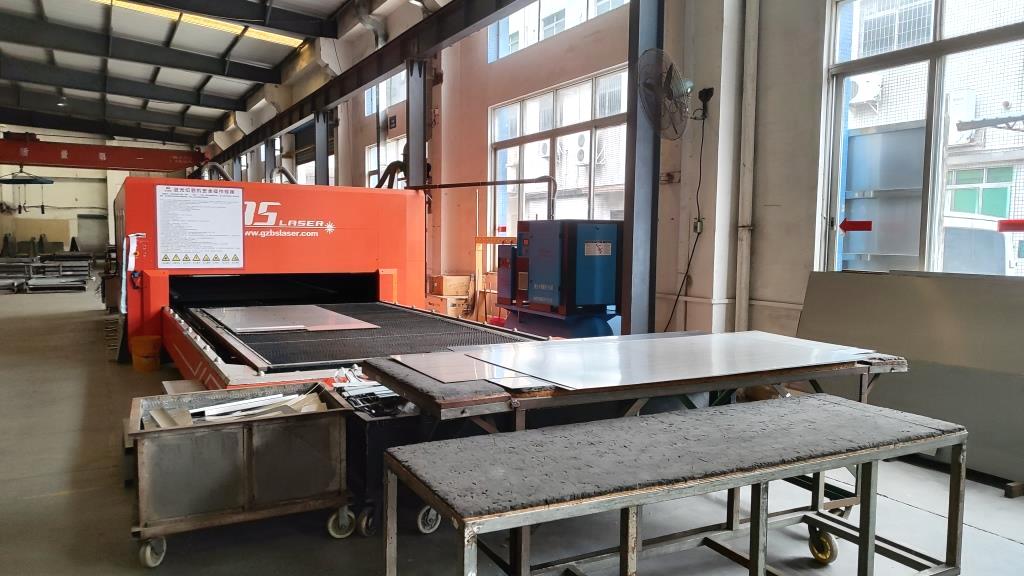
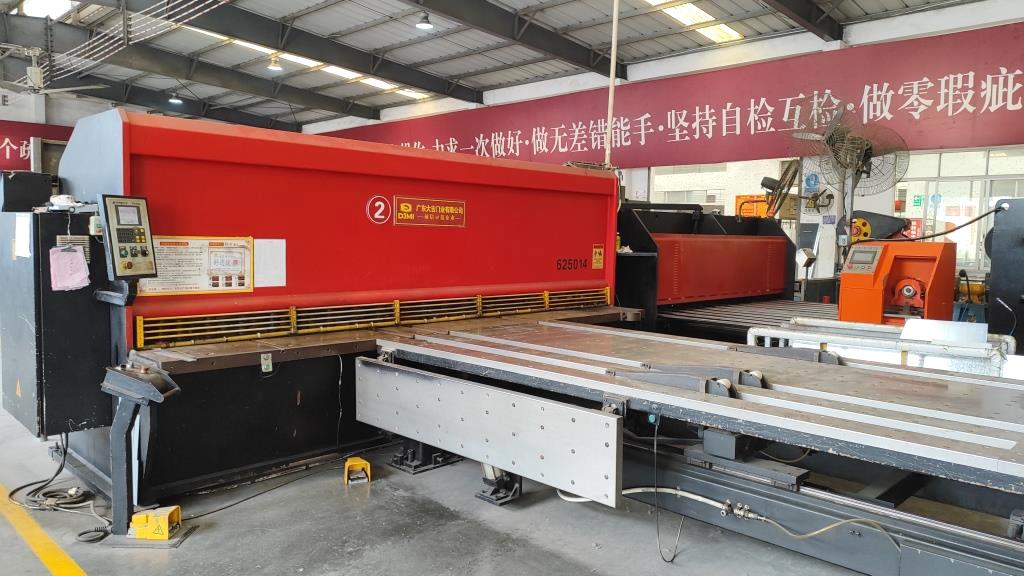
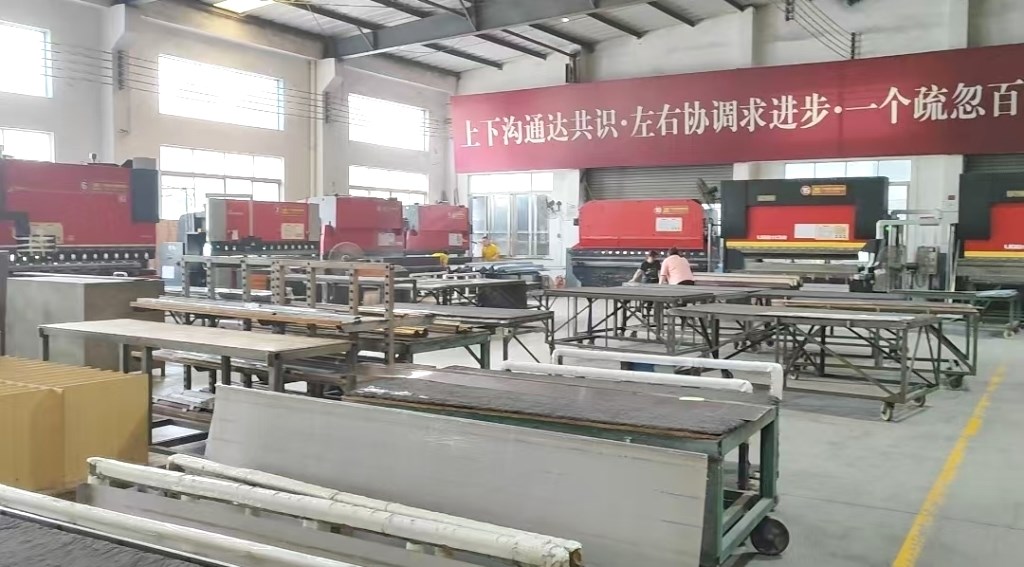
In addition to our sheet metal and assembly lines, our factory includes a dedicated punch press department (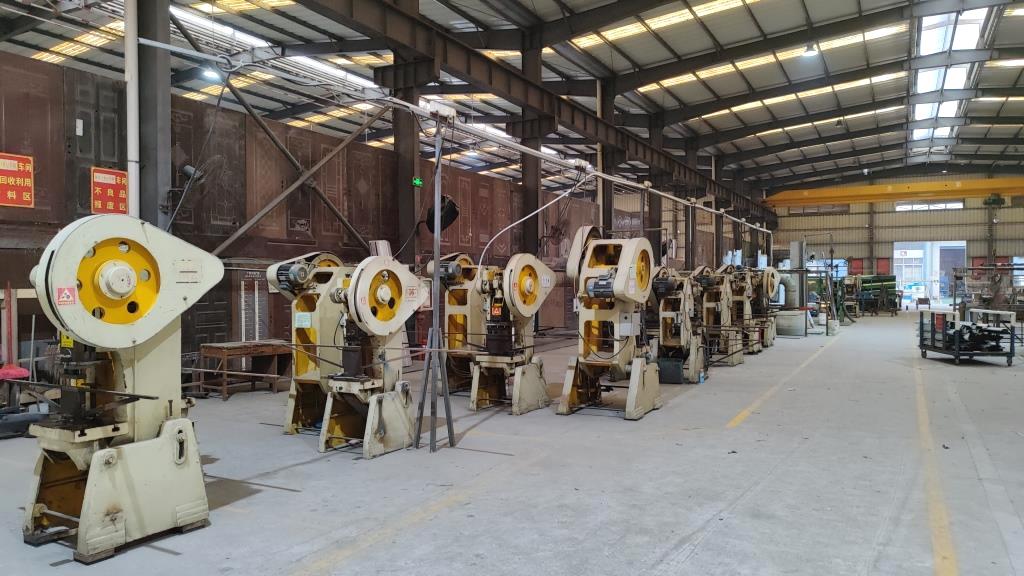 Punching) and a hot-press line to bond high-density engineered wood veneers to armored steel core plates. This combined manufacturing setup allows us to supply hybrid wood-copper armored door sets to customers worldwide.
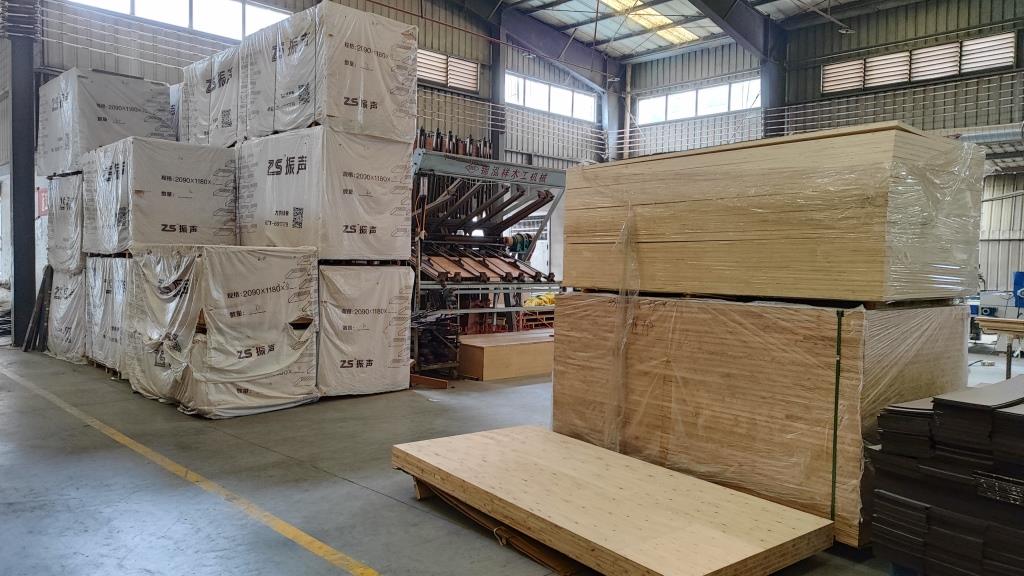
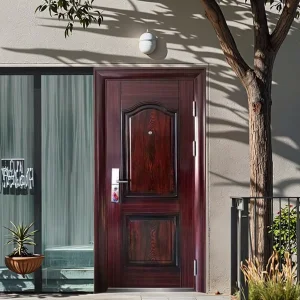
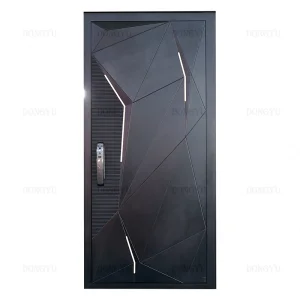
Engineered for high-security entries, these systems combine heavy steel plates, copper surfaces, and bulletproof cores.
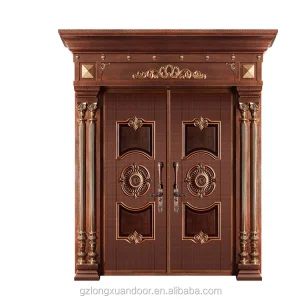
For procurement managers and developers coordinating projects in Japan, securing reliable suppliers who understand regional building compliance is essential. Shipping products into Kobe or Osaka Port requires careful planning around customs, certification records, and secure packaging.
Every shipment of engineered flush doors or armored panels from our factory undergoes strict testing. This includes structural load-bearing tests and adhesion checks for our engineered veneers to ensure they resist peeling in humid environments. We also provide documentation showing compliance with emissions and fire standards, which helps streamline customs clearance at Japanese ports.
Sea shipping poses risk of salt damage and humidity exposure. Larsom Door addresses this through export-grade packing protocols:
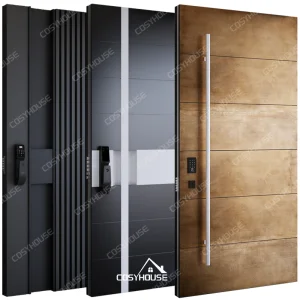
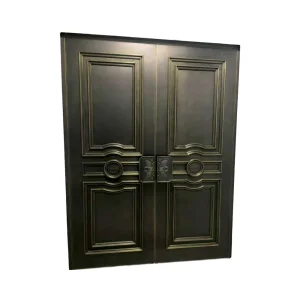
Explore our full line of armored security doors, cast aluminum finishes, and real copper entryways designed for projects in the Kansai region.
 Larsom Door