Engineered with core stability and architectural precision to meet the high demands of high-rise apartment (APT) reconstructions and commercial interior designs in Seoul and Gyeonggi-do.
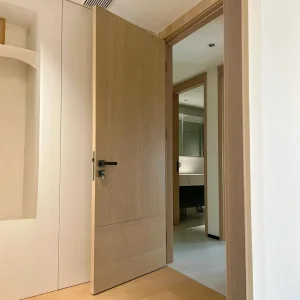
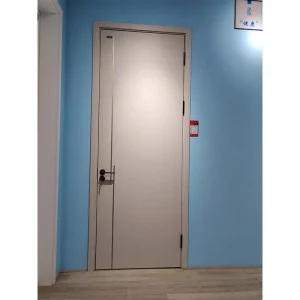
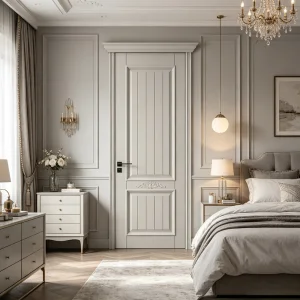
South Korea’s modern architectural landscape, dominated by high-density residential towers (primarily Apt complexes) and ultra-contemporary office buildings in metropolitan hubs like Seoul, Incheon, and Busan, mandates specific industrial parameters for interior woodwork. The domestic Korean construction industry operates under strict performance benchmarks that cover acoustic separation, fire containment, environmental safety, and aesthetic sophistication.
In recent years, the market has witnessed a decisive shift from traditional site-assembled timber structures to prefabricated, high-specification Engineered Wooden Flush Doors. These products must address several critical regional challenges:
To successfully supply real estate developers, contractors, and design bureaus in Korea, doors must be manufactured with strict structural integrity. The cross-sectional engineering of Larsom's flush doors is designed to meet these exact requirements:
Our solid core uses premium Laminated Veneer Lumber (LVL) stiles and rails with high-density solid particle board or tubular mineral core to prevent warping, offering robust structural integrity.
High-tensile moisture-resistant MDF/HDF skins provide a smooth, flat foundation, perfect for vacuum-pressing real wood veneers or applying high-durability UV cured lacquers.
Engineered core layouts are certified to meet specific Sound Transmission Class (STC) ratings, reducing noise transfer in high-density Korean multi-family apartments.
Our technical route utilizes automated CNC sizing and edge processing to ensure tolerances remain under ±0.5mm—a critical requirement when doors are integrated into pre-hung metallic or engineered composite sub-frames at the job site.
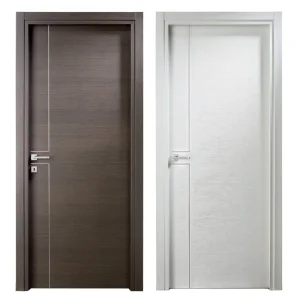
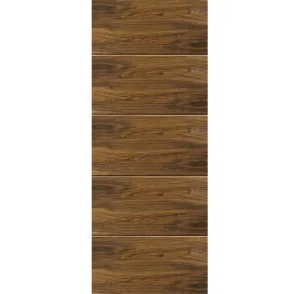
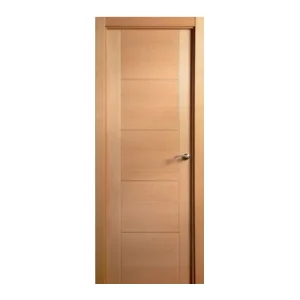
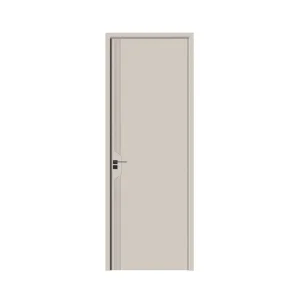
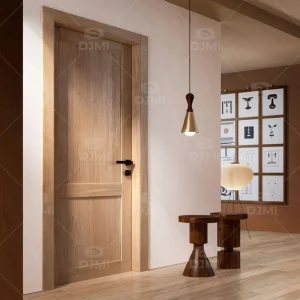
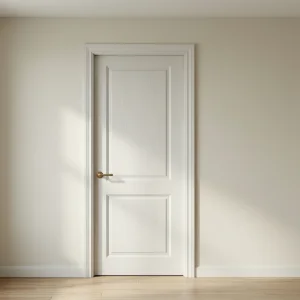
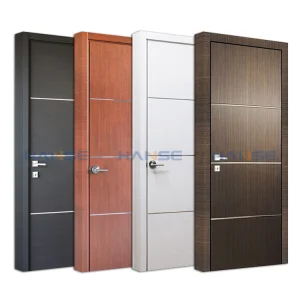
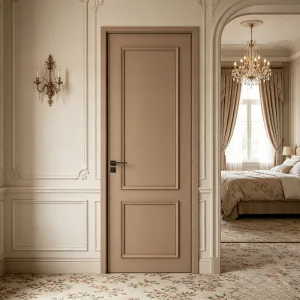
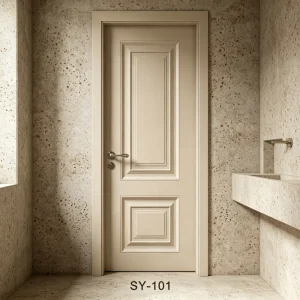
These models showcase the versatility of our engineering, matching the sleek aesthetic demands of high-end hotels, commercial workspaces, and modern residential structures in Seoul.
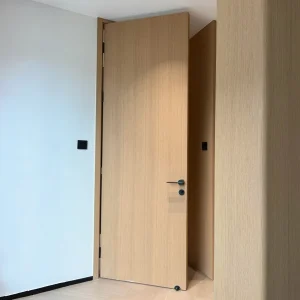
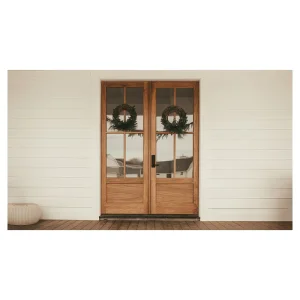
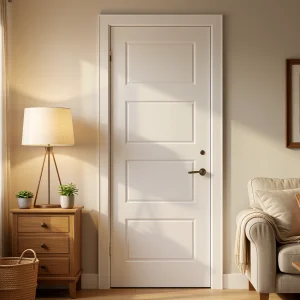
Zhejiang Larsom Door Co., Ltd. is a leading manufacturer specializing in the research, development, production, and global export of high-quality security doors, armored doors, steel-wood doors, and customized engineered interior entrance doors. We provide tailored door systems optimized for the technical, environmental, and stylistic demands of developers worldwide.
Operating a modernized manufacturing hub exceeding 16,000 square meters, supported by an experienced workforce of over 160 skilled professionals, Larsom Door achieves a daily manufacturing capacity of over 200 sets of premium engineered door units. This scale allows us to comfortably fulfill large-volume architectural orders while maintaining tight schedules for custom projects.
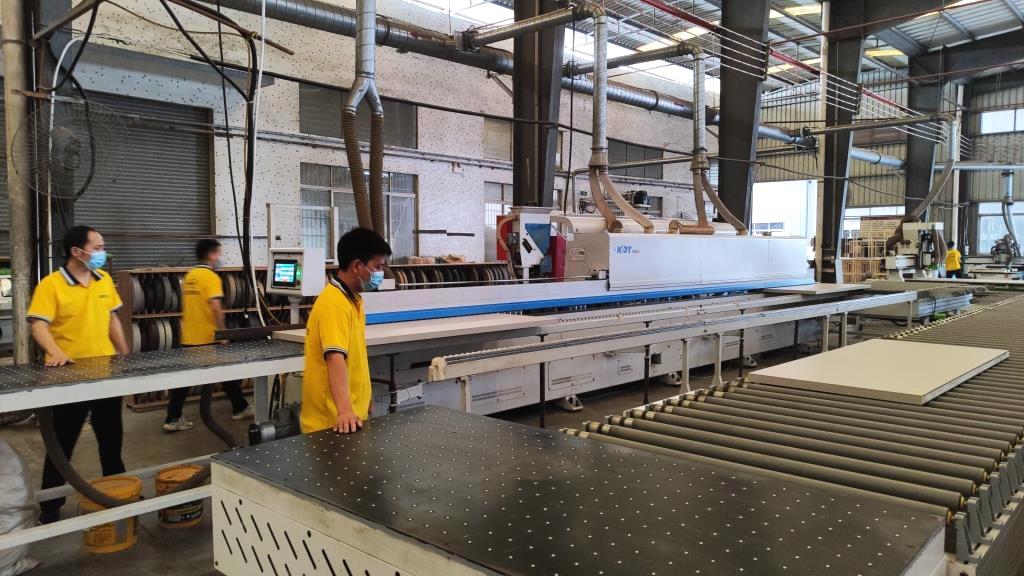
To support high product consistency, Larsom has integrated state-of-the-art automated tooling, including CNC laser cutters, high-precision bending machinery, automated welding stations, advanced UV lacquer production systems, and strict quality control operations. From material selection to moisture level management, our procedures guarantee compliance with international standards.
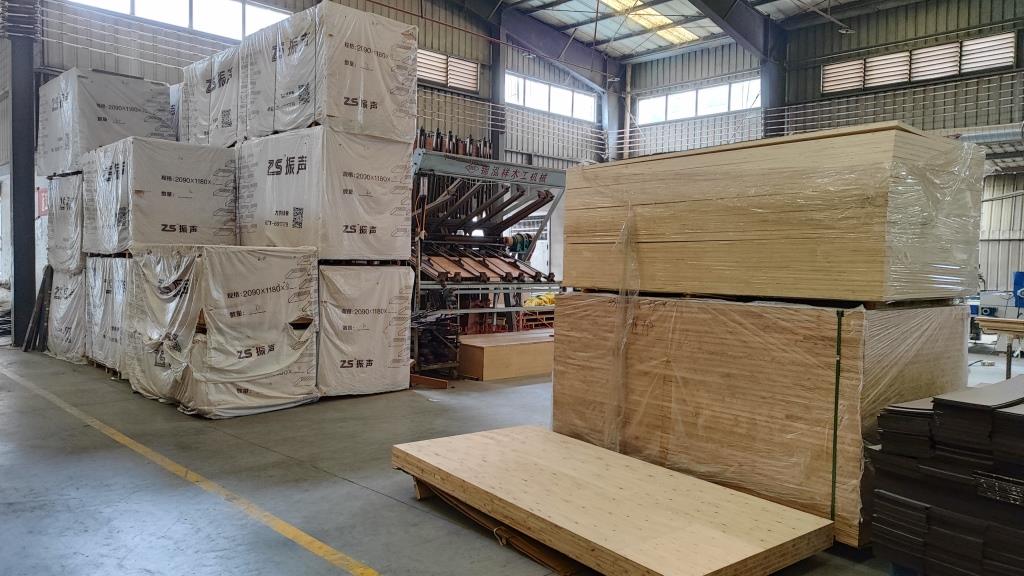
Our capabilities are designed to meet large-scale commercial developments and high-end residential projects.
Our facility operates precise engineering stations to ensure structural integrity and a flawless surface finish for every door leaf.
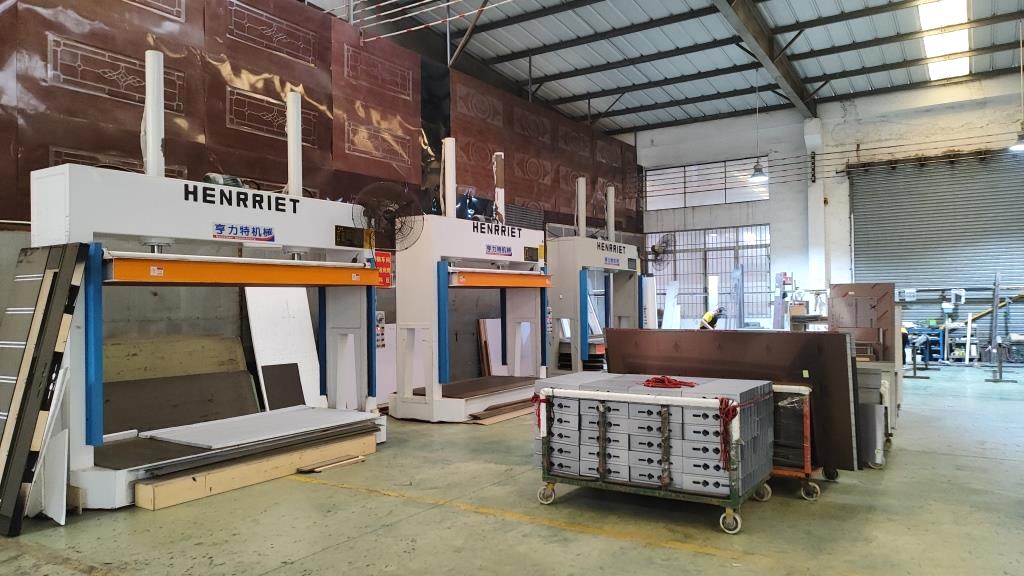
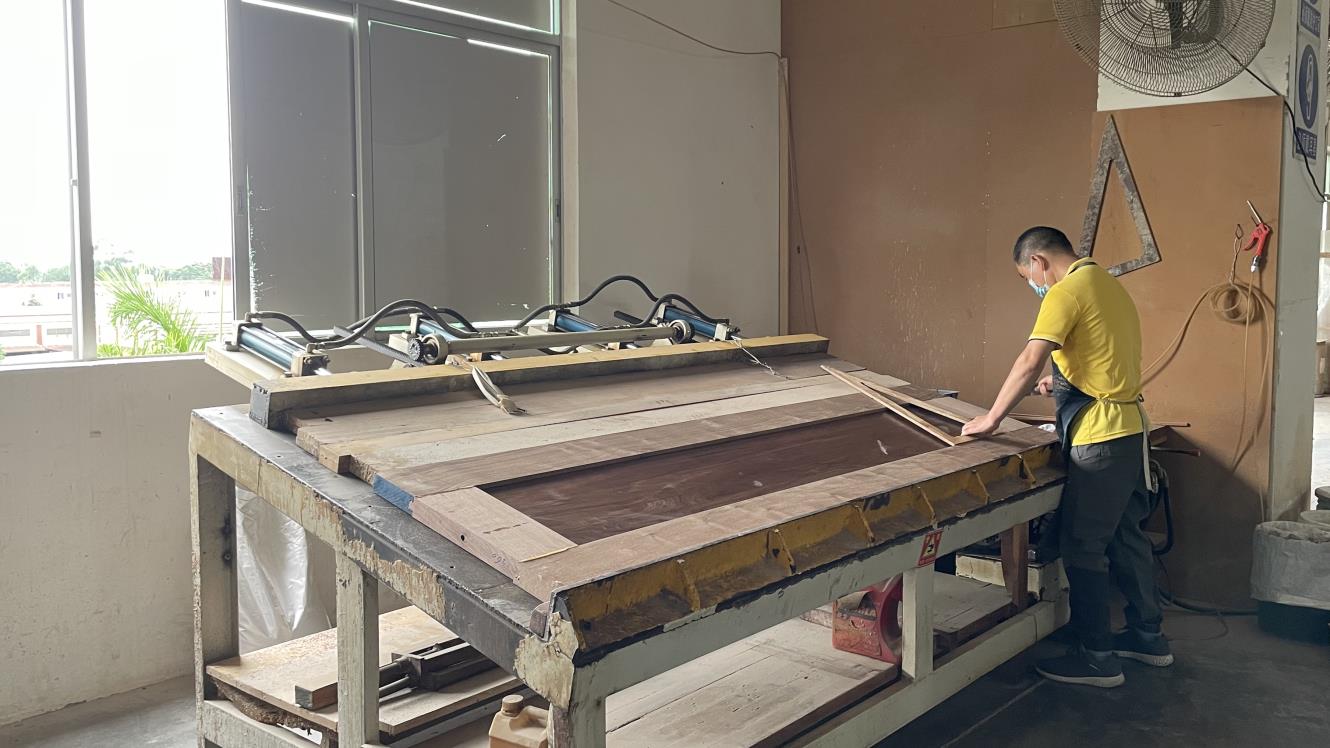
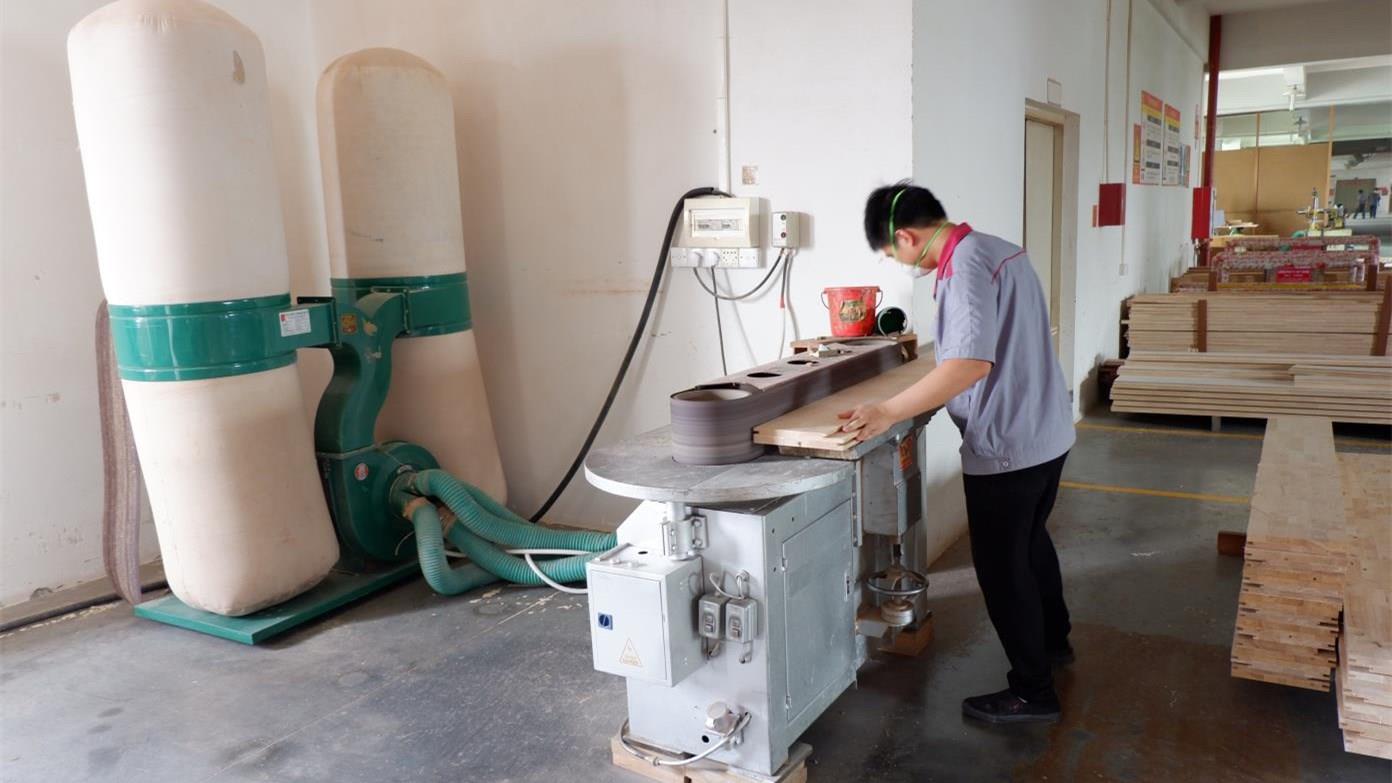
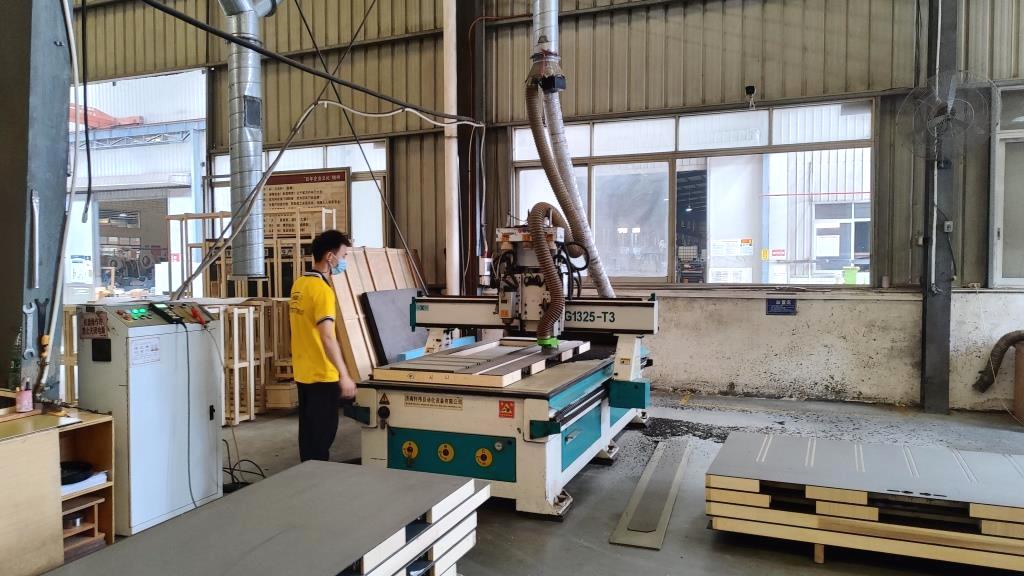
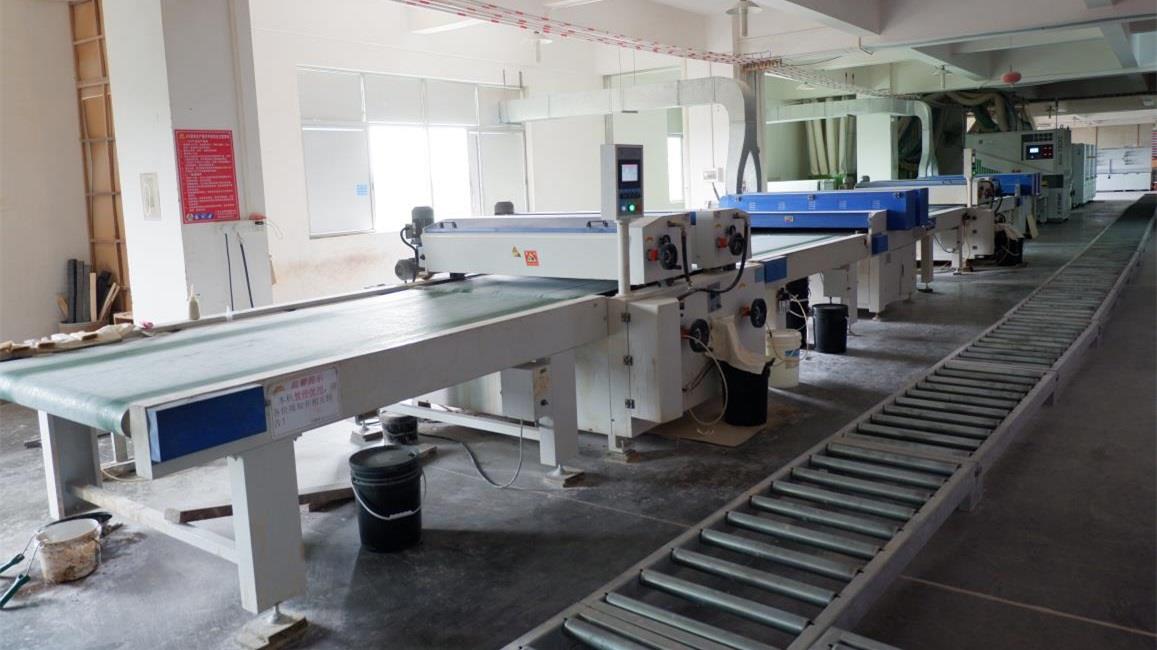
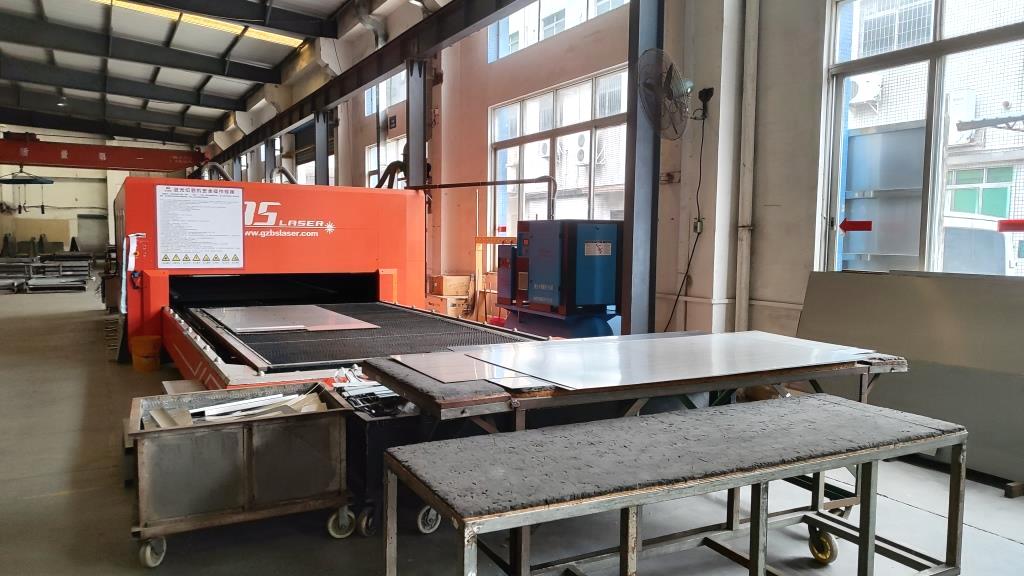
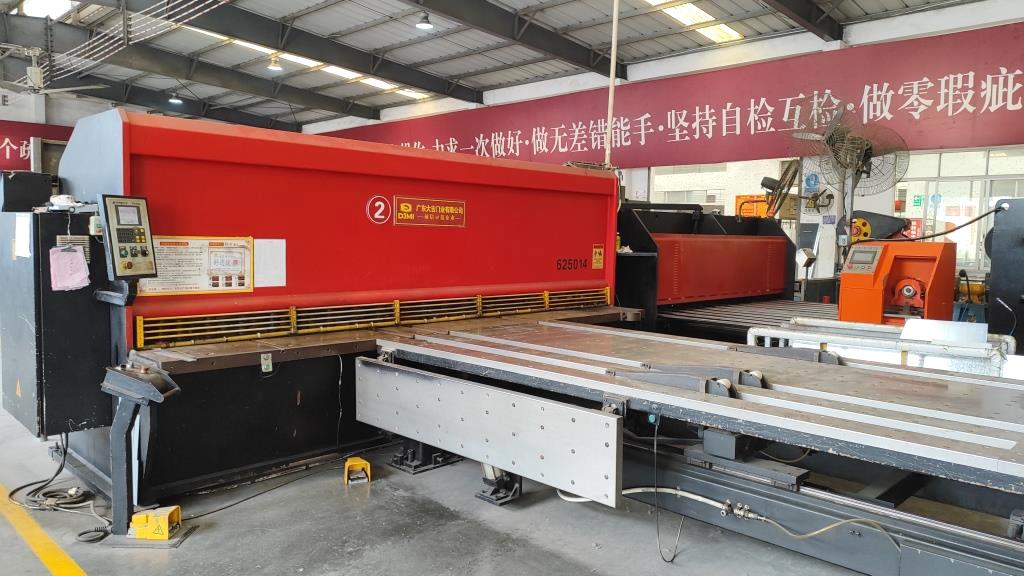
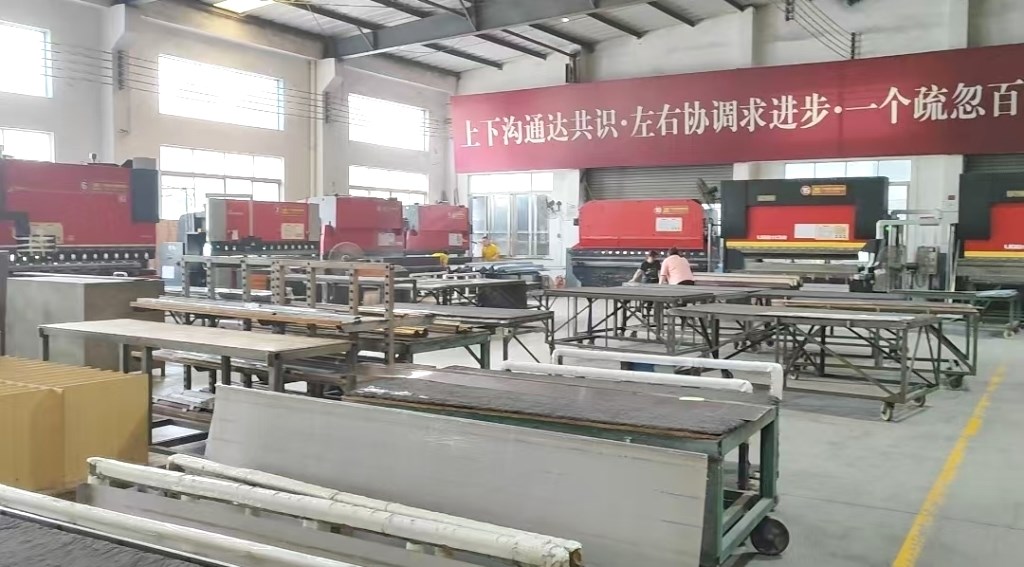
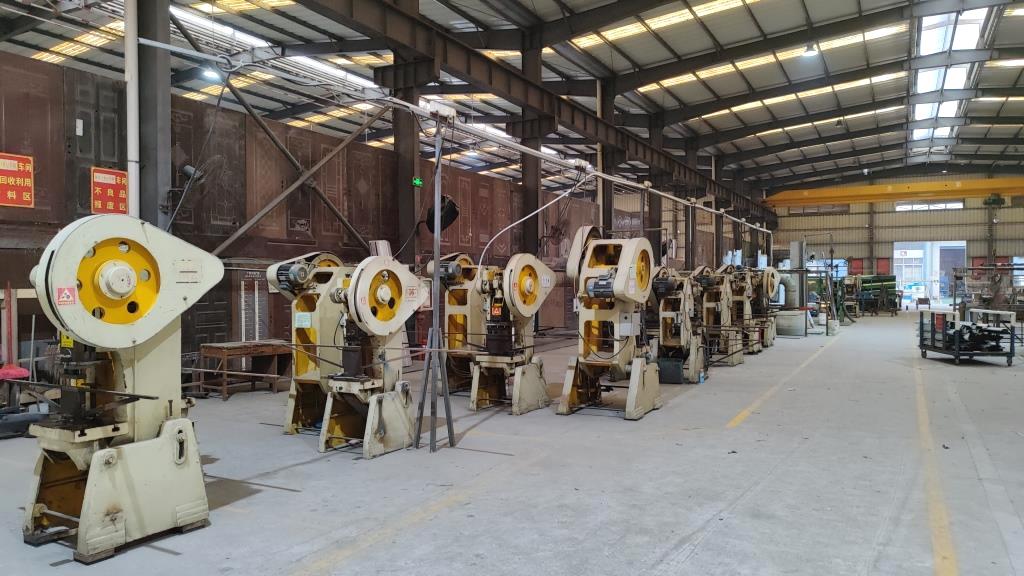
System-wide Quality Assurance Inspection
Procuring construction components for the Korean market requires absolute alignment with local building codes. When importing flush doors from China, developers and trade agents must verify several technical compliance points:
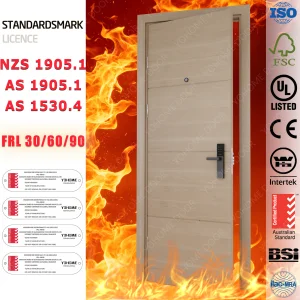
In South Korea, commercial entry doors and interior doors in high-rise corridors are subject to specific fire containment regulations. Our wood-veneer flush doors can be manufactured with mineral-board cores and flame-retardant veneer sealants. This provides 30 to 60 minutes of thermal and smoke containment, complying with KS F 2268-1 testing protocols.
With apartment living being the norm in South Korea, noise mitigation is crucial. Under local apartment construction guidelines, interior bedroom doors must minimize sound transmission. Larsom's solid-core door configurations, combined with drop-down automatic sweep seals and perimeter EPDM gaskets, achieve significant decibel reduction, meeting the acoustic standards required for modern residential developments.
Indoor air quality is heavily regulated in South Korea under the "Healthy Homes Construction Standard." Materials must comply with the KS F 3200 standard for fiberboards. Larsom utilizes exclusively low-emission, hot-melt polyurethane reactive (PUR) adhesives and water-based UV coatings. This keeps formaldehyde emissions below 0.3 mg/L, complying with the Super E0 environmental standard.
South Korea leads the world in the adoption of smart digital door locks. Standard mechanical key mortises are often unsuitable for the Korean market. Our factory provides precise CNC milling for smart lock bodies, faceplates, and wire runs (including options for Samsung SDS, EZON, and other digital locks). This ensures quick, hardware-ready installation on-site.
Our standard production runs are optimized for high volume, architectural consistency, and straightforward logistics from our factory to Korean ports like Incheon and Busan.
Find technical answers regarding procurement, standards, and logistical workflows for the South Korean market.
Ready to discuss structural specifications or request a custom quote?
Send Inquiry Now Larsom Door