Top 10 Solid Wood Sliding Door Manufacturers & Factory

Global Sourcing Guide & Technical Analysis of Premium Architecture Sliding Systems, Solid Cores, and Smart Space-Saving Solutions

Macro Developments in Solid Wood Sliding Door Technology

An authoritative analysis of environmental mandates, spatial optimization, and architectural integration

Space Optimization
Urban high-density housing and premium commercial layouts are moving away from swing pathways. High-performance sliding systems reclaim up to 9.5% of floor utility, transforming space configuration.
ESG Compliance
With net-zero targets looming, global developers require verified timber sources (FSC/PEFC certification). Engineered cross-laminated cores minimize material wastage while offering superior carbon sequestration.
Acoustic & Thermal Seals
Traditional sliding doors suffered from air and noise leakage. Modern sliding doors utilize mechanical drop seals, heavy composite cores, and interlocking tracks to achieve sound dampening up to 46dB.

Evaluating the Global Shift Toward Architectural Sliding Wooden Systems

Historically considered a purely decorative or rustic solution, the solid wood sliding door has transitioned into a highly technical, functional component of modern engineering. In projects spanning luxury multi-family developments, hotel chains, and corporate offices, sliding partitions have become the standard for flexible room division. Architecturally, the transition from traditional frame-hung swing doors to ceiling-recessed and pocket-sliding doors represents an adaptation to evolving floor plates.

This spatial efficiency is driven by the structural capabilities of major manufacturers who blend raw timber craft with modern composite technology. Solid timber slabs, while aesthetically peerless, are susceptible to warping when exposed to relative humidity (RH) differentials between zones. To mitigate this, advanced factories employ engineered stiles and rails with LVL (Laminated Veneer Lumber) cores and cross-banded veneers, ensuring planar stability under challenging climates.

Zhejiang Larsom Door Co., Ltd.

Leading Global Manufacturer of Security, Armored, and High-Performance Wooden Systems

Zhejiang Larsom Door Co., Ltd. is a professional manufacturer specializing in the research, development, production, and global sales of high-quality security doors, armored doors, steel-wood doors, and customized entrance door solutions. Since its establishment, Larsom Door has been committed to providing customers around the world with safe, durable, and stylish door products.

16,000+
Sqm Facility Area
160+
Skilled Operators
200+
Daily Sets Capacity
130+
Countries Exported

Today, the company operates a modern manufacturing facility covering more than 16,000 square meters, supported by an experienced team of over 160 skilled employees. With advanced production management and efficient manufacturing systems, our daily production capacity exceeds 200 sets of premium doors, enabling us to meet both large-scale projects and customized orders with reliable delivery.
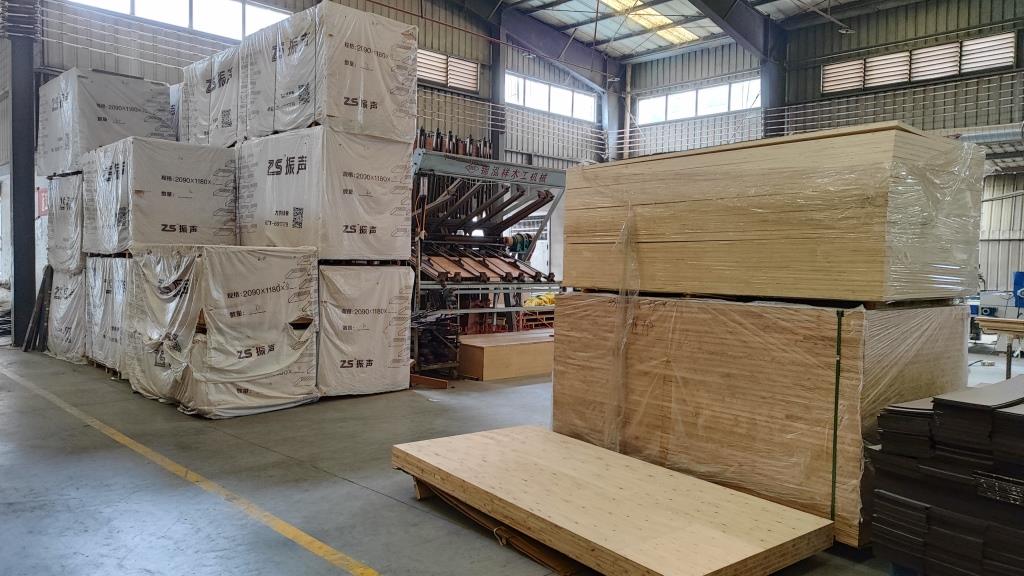
Zhejiang Larsom Door Factory Overview

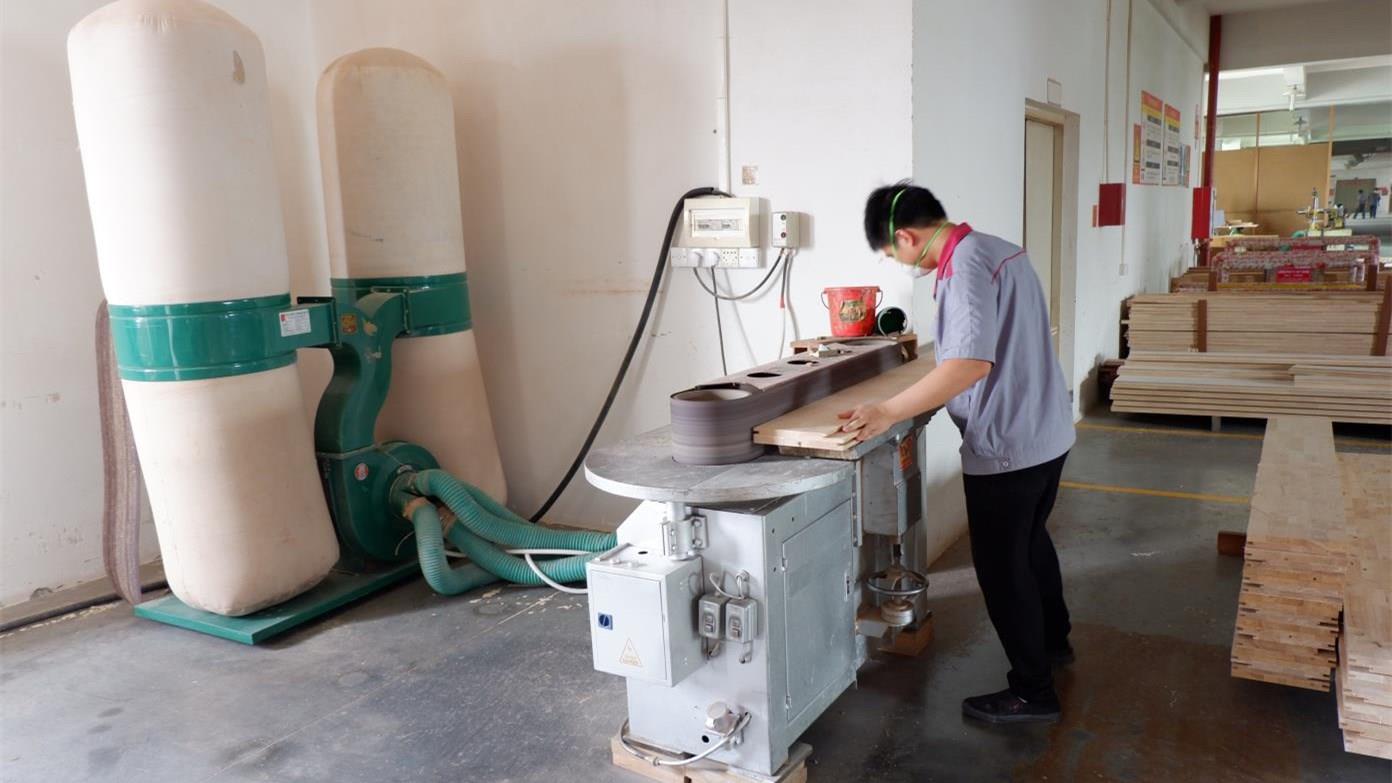
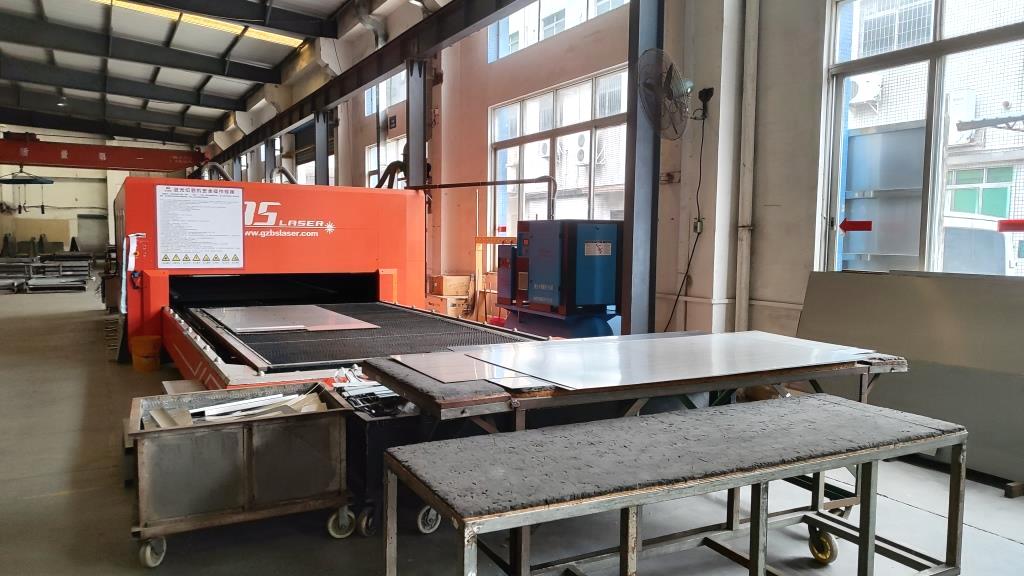
To continuously improve product quality and manufacturing efficiency, Larsom Door has invested heavily in advanced automated production equipment, including CNC laser cutting machines, CNC bending machines, automatic welding systems, high-speed turret punching machines, automatic sanding machines, and modern powder coating production lines. These advanced facilities, combined with strict quality control procedures, ensure that every door meets international quality standards.

Quality is the foundation of our business. Larsom Door strictly implements comprehensive quality management throughout every production process, from raw material selection to final inspection. Our products comply with international quality standards and have earned an excellent reputation among customers worldwide.

Advanced Heavy Industry Production Capability

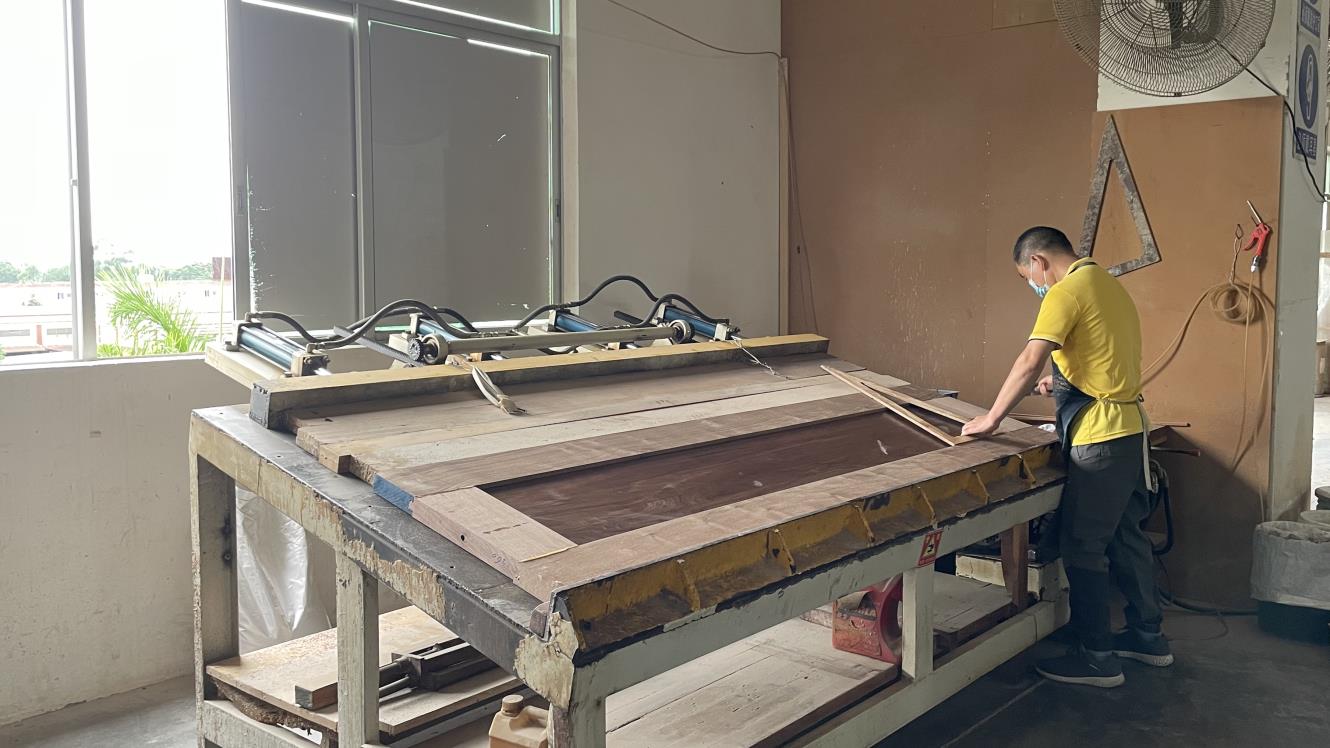
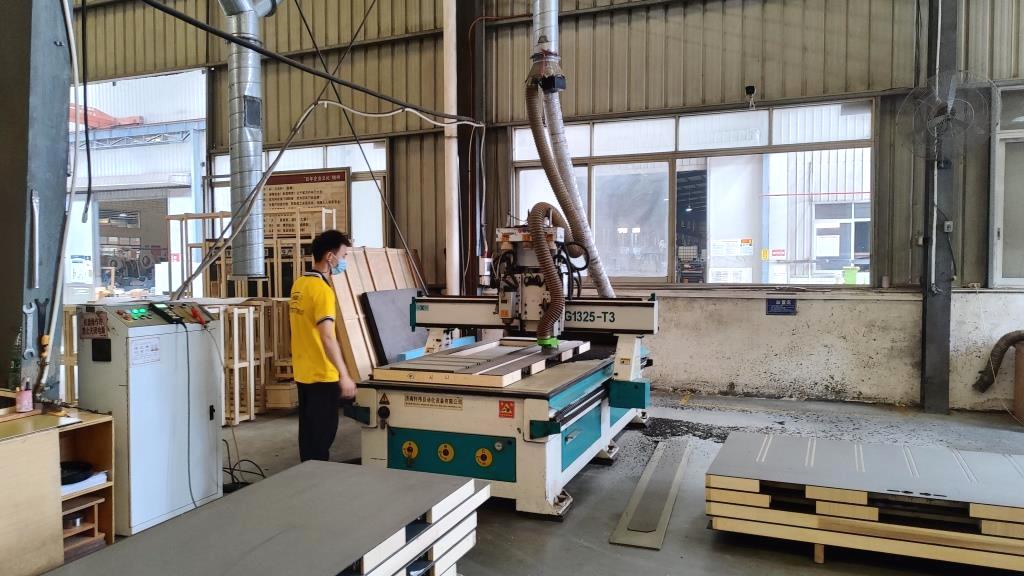
Our facility features highly specialized processing zones that span metallurgical sheet forming, structural welding, and advanced wooden carpentry. By deploying computerized CNC equipment, tolerances are held below 0.05mm, achieving a structural consistency necessary for high-end acoustic sliding configurations.
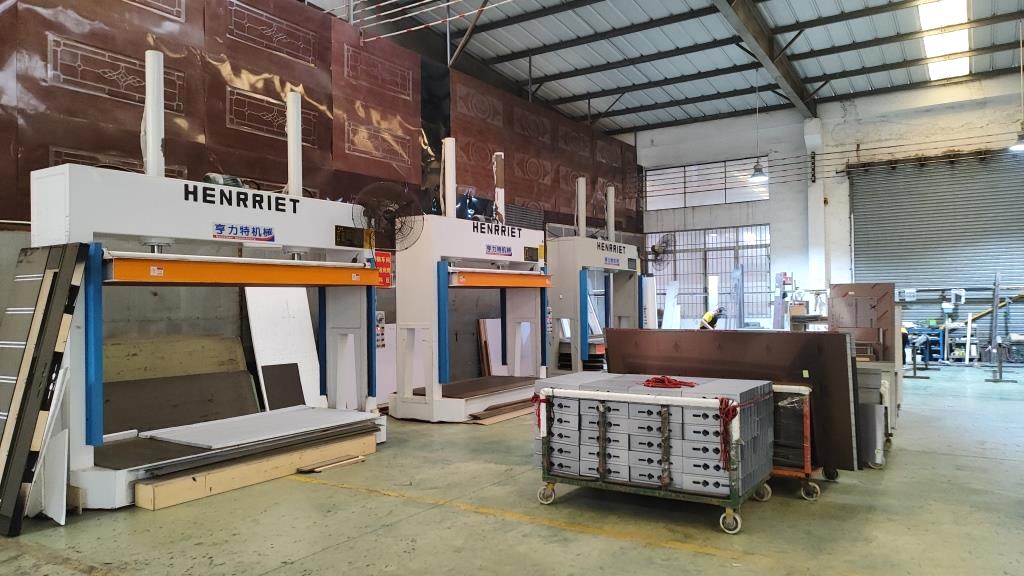
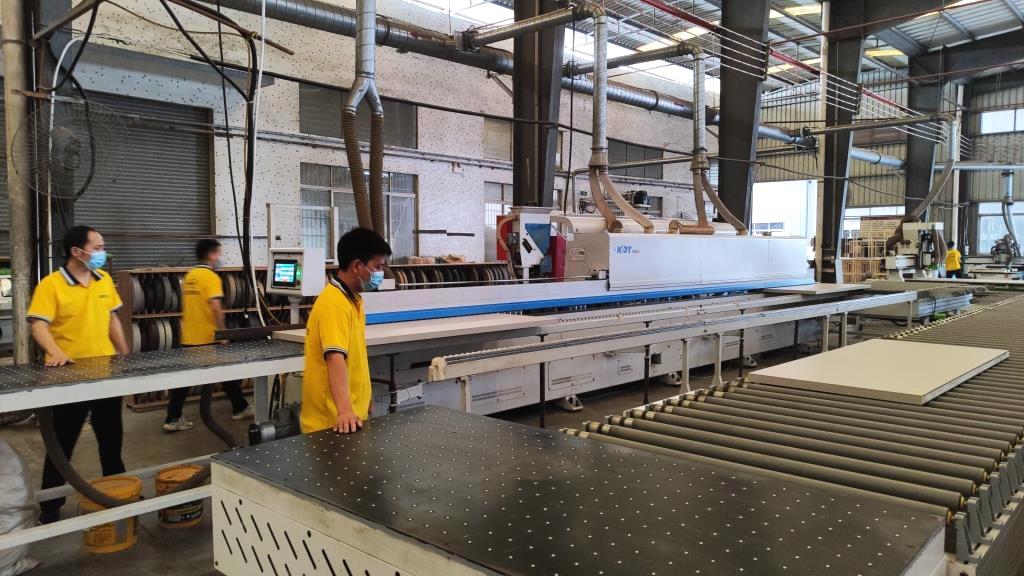
Pressing Plate 1
Pressing Plate 1
Splicing & Prep
Splicing & Prep
Splicing
Splicing
Edge Sanding
Edge Sanding
Engraving
Engraving
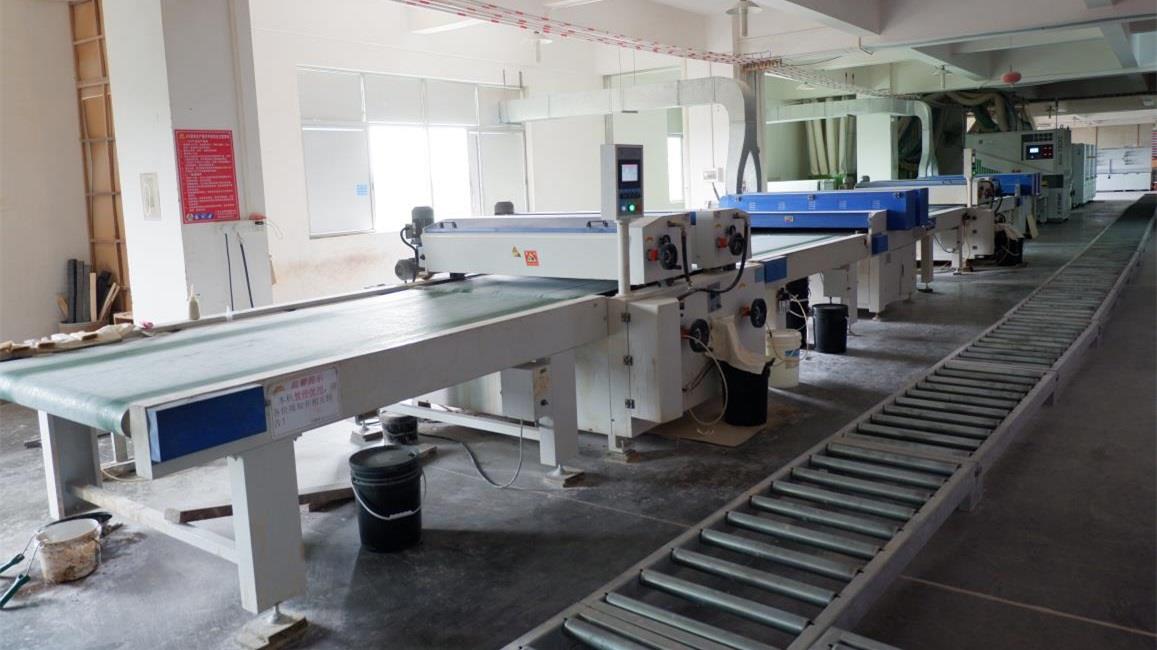
UV Production
UV Production
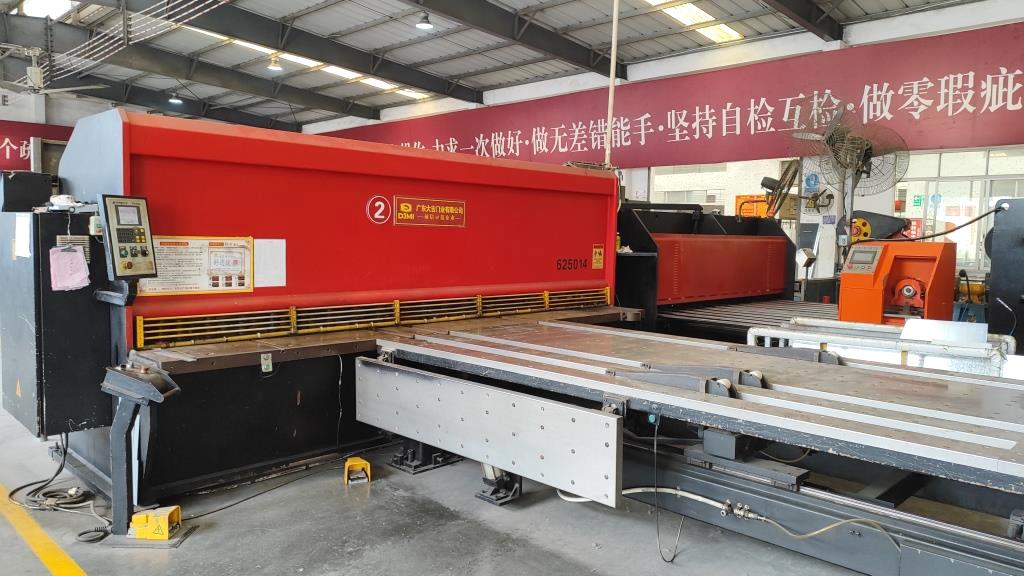
Plate Shearing
Plate Shearing
Plate CNC Cutting
Plate CNC Cutting
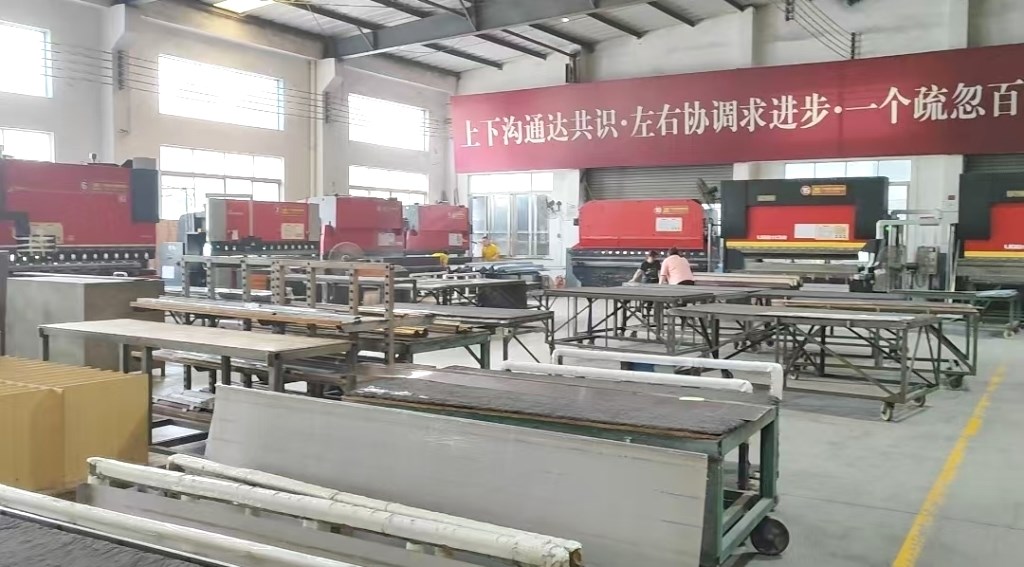
Plate Bending
Plate Bending
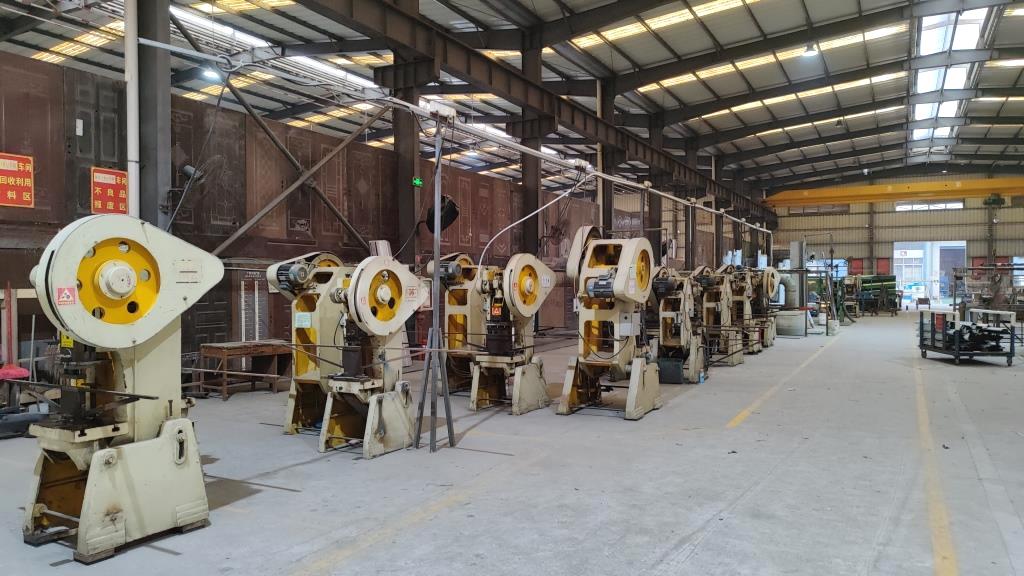
Punching
Punching

Technical Specification Matrix: Selection Guidelines for Global Procurement

When B2B buyers or specification engineers procure solid wood sliding assemblies for high-traffic environments, they must analyze parameters that extend beyond visual veneer grades. The table below represents the core parameters demanded in modern commercial tenders:

Technical Parameter Standard Requirement Larsom Enterprise Spec Architectural Benefit
Core Density 450 - 550 kg/m³ 680 - 750 kg/m³ Enhanced structural integrity & impact resistance
Moisture Content 8% - 12% (Regional variations) 8% Controlled Kiln-Dried Zero planar warping, splits or joint separation
Acoustic Index (STC) 30dB - 35dB Up to 46dB (Perimeter drop seals) Ideal for premium hotels & boardroom settings
Formaldehyde Emission EN E1 Standard E0 / CARB Phase II Compliant Safe for hospital wards & schools (LEED credits)
Hardware Cycle Test 100,000 cycles 200,000+ heavy-duty rollers Long-term operability without line sag or vibration

Global Sourcing & Procurement Logistics for Enterprise Buyers

For international project contractors, real estate developers, and wholesale importers based in target markets (North America, Europe, Middle East, and Africa), procuring doors is an exercise in risk mitigation. Key challenges include transit-induced moisture uptake, structural damage, and non-compliance with national fire or environmental building codes.

Our customized solutions incorporate a multi-layer wood preservation strategy. By combining engineered core stability with moisture-barrier PVC/WPC exterior skins, or utilizing 100% waterproof construction (especially for coastal or high-humidity regions like the Gulf or coastal Africa), we eliminate post-installation callbacks. Furthermore, our flexible OEM and ODM services allow developers to integrate customized hardware prep, ensuring compatibility with regional locksets, commercial heavy-duty floor springs, and access control electronic systems.

Future Technical Roadmap: Smart Sliding & Advanced Composites

As smart buildings grow from luxury concepts to baseline market expectations, the door is no longer a static element. Zhejiang Larsom Door Co., Ltd. is currently investing in developmental cycles targeting three core areas of expansion:

  • Integrated Magnetic-Drive Automation: Brushless linear motor systems that fit within standard pocket framing, allowing contactless opening via smartphone or gesture control.
  • Hybrid Nanotech Finishes: UV-cured acrylic coatings with antimicrobial properties and self-healing micro-scratch capabilities, ideal for high-traffic clinical and hospitality layouts.
  • Low-Mass Carbon Core Composites: Utilizing ultra-light structural carbon honeycomb matrices within real wood veneers to decrease physical slab weight by 35% without losing structural stability or soundproofing limits.

Frequently Asked Questions

Technical advice and structural recommendations from our project engineering team

Why is moisture content control crucial for solid wood sliding doors?
Solid wood is hygroscopic, meaning it absorbs and releases environmental moisture, leading to expansion and contraction. Unlike swinging doors, which have wider tolerance margins inside their frames, sliding doors operate on tight hardware pathways. Even minimal warping (greater than 2-3mm) can cause the slab to drag along the wall or stick inside pocket frames. Larsom processes its timber down to a strict 8%-12% kiln-dried threshold to ensure permanent geometric alignment.
What is the difference between solid core and composite core doors?
A traditional solid wood door is built of integrated solid wood lumber blocks. While highly premium and heavy, it exhibits natural expansion characteristics. A composite core (e.g., MDF, WPC, or multi-layered engineered core) pairs natural wood stiles with dense engineered inner cores. This composite approach provides superior resistance to temperature-induced warping, cost-effectiveness, and enhanced acoustic dampening, making it highly requested for modern hotels and apartment developments.
Can sliding doors achieve high acoustic insulation (e.g., 40dB+)?
Yes, but it requires systematic engineering. Traditional barn-style sliding doors have perimeter gaps that leak sound. To achieve a laboratory-tested rating of up to 46dB (typical for hotel rooms or recording studios), you must pair a high-density, multi-layer acoustic core door with dedicated drop-down bottom seals, interlocking side channels, and heavy neoprene perimeter seals that compress when the sliding door reaches the fully closed position.
Are PVC and WPC doors suitable for interior spaces with high moisture?
Absolutely. For bathrooms, steam kitchens, or tropical villa environments, standard wood doors can deteriorate due to direct contact with water or persistent high humidity. Wood-Plastic Composite (WPC) and waterproof PVC-clad doors combine the aesthetic value of wood-grain texture with the impervious nature of high-polymer materials. They are 100% waterproof, do not support mold growth, and will not warp or delaminate.
How does Zhejiang Larsom Door Co., Ltd. manage shipping protection for global distribution?
To ensure that our products reach builders across 130+ countries damage-free, Larsom utilizes a multi-layer packaging system: first, the door slabs are wrapped in protective polyethylene scratch-resistant film; second, the corners are protected by reinforced hard polystyrene covers; third, they are enclosed in heavy-duty double-wall corrugated cardboard; and finally, orders are packed into heat-treated wooden crates or pallets configured for safe forklift handling.