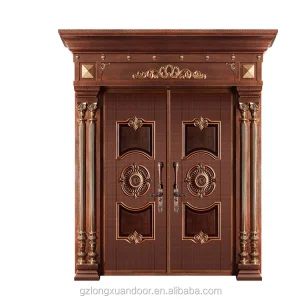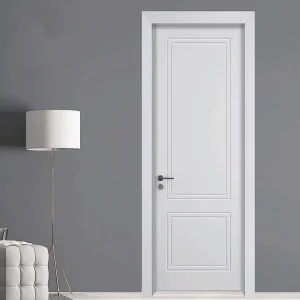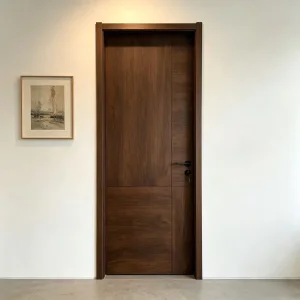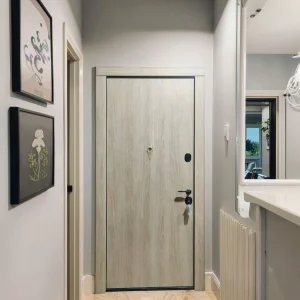
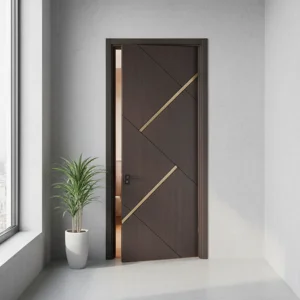
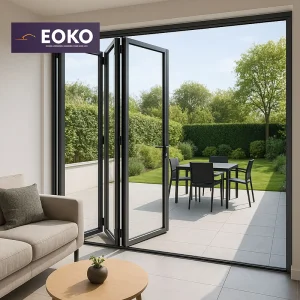
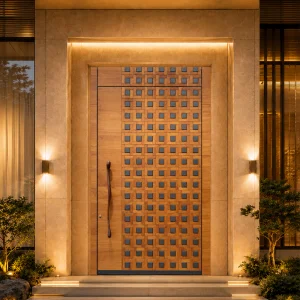
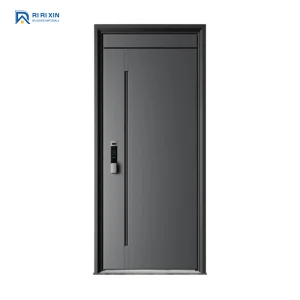
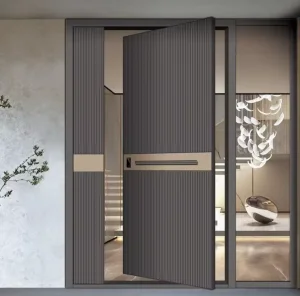
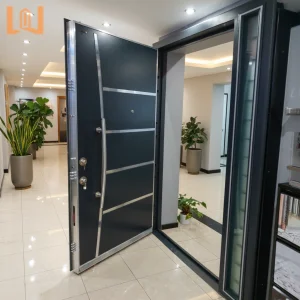
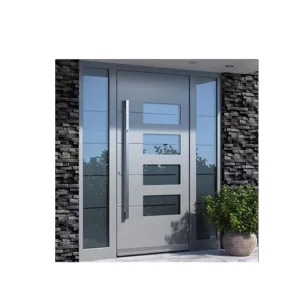
Modern architecture is undergoing a dramatic shift towards minimalism, clean lines, and integrated structures. The demand for concealed frame security doors (often referred to as flush-to-wall or frameless security doors) has surged globally. Historically, structural security required heavy, visibly bulky frames that interrupted the continuity of architectural surfaces. Today, real estate developers and top-tier designers demand systems where structural framing is embedded directly into the wall finishes, leaving only the door leaf visible.
This integration poses significant engineering challenges. Because the frame is invisible, the heavy dead load of armored steel-core doors must be borne by high-precision, 3D-adjustable concealed hinges or heavy-duty pivot systems anchored directly into subframes. Beyond aesthetics, these assemblies must maintain strict security ratings, fire protection standards, acoustic attenuation, and weatherproofing.
Information Gain Insight: While typical security door vendors focus purely on lock mechanisms, the top 10 concealed frame manufacturers differentiate themselves through sub-frame thermal breaks, structural wall-interface designs, and coplanar adjustments that counteract wall settlement over time.
Global commercial and high-end residential developers face strict structural, regulatory, and aesthetic codes. When sourcing security door systems globally, procurement managers seek multi-functional performance profiles that satisfy several key metrics:
B2B specifiers require EN 1627 RC3 to RC5 certified security levels or UL Class ratings, protecting structures from manual forced-entry attempts using specialized toolsets.
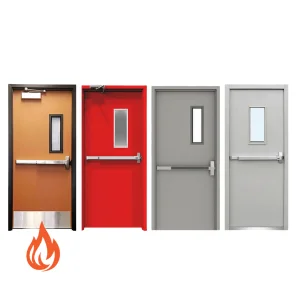
Integrations with UL 10C, WH (Warnock Hersey), or EN 1634 standards. Modern hotels and luxury high-rises require 30 to 120 minutes of certified fire resistance combined with panic hardware.
With density control and multi-layered mineral wool, solid core interiors, or WPC cores, doors achieve sound transmission loss up to 45 dB Rw to guarantee internal quietness.
Concealed frame security doors are no longer isolated products; they are part of holistic wall and access management systems. Leading global manufacturers provide end-to-end integration designs to handle complex project site constraints:
Zhejiang Larsom Door Co., Ltd. is a professional manufacturer specializing in the research, development, production, and global sales of high-quality security doors, armored doors, steel-wood doors, and customized entrance door solutions.
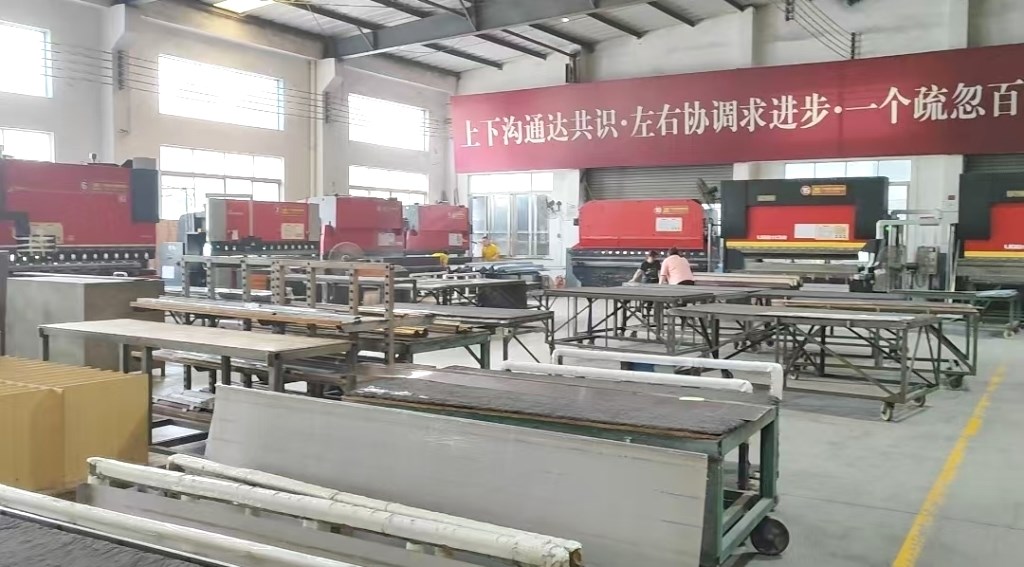
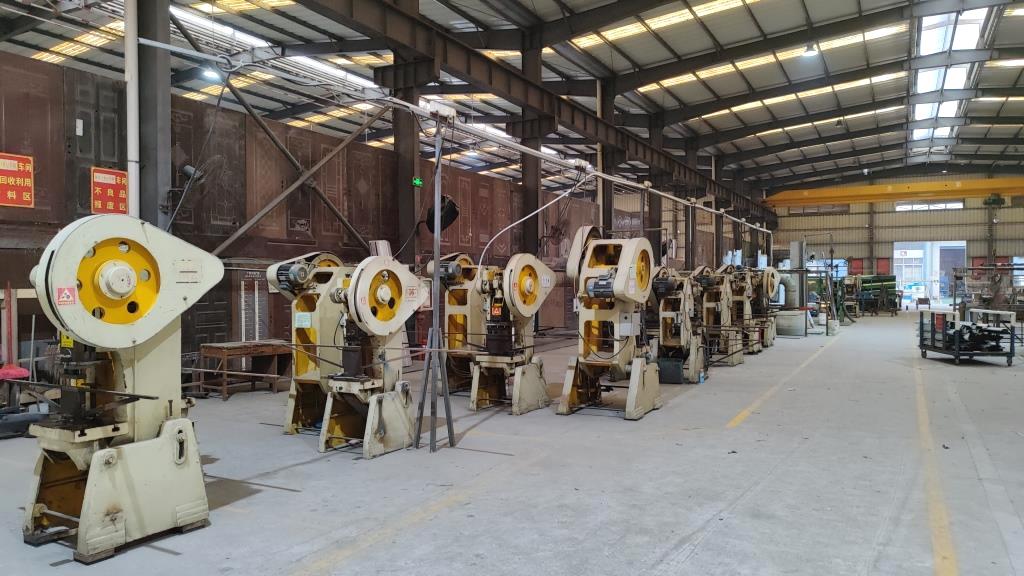
Since its establishment, Larsom Door has been committed to providing customers around the world with safe, durable, and stylish door products. Today, the company operates a modern manufacturing facility covering more than 16,000 square meters, supported by an experienced team of over 160 skilled employees. With advanced production management and efficient manufacturing systems, our daily production capacity exceeds 200 sets of premium doors, enabling us to meet both large-scale projects and customized orders with reliable delivery.
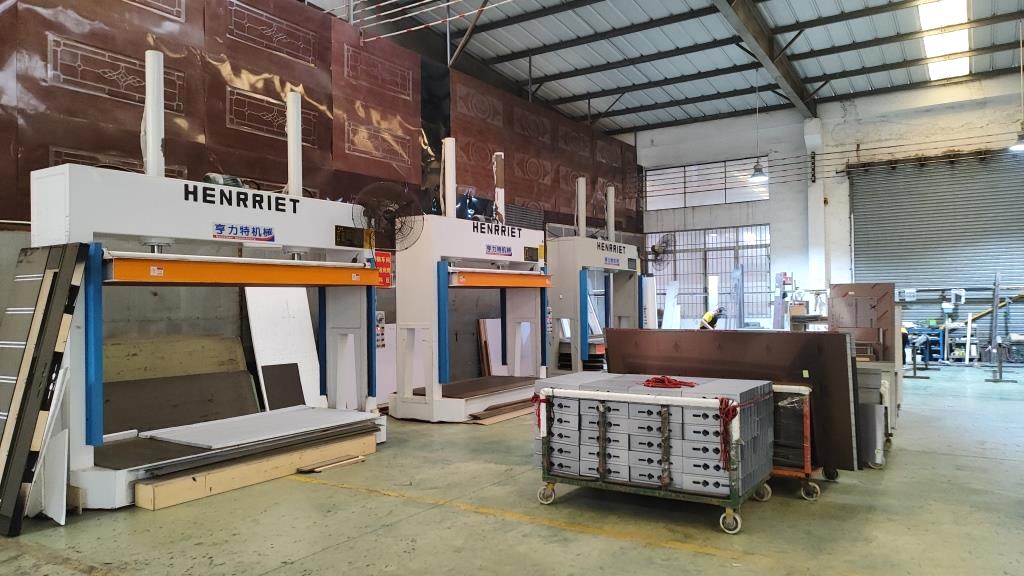
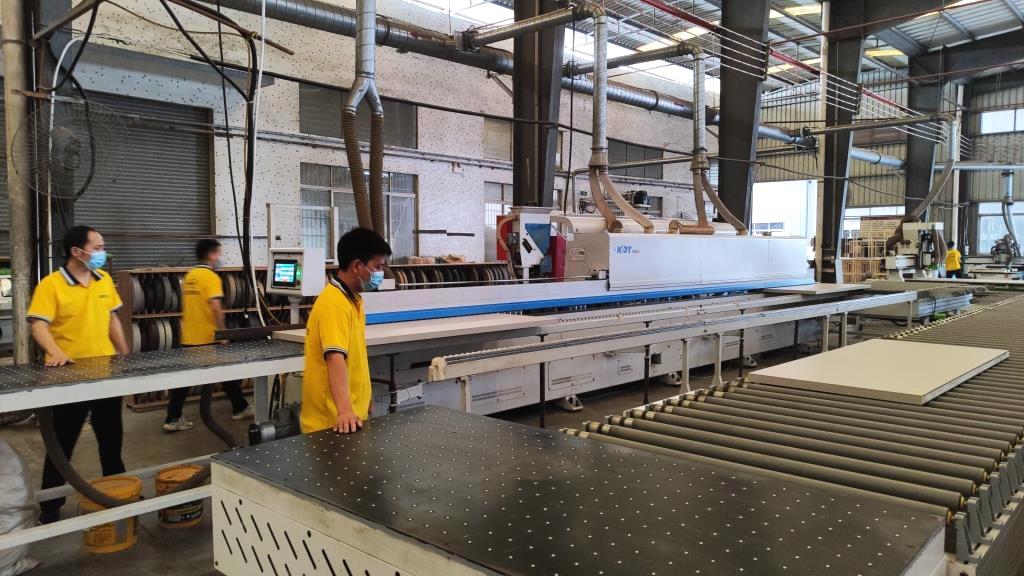
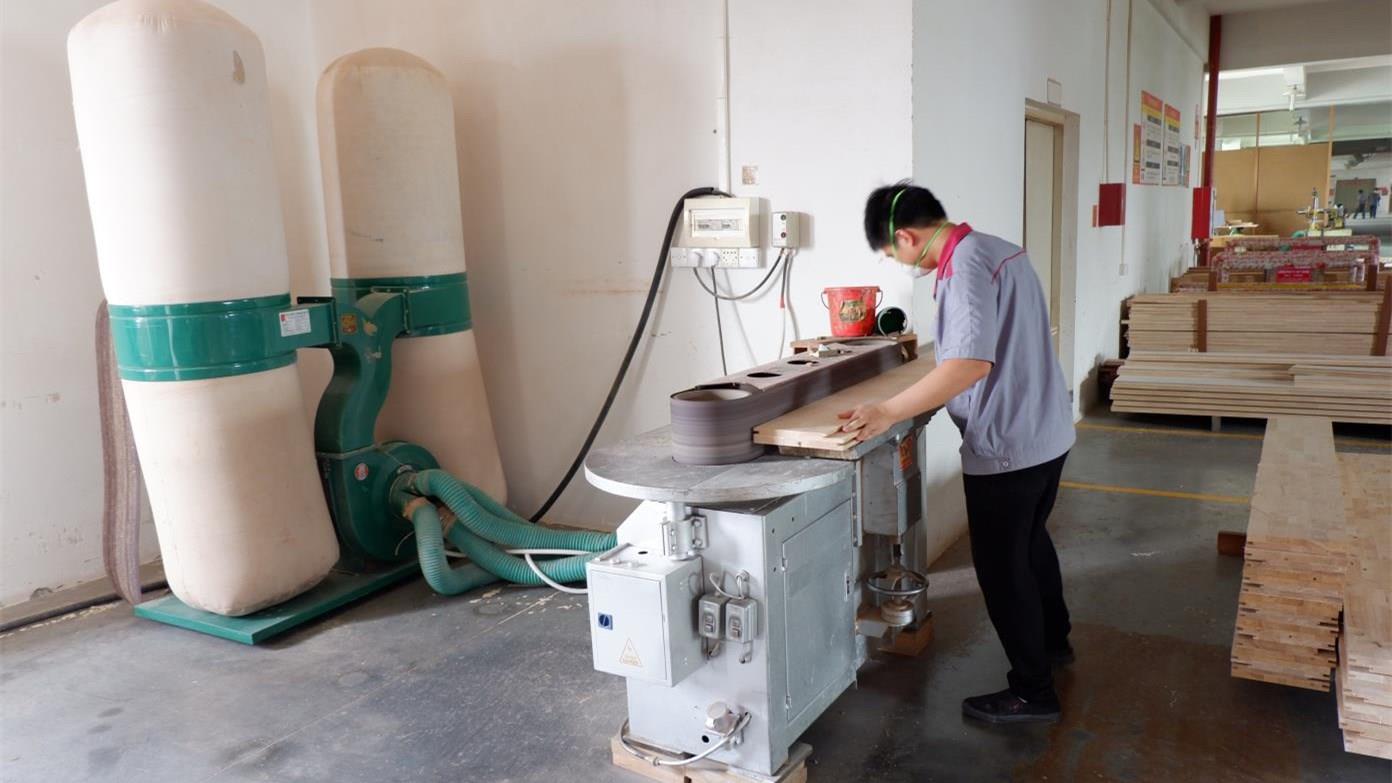
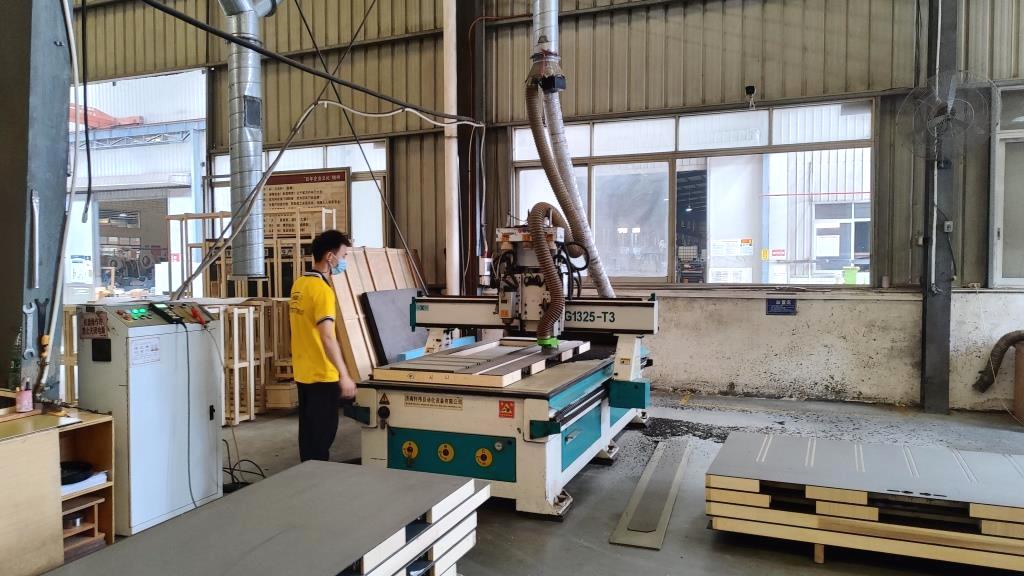
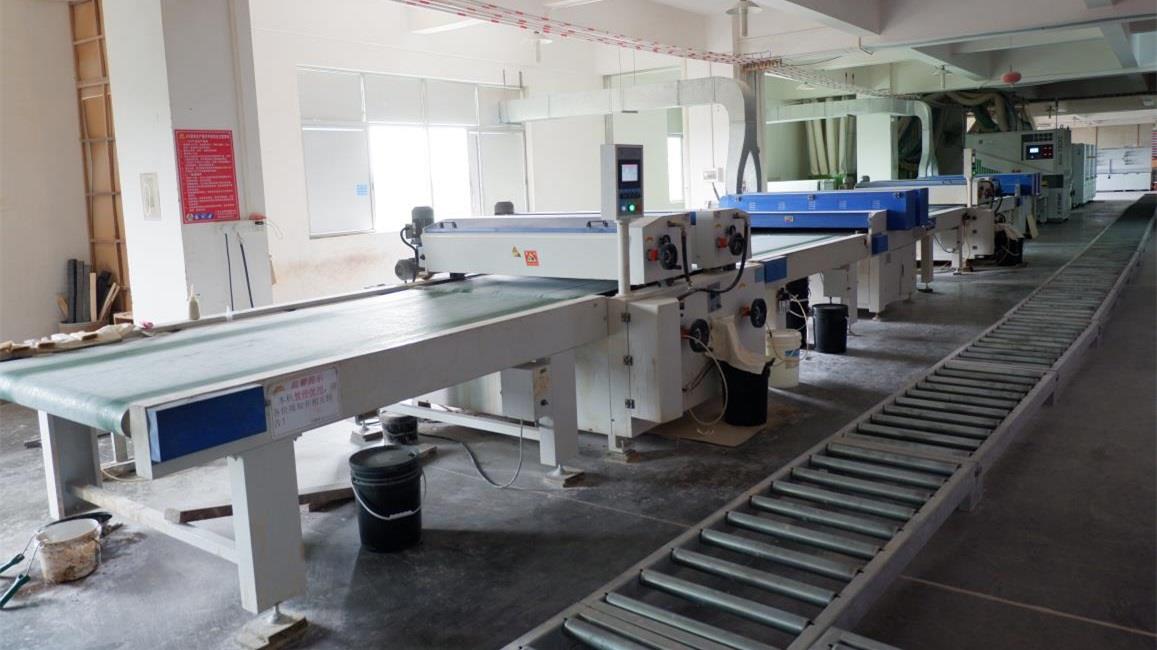
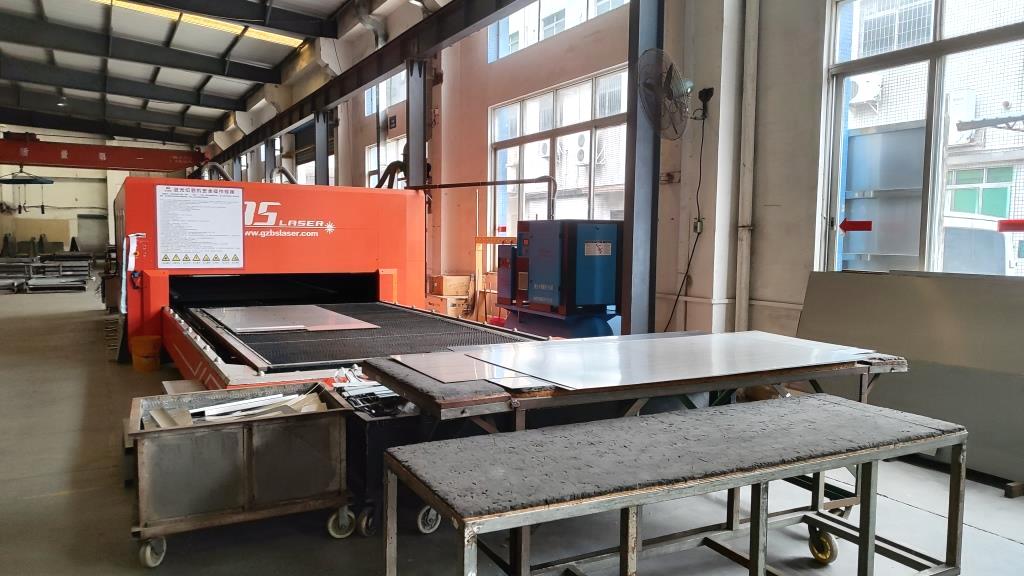
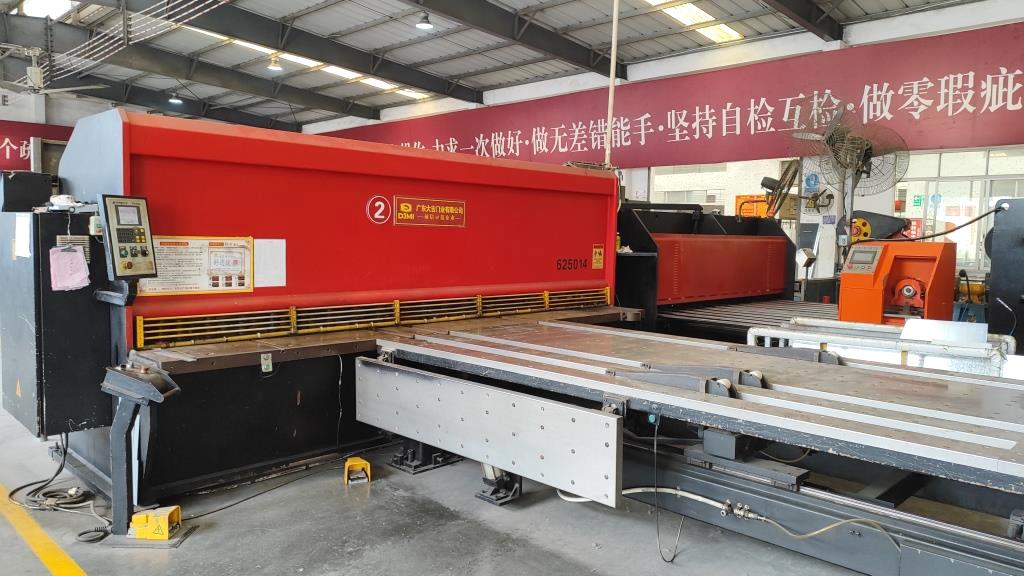
To continuously improve product quality and manufacturing efficiency, Larsom Door has invested heavily in advanced automated production equipment, including CNC laser cutting machines, CNC bending machines, automatic welding systems, high-speed turret punching machines, automatic sanding machines, and modern powder coating production lines. These advanced facilities, combined with strict quality control procedures, ensure that every door meets international quality standards.
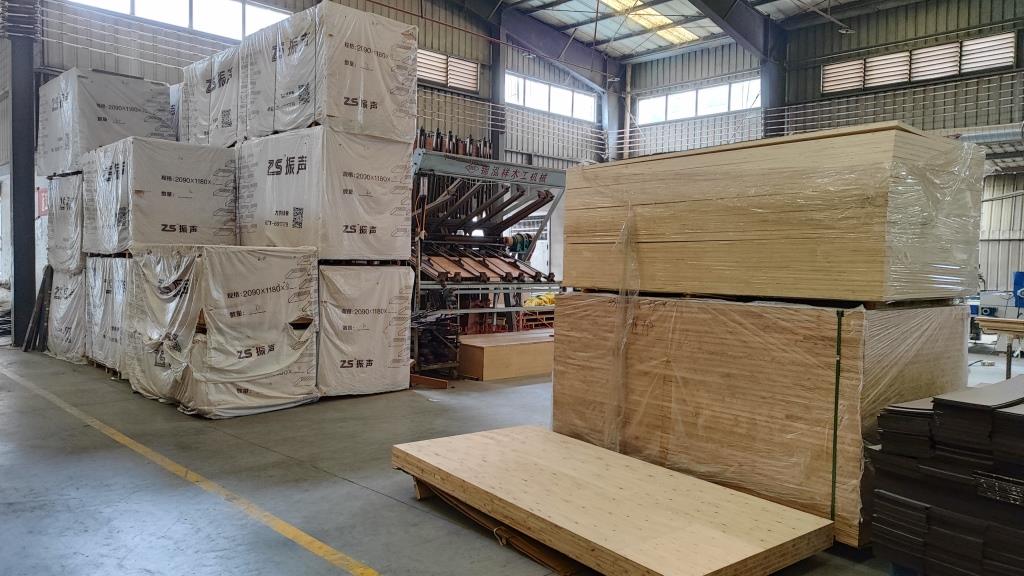
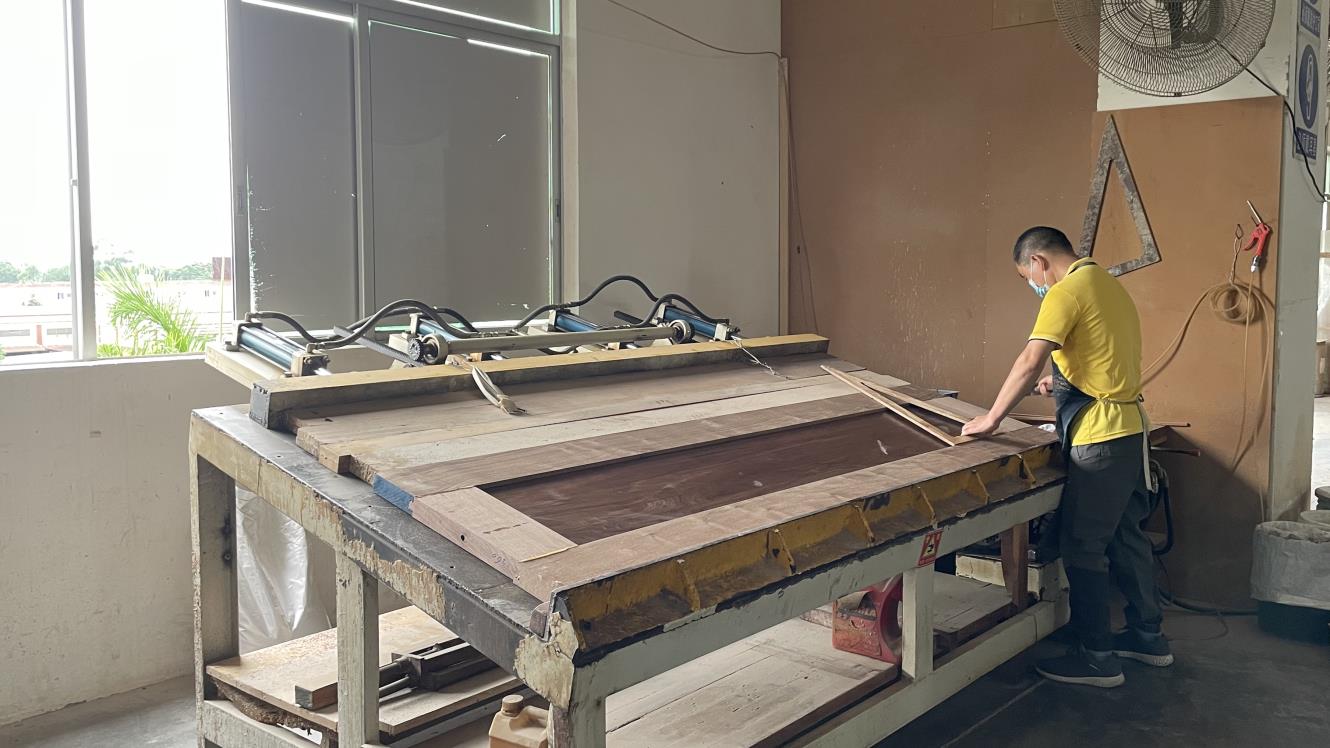
Quality is the foundation of Larsom's business. Larsom Door strictly implements comprehensive quality management throughout every production stage, from raw material selection to final quality check verification. Below is an interactive map of our advanced manufacturing workflow:
The concealed frame design space is transitioning from basic metal fabrication to advanced smart system engineering. The key technologies defining the roadmap for the next 5 years include:
Fully integrated flush-to-door biometric control panels. Facial recognition, hidden capacitive scanners, and secure motorized locks connecting directly with home automation networks (such as KNX or Zigbee).
Using ultra-lightweight structural aluminum honeycomb sandwich assemblies to minimize physical load on hidden pivots, ensuring lifetime leveling without sag.
Eliminating thermal bridging in heavy metal frames using polyamide isolation strips. This prevents interior moisture condensation and significantly improves building envelope U-values.
Exporting to over 130 countries requires deep compliance with localized building codes. The top global manufacturers verify performance metrics through accredited testing third parties to support project handovers:
Additionally, regional builders need precise detail packs, including BIM models (.rfa / .rvt formats) and CAD shop drawings. Leading manufacturers like Zhejiang Larsom Door Co., Ltd. offer dedicated technical teams to coordinate with local project architects, ensuring rough openings are prepared correctly for concealed structural configurations.
 Larsom Door