Engineered to deliver exceptional ballistic protection, acoustic isolation, and architectural integration.
Analyzing the paradigm shift in corporate physical security and the integration of certified ballistic systems.
In the contemporary global landscape, threat matrices facing commercial, corporate, and governmental installations have evolved dynamically. The requirement for physical security has escalated from rudimentary access control to specialized ballistic resistance. Bulletproof office doors, once restricted to military facilities and central banks, are now critical infrastructure elements in corporate headquarters, law offices, high-value asset manufacturing nodes, and diplomatic missions globally. This market expansion is driven by a heightened focus on risk mitigation, employee safety compliance, and stringent insurance mandates.
The manufacturing ecosystem for ballistic doors demands a high degree of technical precision. Unlike standard security assemblies, bulletproof door sets must undergo rigorous testing to achieve validation under globally recognized testing frameworks. Chief among these are the Underwriters Laboratories (UL 752) standard in North America and the European Committee for Standardization (CEN EN 1522/1523) ratings. High-end exporters must demonstrate absolute compliance to these parameters, which regulate not only the resistance of the core panel material but also the continuity of defense across glazing, frames, locking mechanisms, and structural anchorage points.
Architects and security consultants frequently overlook spall transmission—the phenomenon where bullet fragments or core material splinter from the unattacked side of a door. High-performance manufacturers incorporate dedicated polycarbonate layers or specialized aramid backing plates behind ballistic steel cores. This captures energy and fragments, mitigating secondary injuries to occupants.
Exemplifying state-of-the-art structural security production capabilities and international OEM/ODM expertise.
Zhejiang Larsom Door Co., Ltd. is an elite professional manufacturer specializing in the advanced research, development, engineering, and global export of high-grade security doors, armored doors, steel-wood composite solutions, and customized ballistic entry barriers. Dedicated to safeguarding high-risk assets and executive workspaces worldwide, the enterprise has established a highly vertical, modern production center covering over 16,000 square meters of state-of-the-art production lines, supported by a specialized workforce of more than 160 skilled engineers, metallurgists, and technical experts.
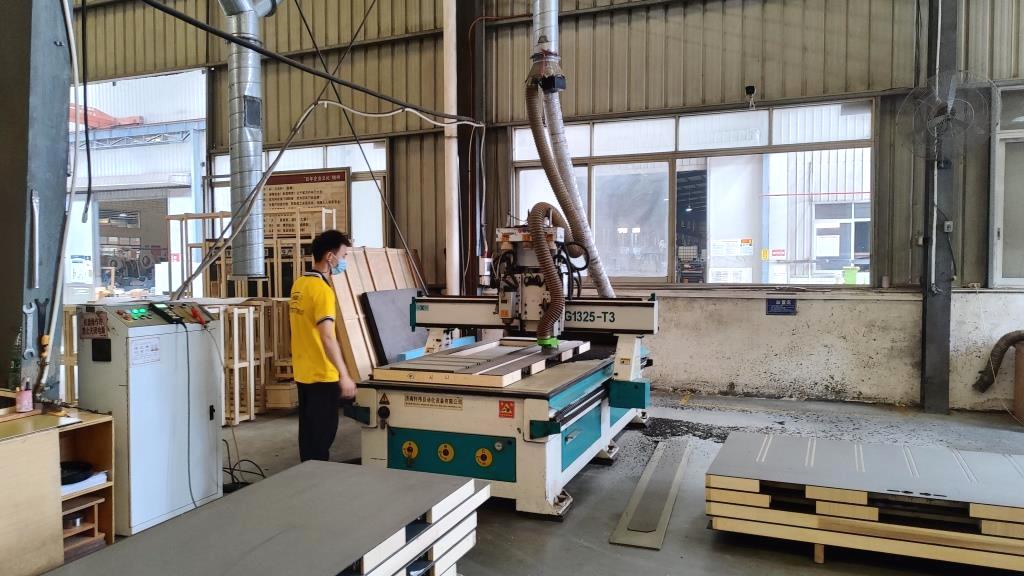
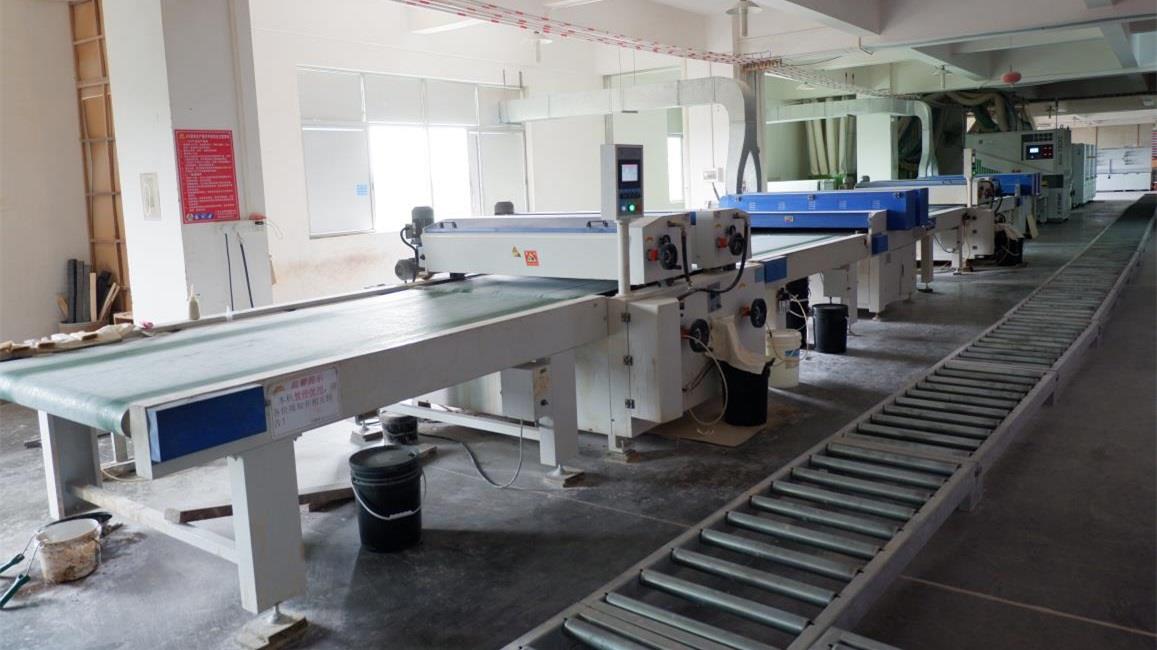
Larsom Door's baseline operational threshold exceeds a capacity of 200 premium sets daily, ensuring agile supply lines for large-scale commercial real estate developments, public sector tenders, and custom residential compounds. To continuously pioneer high-performance architectural defense, Larsom has integrated premium fabrication machinery including high-speed CNC laser cutters, precise CNC bending systems, automated multi-point welding rigs, automated surface sanding systems, and automated electrostatic powder coating lines.
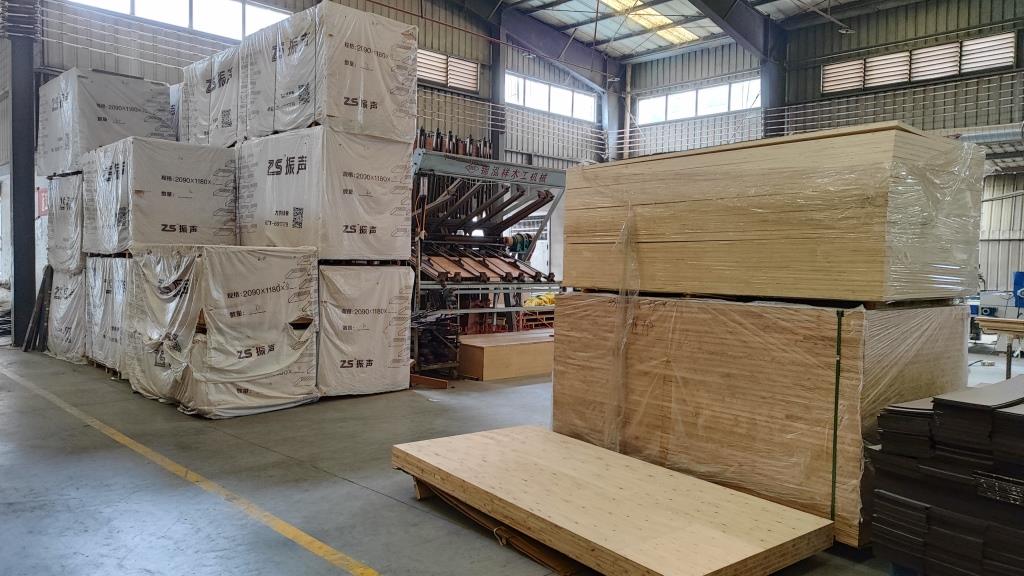
Exporting to over 130 countries and regions across Europe, the Middle East, Africa, South America, and Central Asia, Larsom has developed custom compliance solutions for varying regional building codes, fire regulations, and bulletproof standards. By providing comprehensive OEM and ODM capabilities, Larsom acts as a manufacturing partner for security integrators, commercial construction corporations, and global wholesale procurement networks.
Step-by-step technical breakdown of heavy security door fabrication, ensuring mechanical tolerance and bulletproof integrity.
Maintaining ballistic protection levels requires microscopic tolerances. Any gap or structural compromise in the door's core material creates a weak point. Below is the precise technological flow deployed within our advanced production ecosystem, ensuring structural alignment and strict compliance with global certifications.
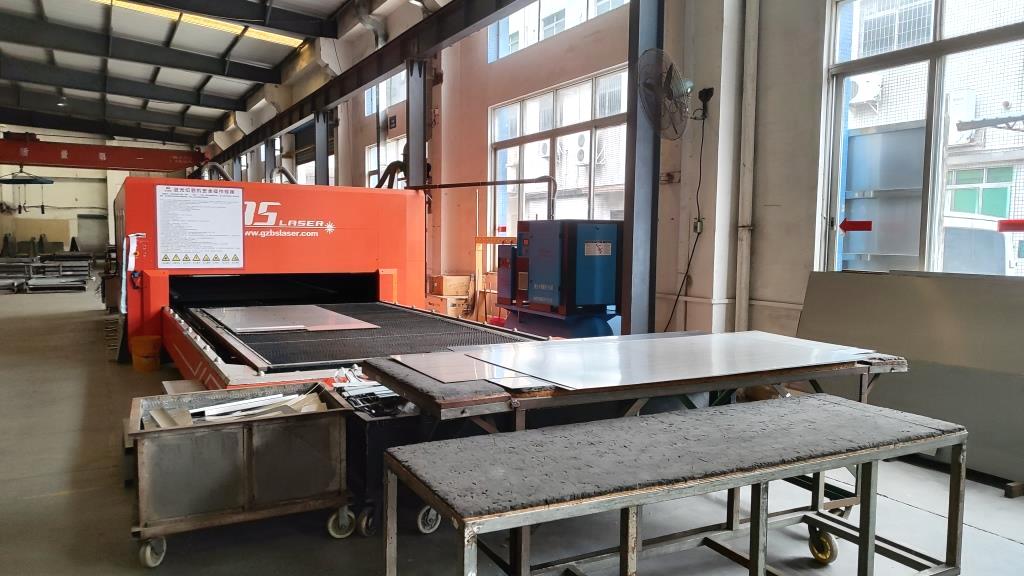
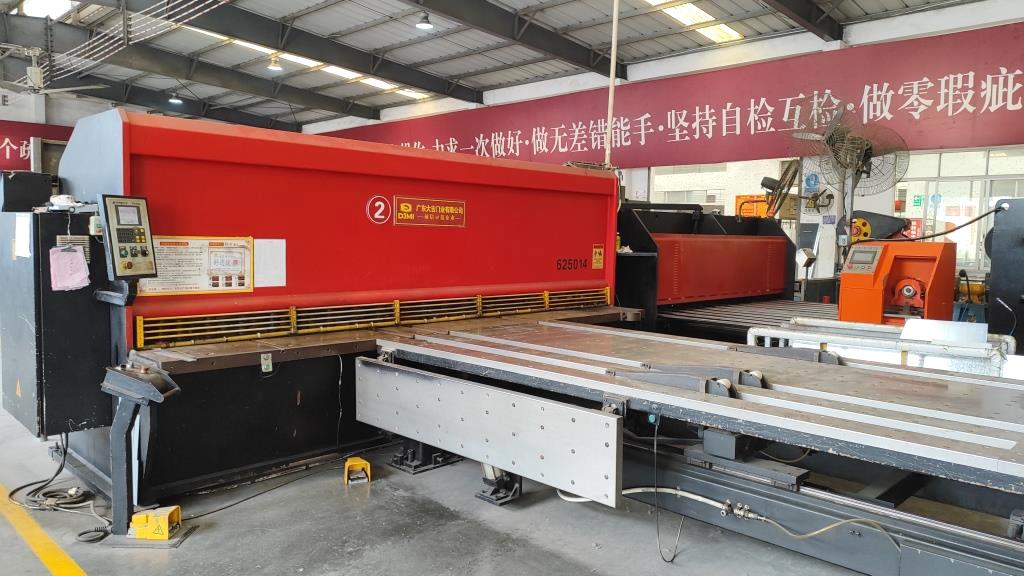
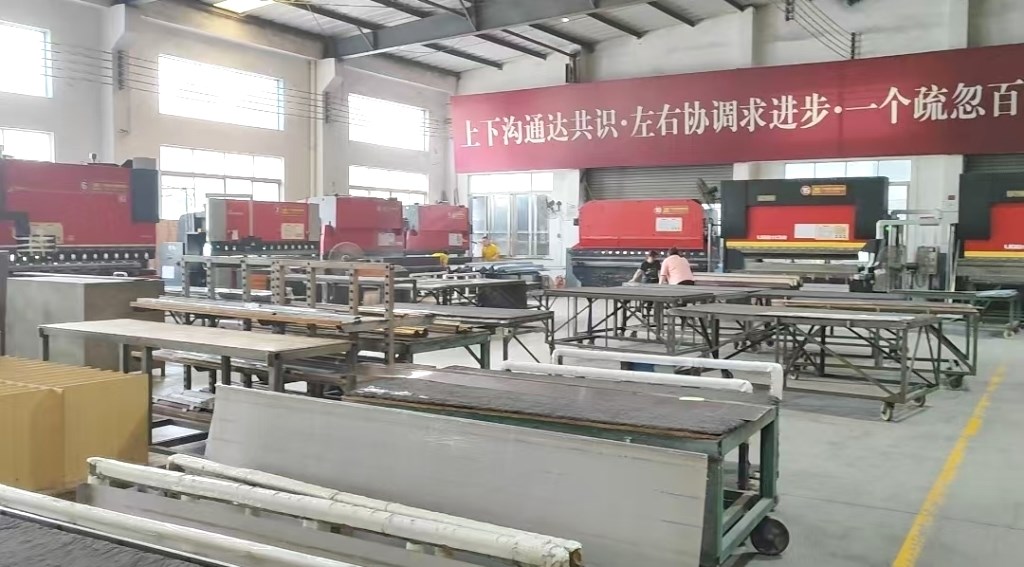
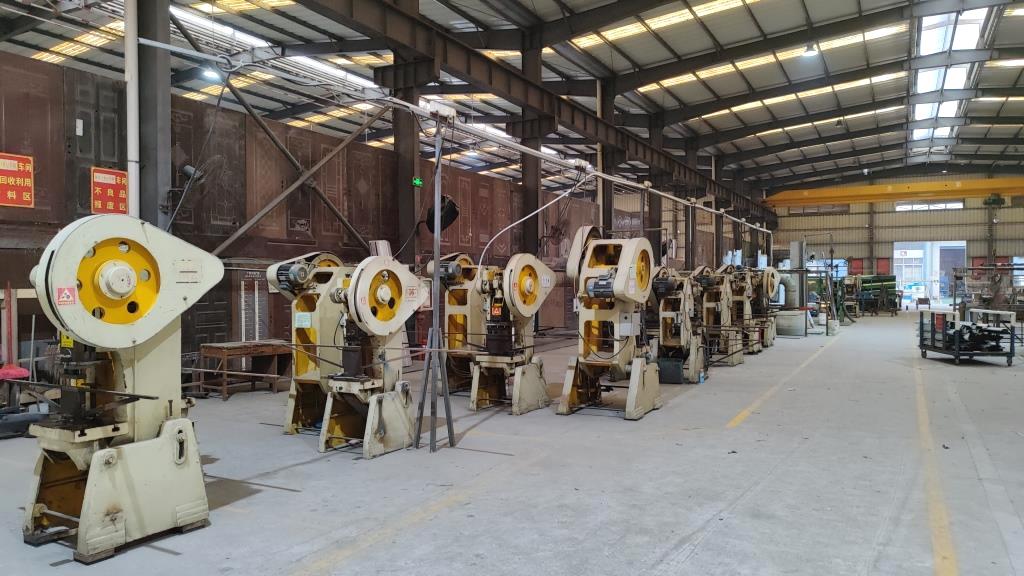
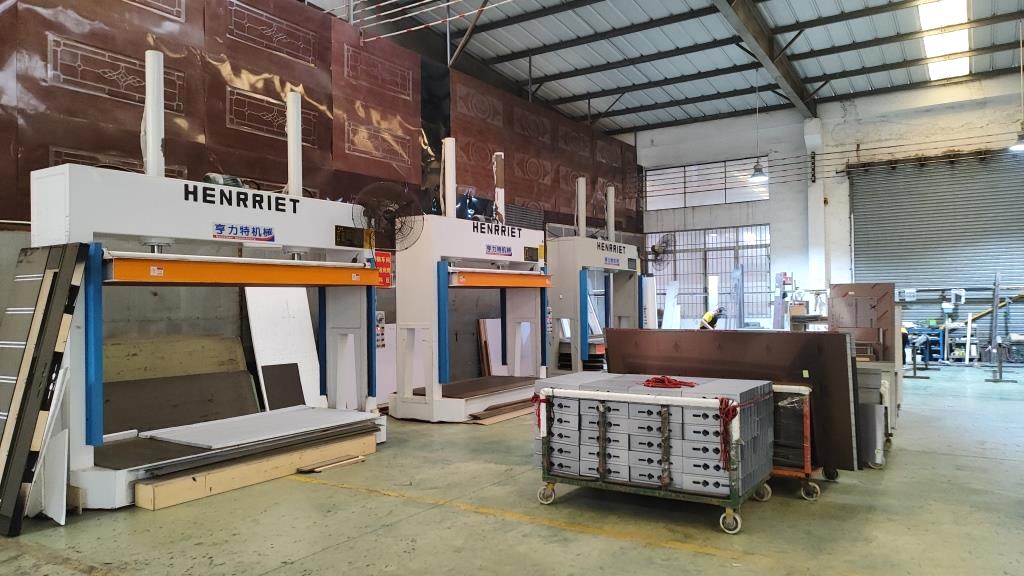
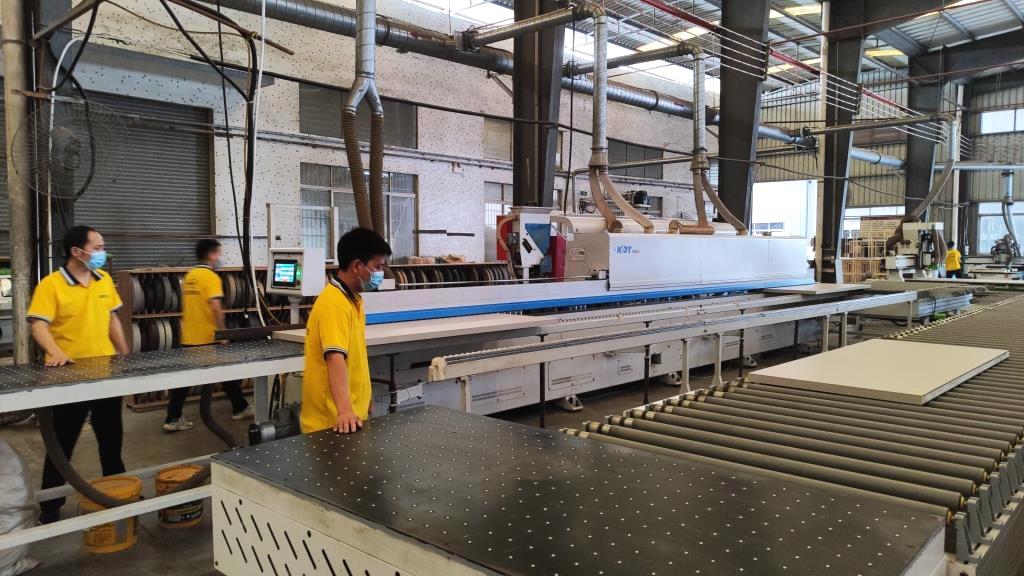
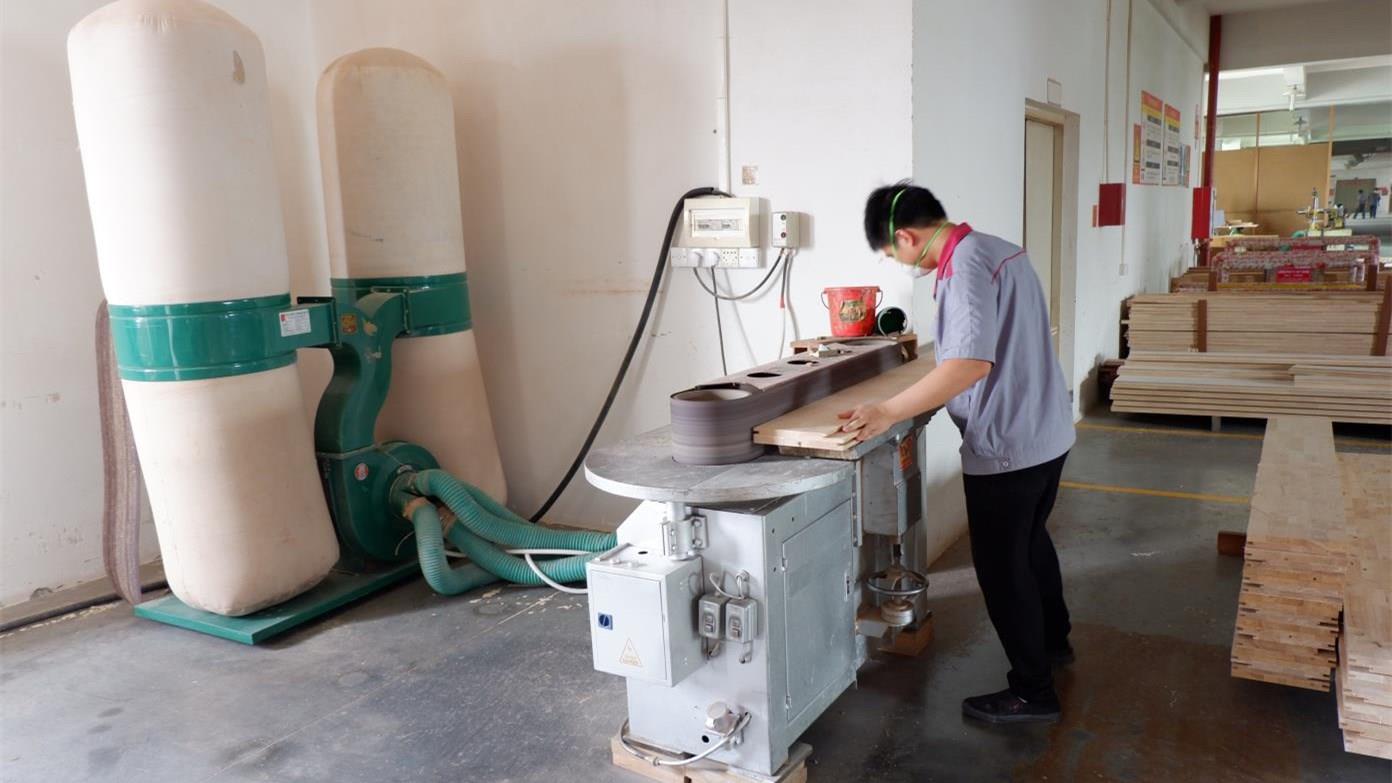
An expert analysis of physical security parameters, structural materials, and target threat levels.
Engineering a bulletproof office door requires managing two opposing variables: **structural weight** and **ballistic defense**. Heavy doors provide high levels of protection but can cause issues with hinges and usability. Conversely, lightweight doors may fail to protect against multiple rounds or high-caliber weapons.
To balance these factors, manufacturers use layered composite systems. Instead of relying solely on heavy steel plates, modern bulletproof doors utilize a combination of energy-absorbing and hardening materials:
| Material Layer | Functionality | Typical Thickness | Advantage |
|---|---|---|---|
| Hardened Ballistic Steel (e.g., AR500) | Initial kinetic impact dispersion; projectile deformation. | 4.0mm to 8.0mm | High multi-hit durability. |
| S-2 Glass / E-Glass Reinforced Phenolic | Delamination energy absorption; projectile containment. | 12mm to 20mm | Reduces overall weight; resists spall. |
| Polycarbonate / TPU Interlayers | Acts as a spall guard on the protected side. | 3.0mm to 6.0mm | Stops micro-shrapnel and fragments. |
| Dense Rockwool / Acoustic PU | Acoustic isolation & thermal insulation. | 30mm to 50mm | Provides fire ratings and soundproofing (up to STC 45). |
When selecting a manufacturer, match the protection level to the local threat matrix. In standard corporate environments, UL 752 Level 3 (resisting .44 Magnum) is typically the standard for executive offices. For high-threat embassies, banking vaults, or critical government buildings, UL 752 Level 8 or EN 1522 FB6/FB7 (resisting 7.62x51mm NATO rounds) is the preferred specification.
Tailored physical entry control and safety solutions for modern commercial facilities.
The industry is moving toward smart, connected access control systems. Next-generation bulletproof office doors feature electromagnetic locks, biometric scanning, and motorized closing mechanisms. These systems can lock automatically in active shooter events. These assemblies must also meet emergency exit codes, ensuring the door remains secure against outside threats while allowing safe egress from within.
Addressing primary architectural, procurement, and technical queries regarding ballistic door systems.
Browse our catalog of modern pivots, sliding patio systems, eco-friendly interior panels, and heavy-duty armor.
 Larsom Door