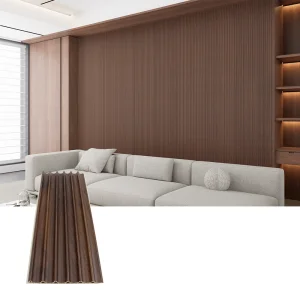
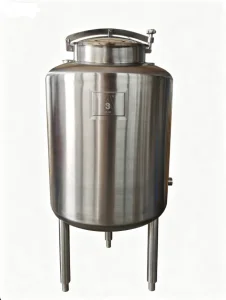
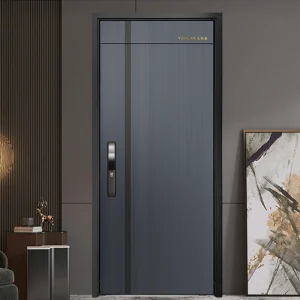
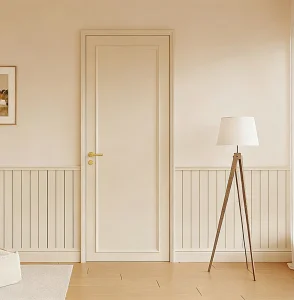
Explore our flagship commercial and residential entrance systems engineered for robust structural resistance, fire mitigation, sound dampening, and sophisticated modern interior styling.
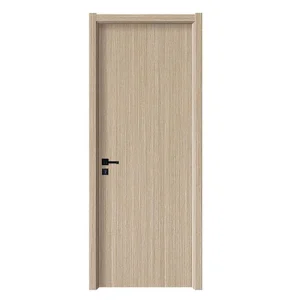
How energy conservation, material physics, and manufacturing robotics drive the next generation of building envelope solutions.
Modern glass doors no longer act as thermal holes. The industry relies heavily on multi-chambered polyamide thermal breaks within the aluminum extrusions. By separating the interior and exterior aluminum profiles, thermal bridging is effectively eliminated, helping projects achieve aggressive U-factor requirements set by international building codes.
Multi-layered laminated glazing combined with varied glass pane thicknesses is crucial for reducing high-frequency city noise. Integrated PVB (Polyvinyl Butyral) interlayers dampen vibration, achieving high Sound Transmission Class (STC) ratings essential for premium office environments and luxury urban villas.
Aluminum's durability relies on high-grade finishes. Factories apply architectural powder coatings complying with Qualicoat Class 2 & 3 or AAMA 2605 standards. Fluorocarbon (PVDF) electrostatic spraying and deep anodizing guarantee salt-spray resistance, UV stability, and anti-corrosion properties in coastal zones.
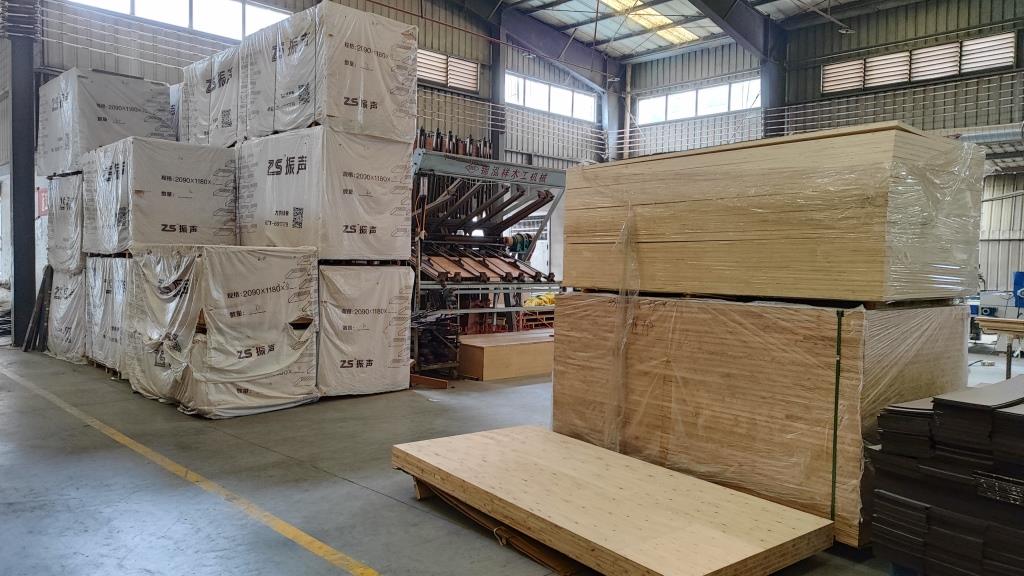
Zhejiang Larsom Door Co., Ltd. is a leading manufacturer specializing in the research, development, engineering, and global export of advanced security doors, architectural armored entries, robust steel-wood doors, and specialized aluminum frame glass systems. Guided by the core principle of "Precision Engineering & Structural Excellence", we provide resilient, aesthetic entrance systems tailored to meet challenging weather conditions and high-traffic use cases.
Spanning an industrial footprint of over 16,000 square meters, our facilities are equipped with automated production machinery. Over 160 skilled professionals manage our operations, providing custom CAD/BIM support, strict quality monitoring, and on-time shipment for complex B2B developments worldwide.
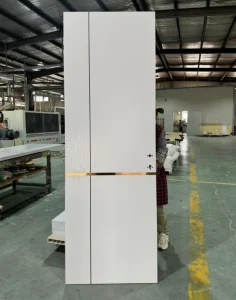
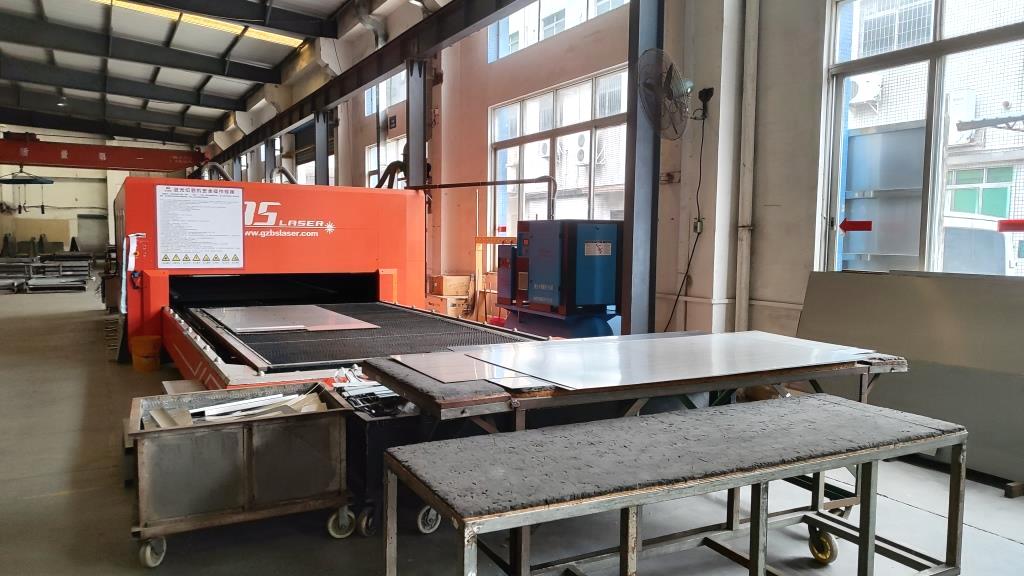
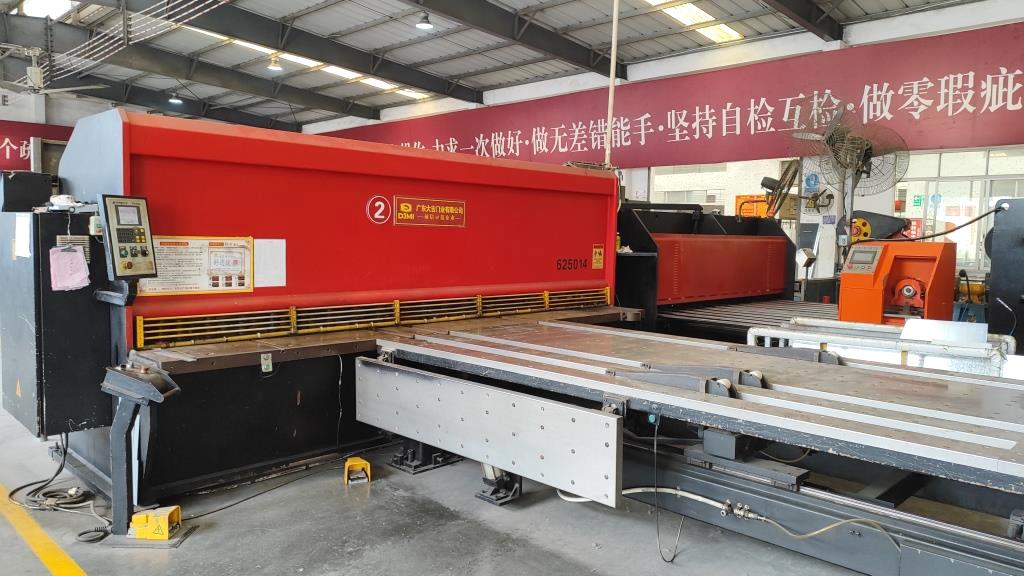
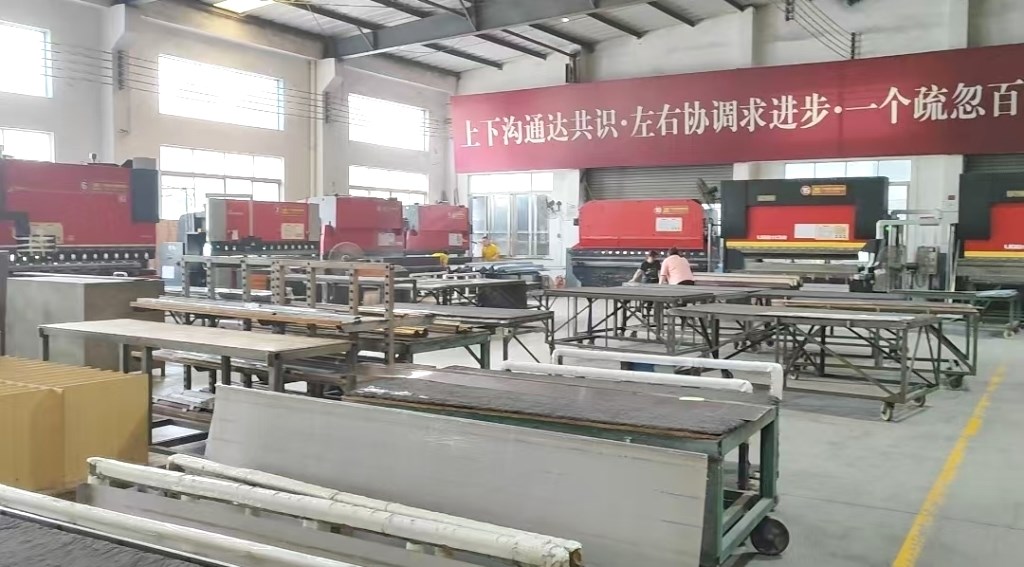
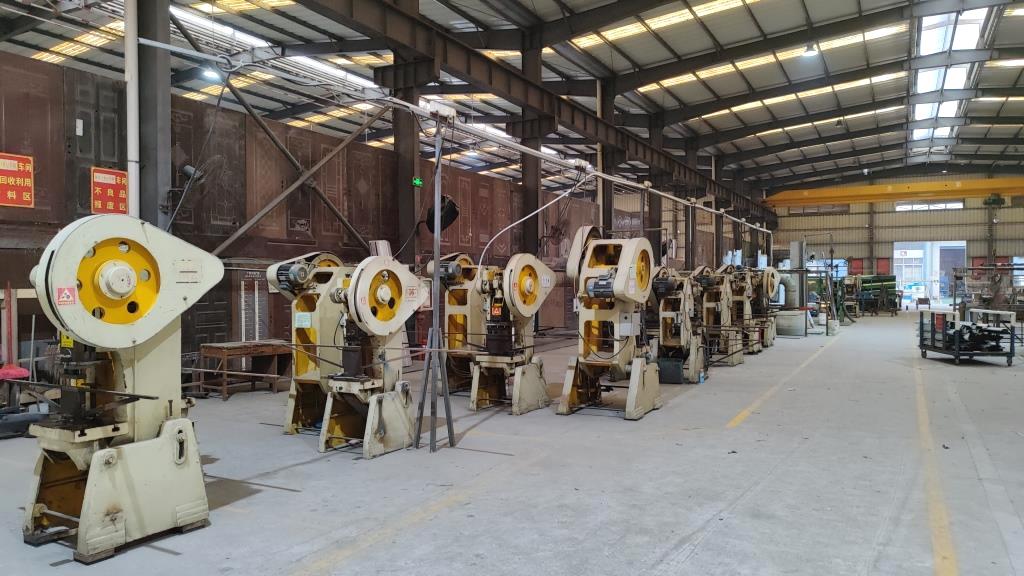
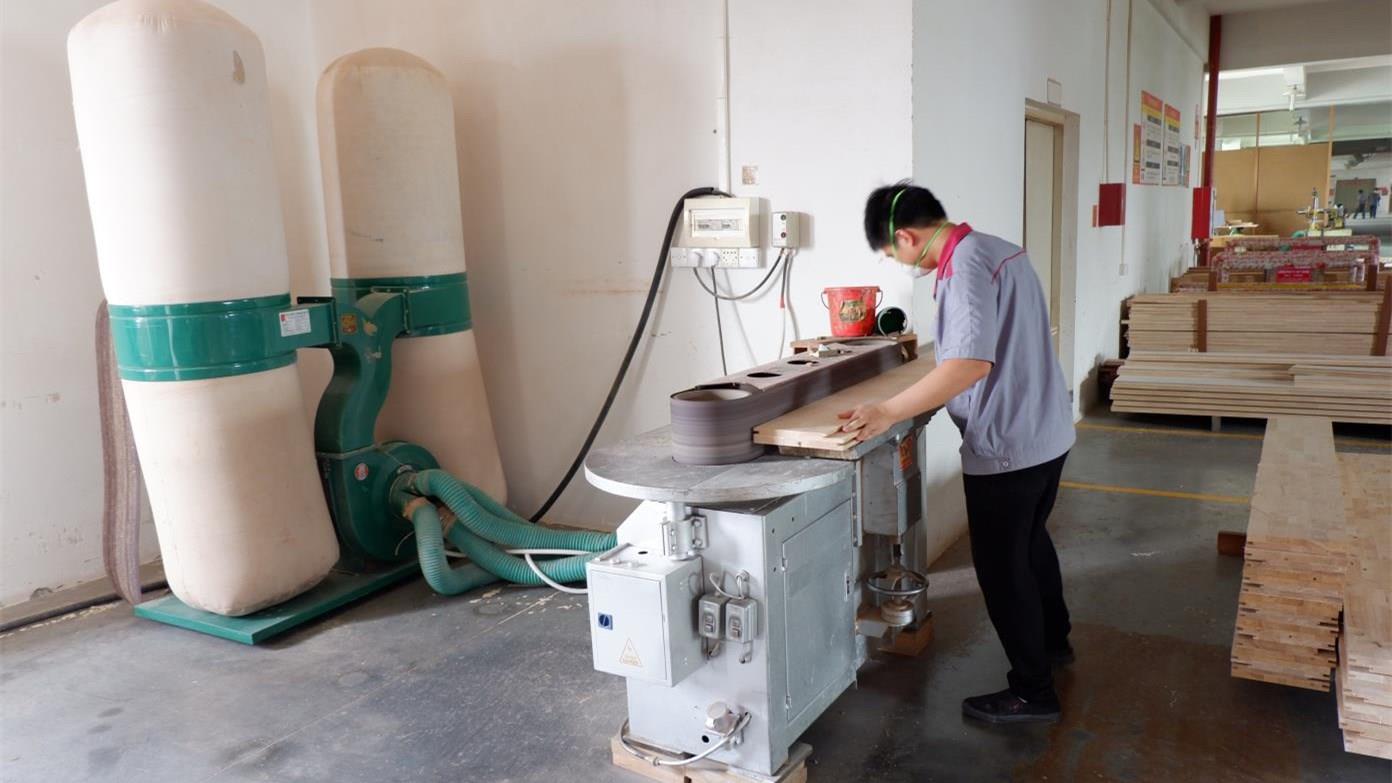
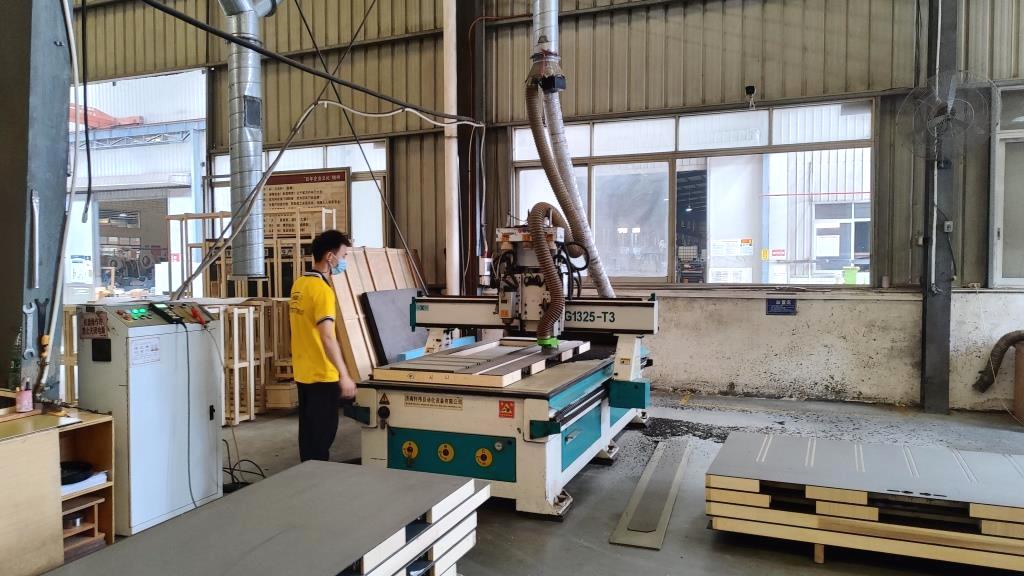
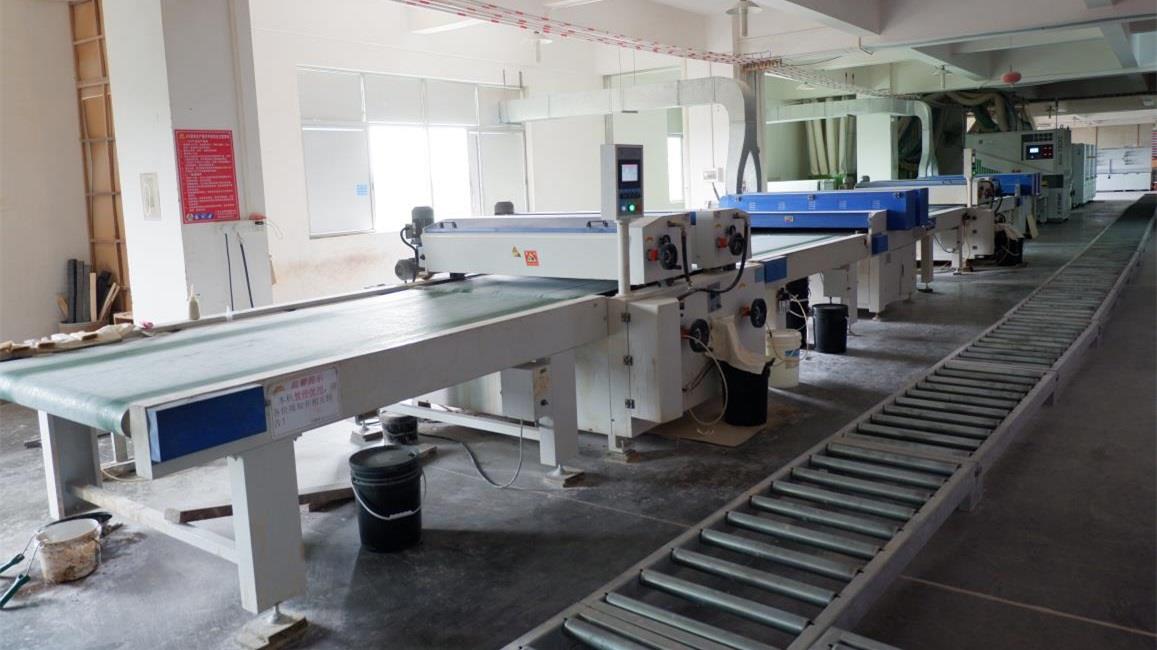
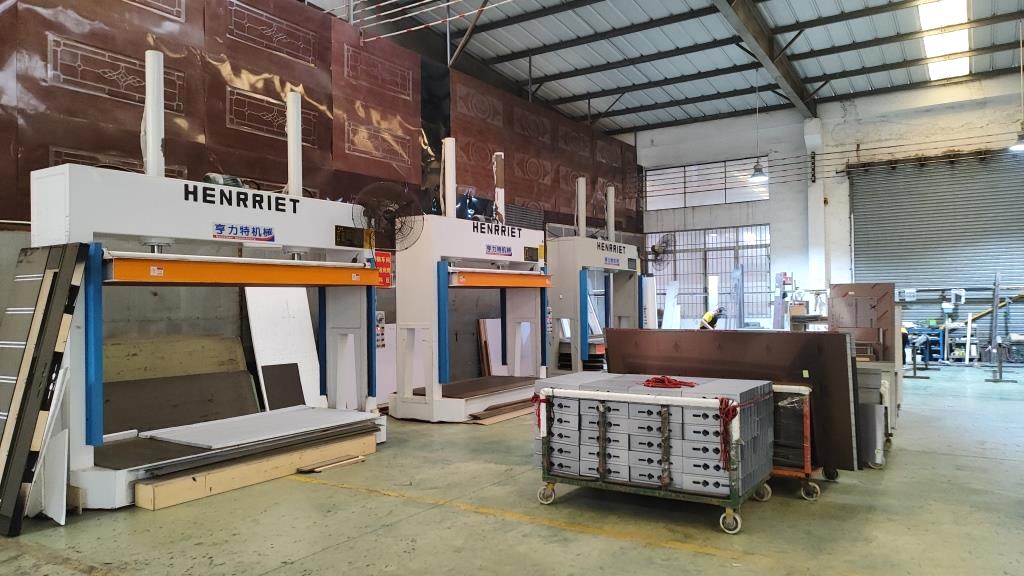
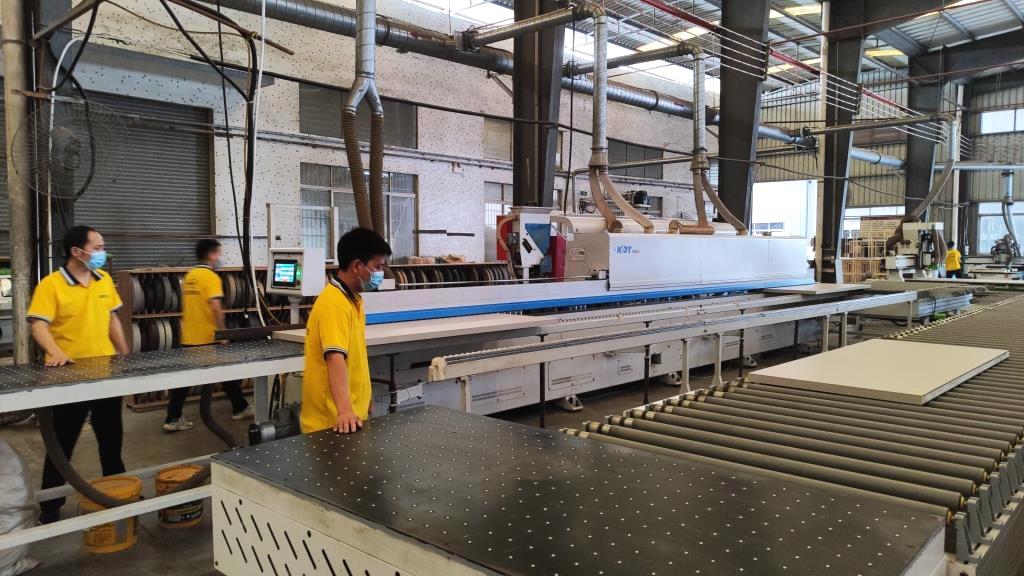
Our ongoing investment in production technology includes CNC laser cutters, high-tonnage CNC bending machines, automated welding systems, turret punching stations, and precision electrostatic powder-coating lines. These assets minimize structural tolerance errors to within 0.1mm, ensuring alignment and smooth operation across large-format glass systems.
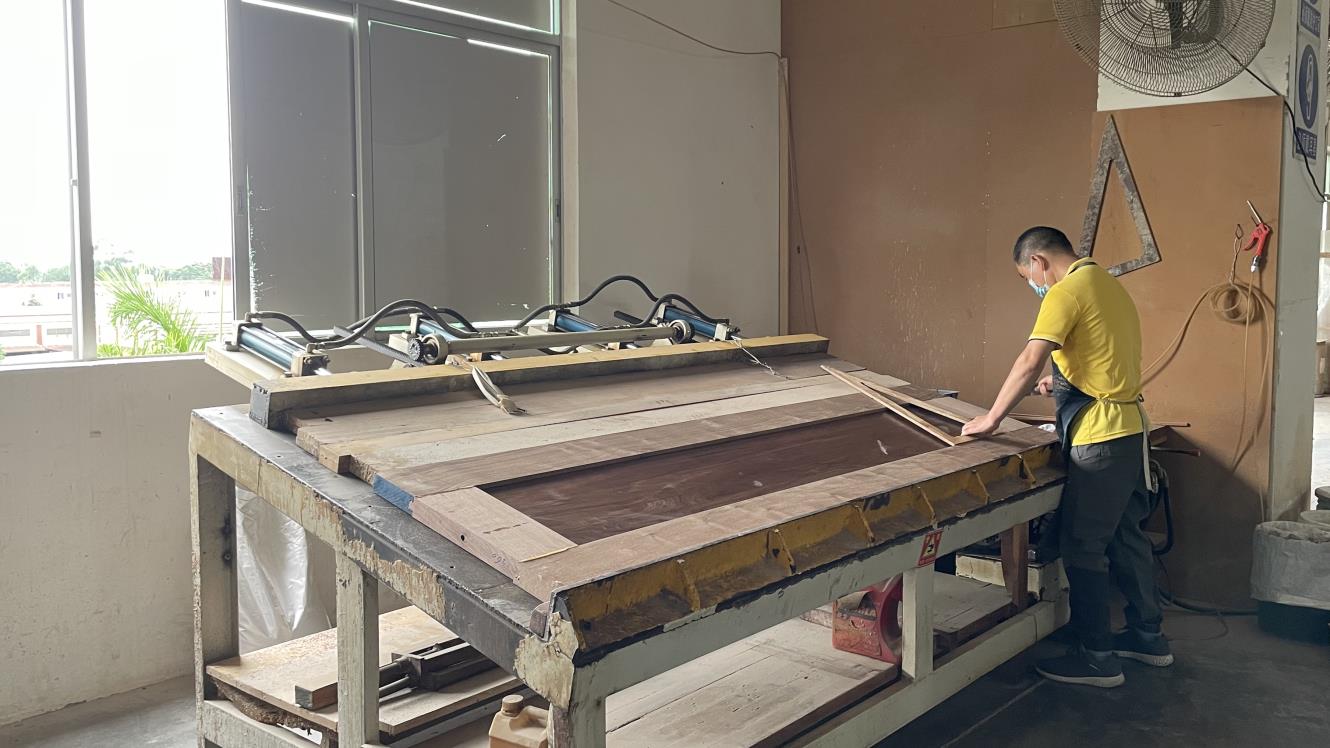
A step-by-step visual overview of our manufacturing procedures, ensuring each door component meets high standards for structural flatness, durability, and visual consistency.
A reference checklist for architects, structural engineers, and sourcing directors evaluating premium aluminum glass doors.
Sourcing large glass configurations requires verifying several technical parameters. Selecting incorrect wall thicknesses or inadequate alloy grades can lead to sagging frame profiles and seal failures over time. Review the table below for standard parameters:
| Evaluation Parameter | Standard Performance Range | Premium Architectural Specification | Testing Standards & Methodologies |
|---|---|---|---|
| Alloy Grade & Temper | 6063-T5 Extruded Aluminum | 6063-T6 or 6061-T6 High Tensile | ASTM B221 / EN 755-2 |
| Profile Thickness | 1.4mm to 1.8mm | 2.0mm to 3.0mm (Heavy Duty Duty) | GB/T 5237 / AAMA Compliant |
| Glass Configuration | 5mm + 9A + 5mm Tempered Clear | 6mm Low-E + 12Ar + 6mm Laminated | SGCC / EN 12150 / CE Marked |
| Acoustic Performance | STC 28 - STC 32 | STC 38 - STC 45 (Highly Acoustic) | ASTM E90 / ISO 10140 |
| Thermal Transmittance | U-Factor 1.8 - 2.2 W/m²K | U-Factor 0.9 - 1.4 W/m²K (Thermal Break) | NFRC 100 / ISO 10077 |
| Air & Water Leakage | Class 3 Air infiltration limit | AAMA Class AW (Acoustical & Weatherproof) | ASTM E283 / ASTM E331 |
Tailored engineering solutions for specific structural demands, layout constraints, and building typologies.
Our slim-profile aluminum doors create flexible work environments, maximizing natural light distribution. They feature integrated acoustic gaskets and narrow stiles, combining modern aesthetic design with acoustic privacy.
For custom villa projects, we supply large-format sliding, bi-fold, and pivot entry doors. Utilizing heavy-duty multi-point locking hardware and low-emissivity glass coatings, we balance security, wind-load capacity, and thermal comfort.
Engineered for high-frequency public usage, these systems feature concealed self-closing mechanisms, panic exit hardware, and structural framing. This guarantees long-term durability and compliance with emergency exit standards.
Our engineering vision: Integrating smart access, carbon reduction, and dynamic materials into modern glass doors.
To support green building certifications (LEED, BREEAM), we are transitioning our product lines to recycled aluminum alloys processed with renewable energy. This reduces the embodied carbon of each door profile by up to 50% without compromising structural tensile strength.
Our R&D division is integrating dynamic smart glass interfaces. Users can transition the glass from clear to opaque via mobile applications or building automation systems, eliminating the need for traditional blinds in conference areas.
We are engineering frame profiles designed to house electronic lock systems. This includes facial recognition, RFID, and remote access systems, providing clean installations for high-security applications.
Technical answers to common engineering, procurement, and shipping queries.
For high-frequency commercial entries, a profile wall thickness between 2.0mm and 3.0mm is recommended. This provides the structural integrity needed for heavy glass assemblies and prevents frame sagging from repeated cycles.
Thermal breaks utilize a low-conductive polyamide strip inserted between the interior and exterior aluminum profiles. This isolates the frame components, preventing thermal bridging and reducing the energy load on HVAC systems.
Yes. By utilizing insulated glass units (IGUs) with asymmetric glass panes, laminated polyvinyl butyral (PVB) or acoustic interlayer films, and multi-point compression seals, we can manufacture door systems to meet specified STC targets.
For high-salinity coastal environments, we recommend PVDF (fluorocarbon) finishes or Class 2/3 powder coatings. These provide superior resistance to salt spray and atmospheric corrosion compared to standard finishes.
Standard production cycles range from 30 to 45 days upon CAD drawing sign-off and receipt of deposit. Complex customized assemblies requiring unique profile extrusion molds may extend the lead time by 15-20 days.
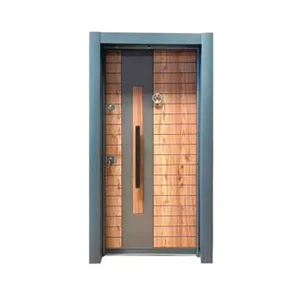
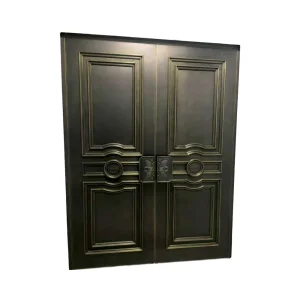
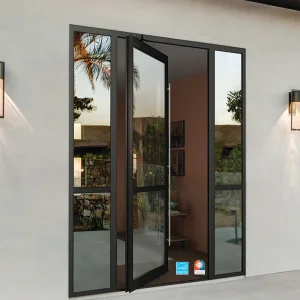
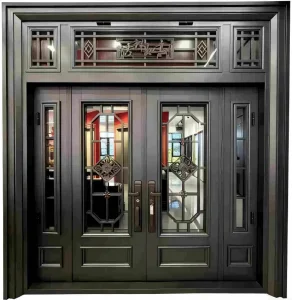
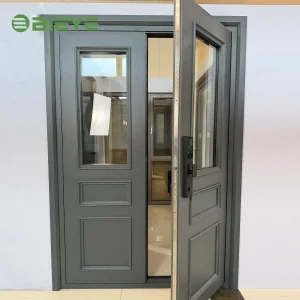
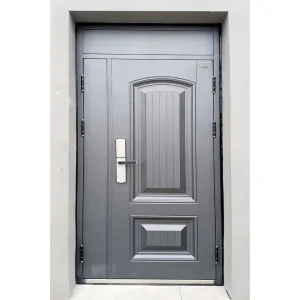
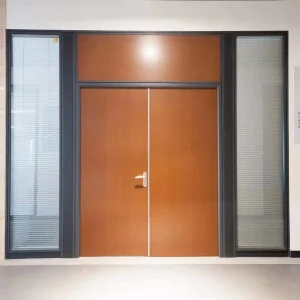
Discover our specialized range of armored security systems, architectural glass pivots, and heavy-duty steel entries designed for residential and commercial spaces.
 Larsom Door