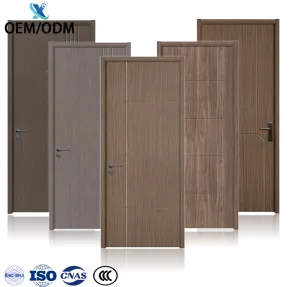
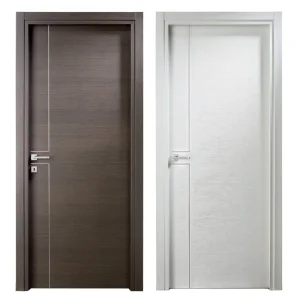
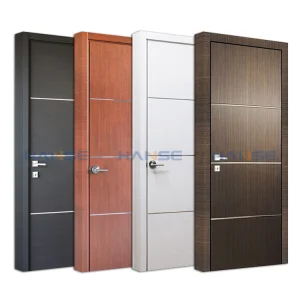
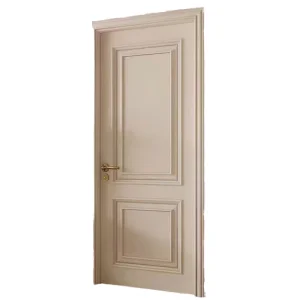
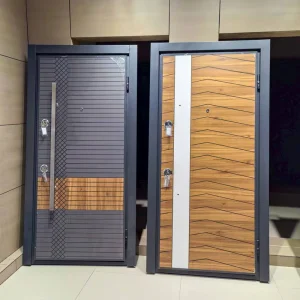
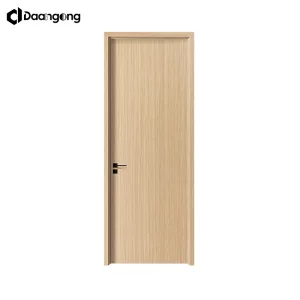
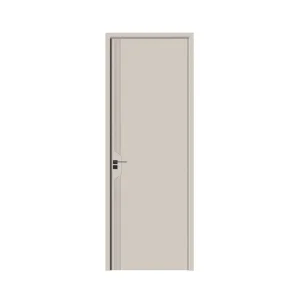
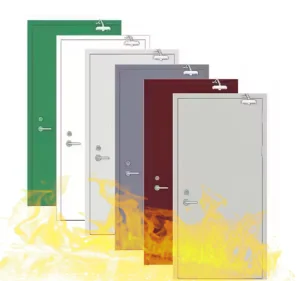
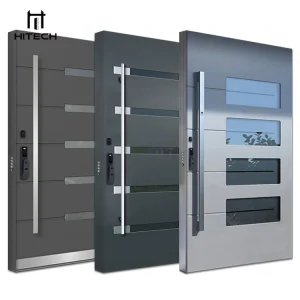
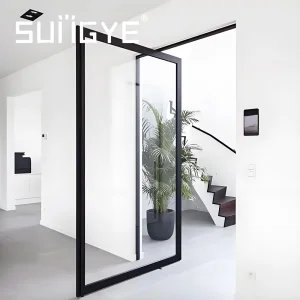
Discover our leading architectural selections, from high-performance composite entrance units to sustainable interior flush configurations.
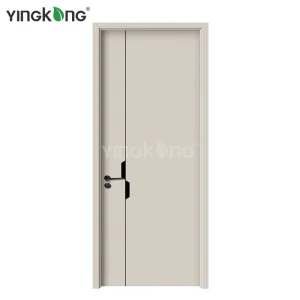
In modern commercial construction and sustainable real estate development, traditional raw materials such as solid timber and standard Medium Density Fiberboards (MDF) present inherent physical vulnerabilities. Exposure to fluctuations in humidity, termitic infestations, and dimensional instability significantly undermine their service lifespans. As a direct response to these industry pain points, Wood Plastic Composite (WPC) technology has emerged as a premier standard for high-traffic interior doors.
WPC is an engineered material synthesized from a precise, homogeneous matrix of ultra-fine wood dust or natural lignocellulosic fibers, fused with thermoplastic polymers such as polyvinyl chloride (PVC) or polyethylene (PE). Through high-temperature co-extrusion and profile molding processes, these materials undergo a structural phase change. By encapsulating cellulose fibers within the polymer matrix, WPC retains the visual warmth and structural heft of wood while gaining the hydrophobic, biological, and chemical resistance of synthetic polymers.
From an ecological standpoint, WPC doors fulfill the criteria of a circular economy. They utilize agricultural by-products and post-industrial recycled plastics, reducing reliance on virgin timber harvesting. Consequently, WPC door systems directly contribute to LEED certifications and comply with the increasingly strict global decarbonization mandates.
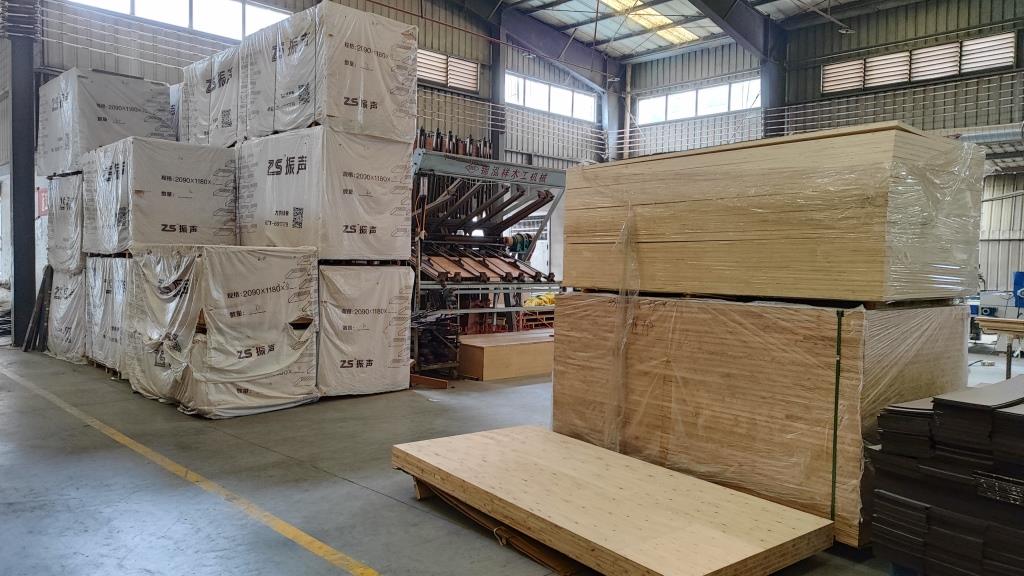
How geographic manufacturing ecosystems enable unparalleled cost efficiencies and high-capacity execution for global procurement.
Chinese manufacturing hubs, particularly in industrial corridors like Zhejiang, concentrate raw chemical suppliers, timber processing facilities, and hardware innovators within a localized footprint. This proximity minimizes logistical latency, guarantees stable material supply chains, and mitigates raw material price volatility.
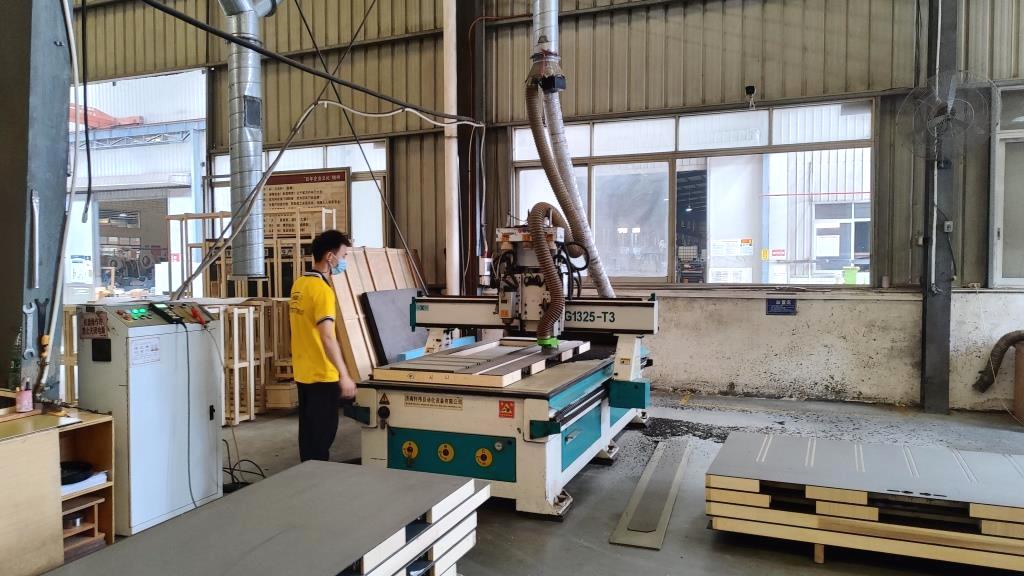
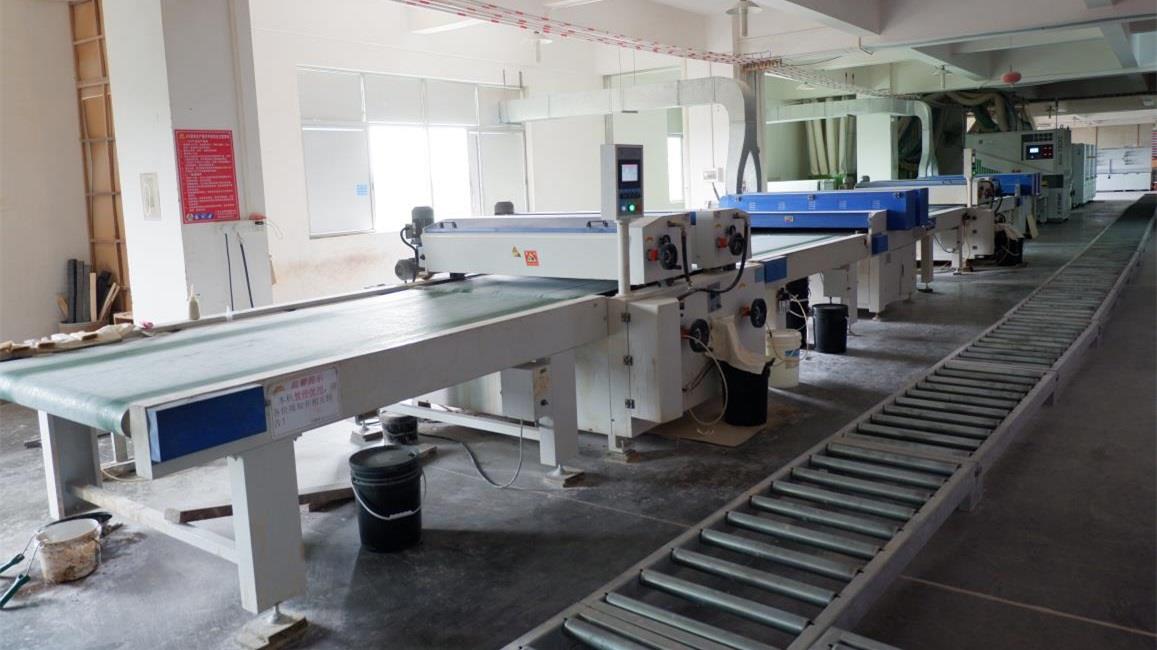
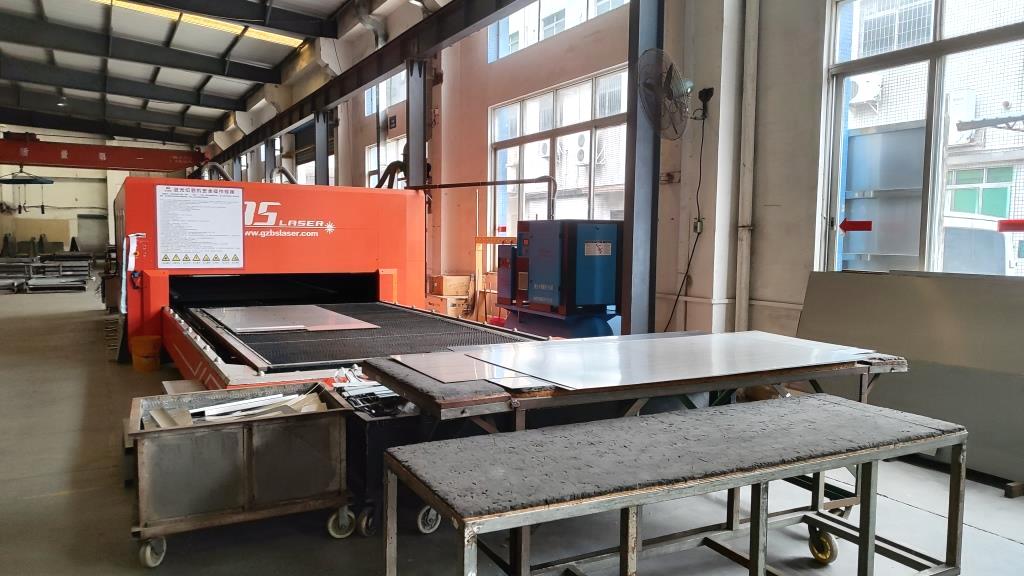
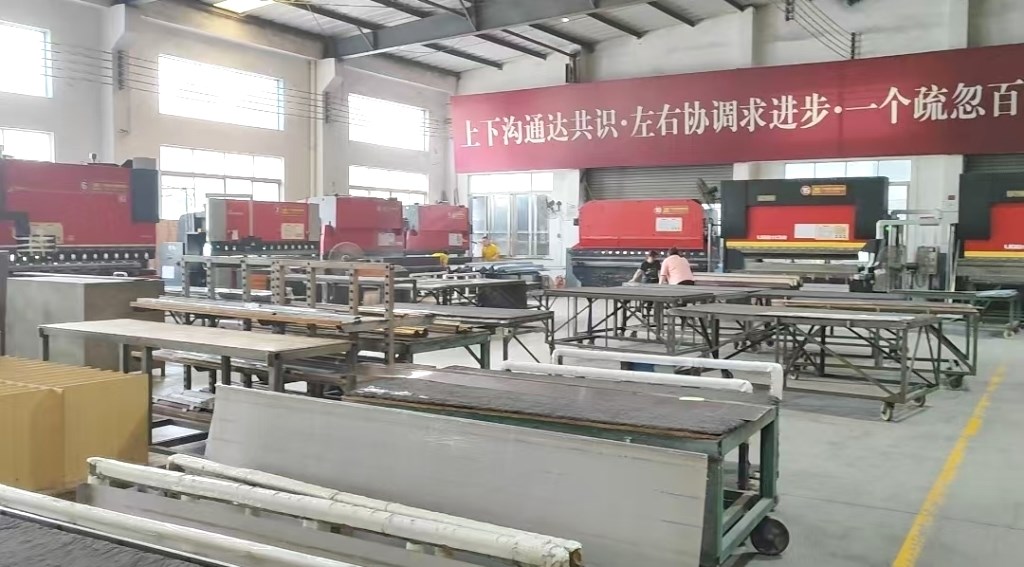
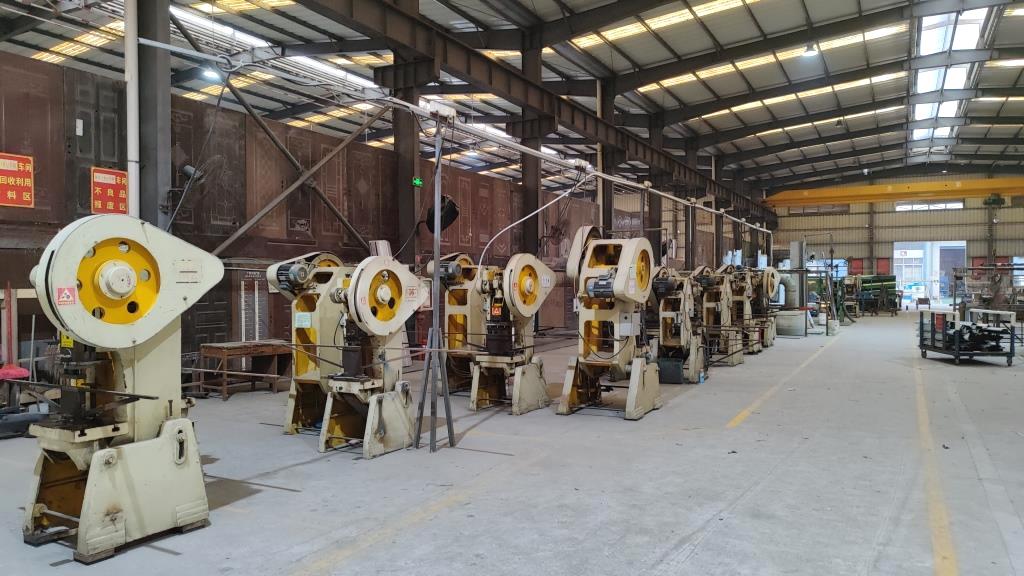
Leveraging high-end equipment like CNC laser cutters, high-speed turret punching machines, automated CNC bending machines, and continuous hot-press lamination systems ensures high precision. This tech stack maintains dimensional tolerances within ±0.5mm, a critical requirement for prehung door matching.
From CAD design drafting to customized extrusion mold creation and customized veneer choices (such as engineered wood, PVC skin laminates, or UV curing), Chinese factories offer a comprehensive solution for global importers, developers, and distributors looking to scale.
Zhejiang Larsom Door Co., Ltd. is a leading manufacturer specializing in the research, development, production, and global export of high-grade security door assemblies, armored entrances, steel-wood doors, and custom-engineered interior WPC door solutions.
Operating from a modern manufacturing plant spanning over 16,000 square meters and powered by 160+ highly skilled technicians, Larsom Door maintains a daily production capability exceeding 200 sets of premium doors. This capacity allows us to efficiently service large-scale commercial bids and high-end customized residential projects with reliable delivery schedules.
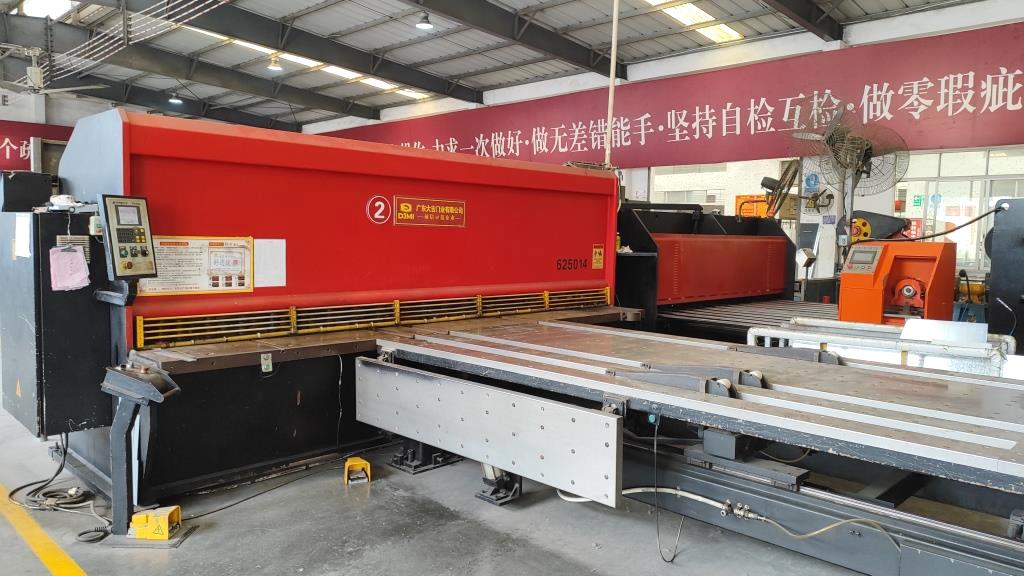
To ensure top-tier quality, we utilize advanced fabrication systems, including CNC laser cutters, CNC bending machines, automated welding systems, high-speed turret punch presses, automated edge-sanding lines, and modern powder coating setups. We enforce rigorous quality control at every stage, from material selection to final inspection, exporting to over 130 countries across Europe, the Middle East, South America, and Asia.
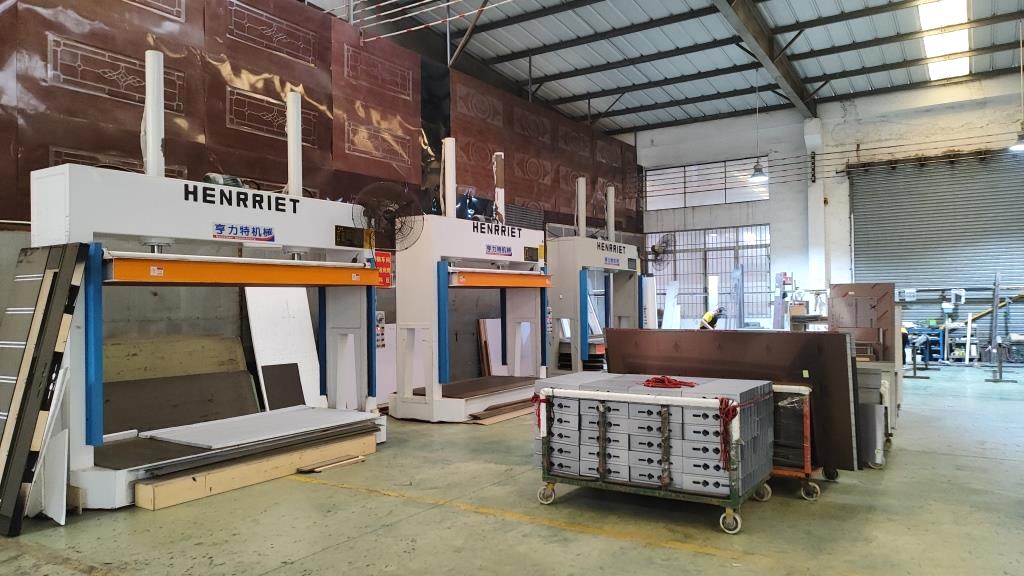
Every stage of production is guided by precision CNC equipment and strict quality inspection to ensure structural integrity and a premium finish.
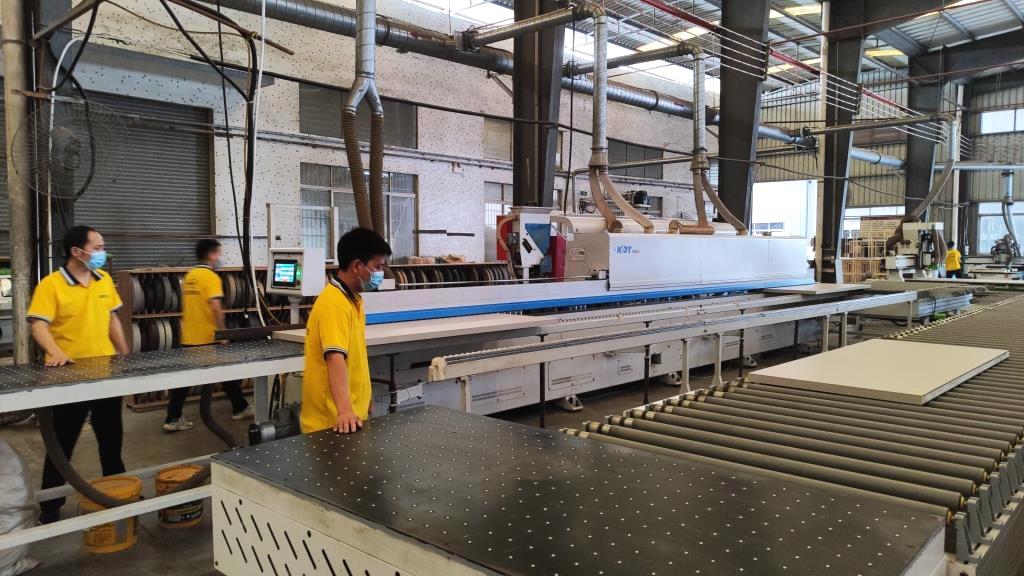
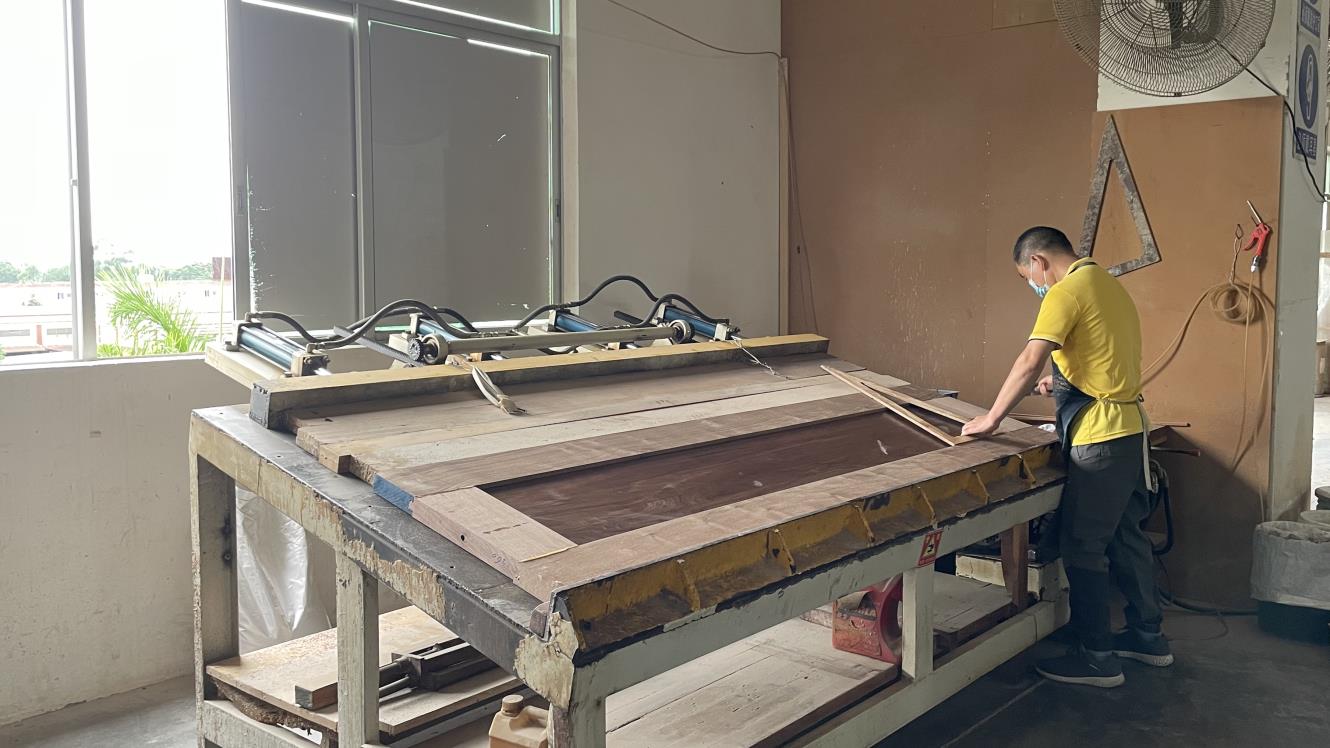
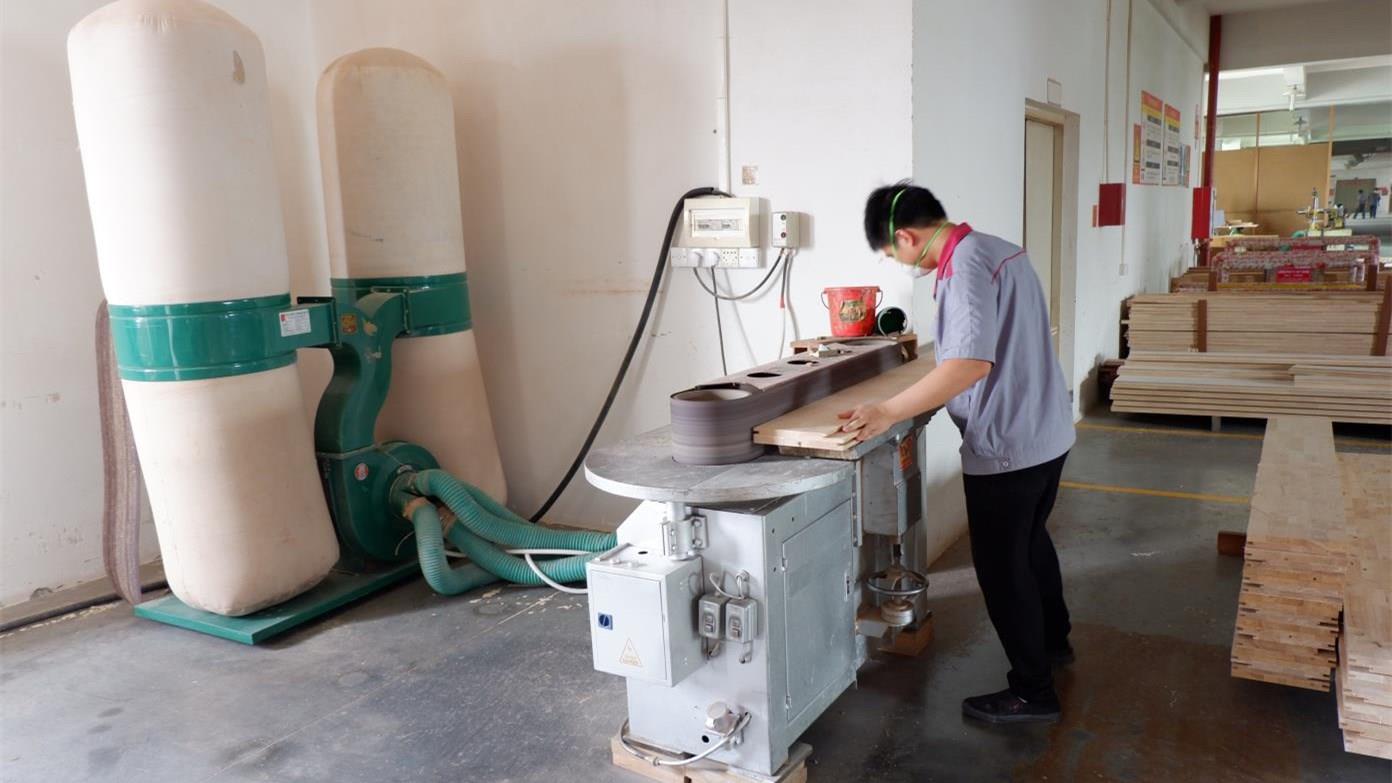
How we customize our production parameters to satisfy international commercial standards, contractor timelines, and localized code compliance.
Commercial developers require diverse sizes, structural styles, and hardware configurations. We manufacture custom dimensions up to 2400mm in height, design configurations including single-swing, double-leaf, and sliding systems, and pre-cut lock pockets and hinges for easy job site installation.
To match different design aesthetics, our doors support multiple finishes: PVC thermal foils for wood grain texture, high-gloss UV coatings for modern clean looks, and eco-friendly engineered wood veneers for high-end residential interiors.
WPC door cores can be reinforced with internal high-density solid wood structural members to increase screw-holding capacity, allowing for heavy commercial grade-1 closers, panic hardware, and smart electronic locks.
Comparing the physical performance of WPC doors with traditional wood and MDF solutions across diverse environmental contexts.
WPC Doors are suitable for locations subject to moisture, high humidity, and heavy wear. For instance, in hot coastal areas like the Middle East (e.g., Oman Residential Projects) or Southeast Asia, high humidity causes wood doors to warp, swell, and rot. WPC remains dimensionally stable in these conditions. In commercial settings like hospitals and schools, their impact resistance, sanitation, and ability to withstand cleaning agents make WPC a practical choice.
| Physical Attribute | WPC Doors (Polymer/Wood Core) | Solid Timber Doors | Standard MDF/HDF Flush Doors | |
|---|---|---|---|---|
| Moisture & Water Resistance | 100% Waterproof. Swelling thickness rate < 0.5% | Hydroscopic. Prone to swelling, splitting, and warping | Poor. Absorbs moisture, leading to internal core delamination | |
| Termite & Pest Resistance | 100% Termite Proof (Polymer content prevents damage) | Vulnerable to insects; requires chemical treatment | Low resistance unless treated with toxic additives | |
| Formaldehyde Emission Class | E0 Grade / Zero-Formaldehyde emission (Non-toxic) | Variable (Dependent on sealants, glues, and varnishes) | Often E1/E2 due to urea-formaldehyde resins | |
| Acoustic Isolation (STC Rating) | High (32 dB to 38 dB, composite cores reduce sound transmission) | Variable (Solid timber has good mass but sound leaks via grain) | Low to Medium (Hollow cores offer poor acoustic isolation) | |
| Flame Retardancy | Self-extinguishing (Class B1 standard) | Combustible (Requires intumescent paint or treatment) | Combustible (Burns rapidly unless treated) |
Ensuring cross-border shipments arrive on time and fully comply with the importing nation's building codes and environmental certifications.
Compliance with CE Markings, REACH chemical regulations (free from restricted plasticizers and heavy metals), and sound reduction indices (EN ISO 10140-2) ensures compliance with EU multi-family residential building regulations.
Our doors are tested for extreme thermal stability. They hold SASO certificates for Saudi Arabia, conform to Civil Defense fire regulations, and are optimized for standard 40ft HQ container loading configurations to minimize freight costs.
We configure core densities to comply with ASTM standards, including flame spread indices, and support moisture barrier certifications required for construction in coastal or humid areas.
From engineered wood to armored metal configurations, discover our specialized architectural systems.
Technical answers regarding materials, manufacturing, customs, and OEM/ODM engineering capabilities.
 Larsom Door