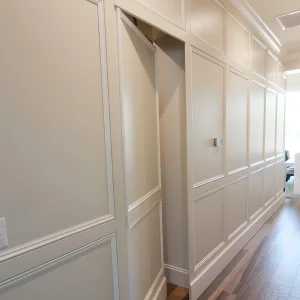
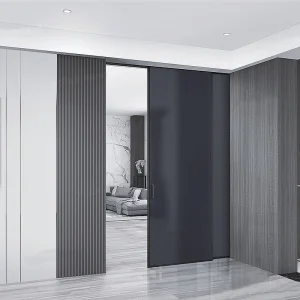
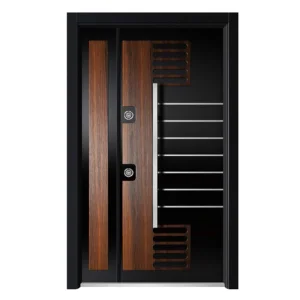
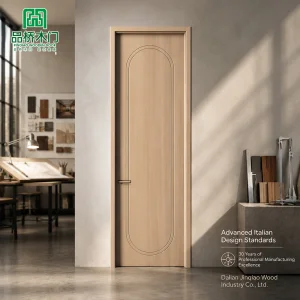
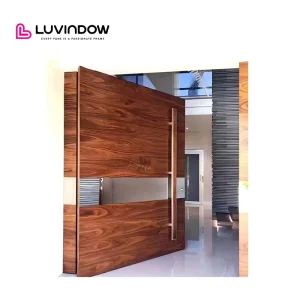
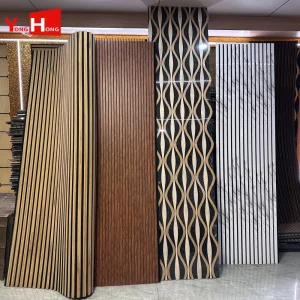
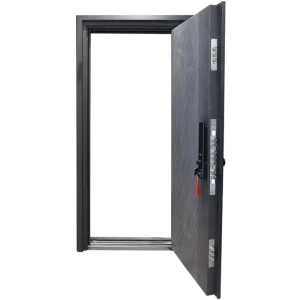
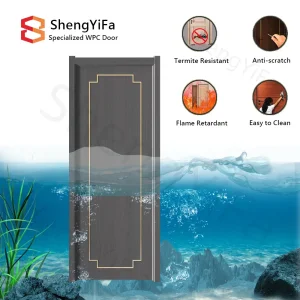
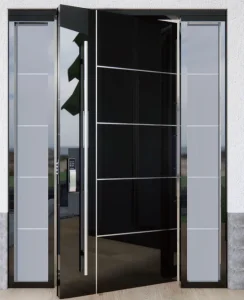
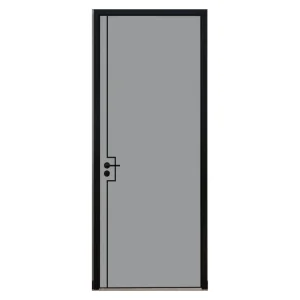
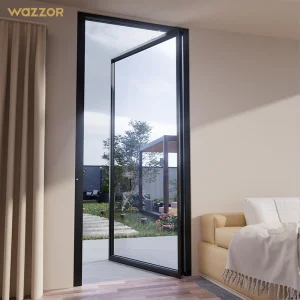
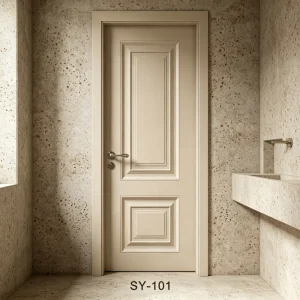
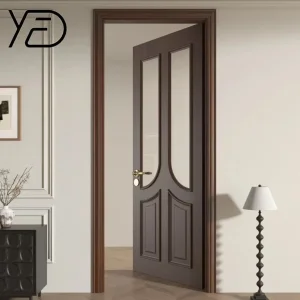
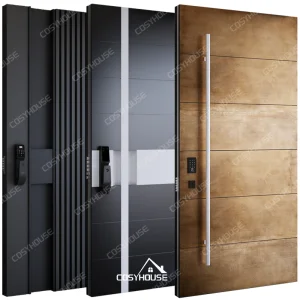
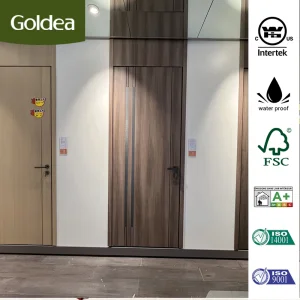
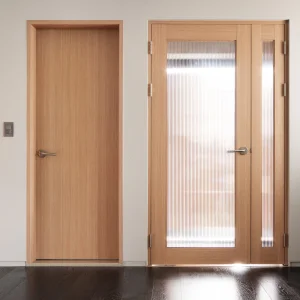
Discover our lead product portfolio engineered for commercial projects, high-humidity environments, and modern residential structures.
Analyzing macro trends, regulatory demands, and how environmental dynamics shape the global building material specifications.
Modern building construction increasingly prioritizes specialized door materials. Bathrooms, indoor pools, and institutional spas present extreme microclimates characterized by Relative Humidity (RH) levels frequently exceeding 90% and continuous thermal cycling. Standard wooden doors succumb to wood decay, fiber swelling, and structural warping under these conditions. The global market has transitioned rapidly toward synthetic polymers, wood-plastic composites (WPC), and advanced metal alloys that guarantee long-term dimensional stability and antimicrobial compliance.
Architects, general contractors, and developers across Europe, North America, and the Middle East demand rigorous certifications before material integration. Water absorption limits (typically below 1% under ASTM D1037), fire-retardancy (such as EN 13501-1 or Class A ASTM E84 ratings), and formaldehyde emissions ratings (E0 or CARB Phase 2 compliance) are now standard contract requirements. China's top manufacturers have transitioned from low-cost providers to global engineering leaders, investing heavily in certified test laboratories and automated machinery.
Integrating world-class automated production with strict quality control to deliver premium engineered door solutions globally.
Zhejiang Larsom Door Co., Ltd. stands as a preeminent developer, manufacturer, and global exporter of high-performance security doors, armored doors, steel-wood entries, and customized structural solutions. Rooted in continuous material research, Larsom Door meets the exacting requirements of architectural planners and construction contractors globally.
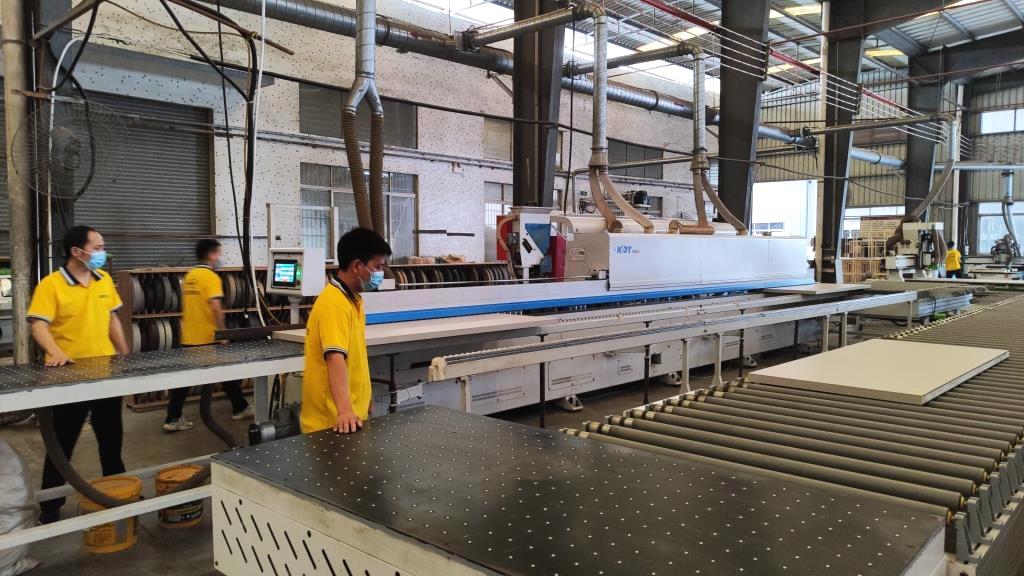
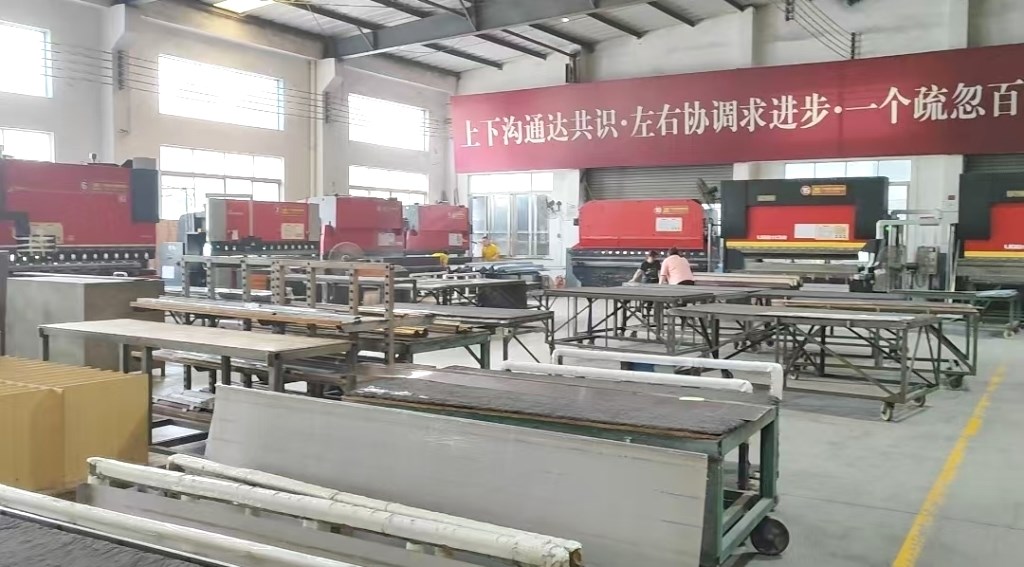
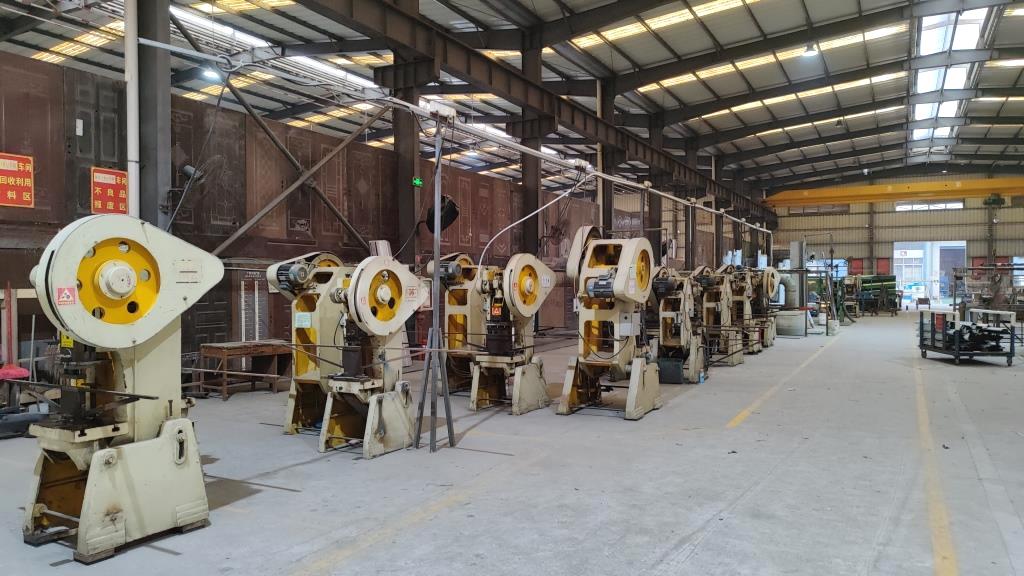
Operating a modernized manufacturing complex spanning more than 16,000 square meters, supported by a highly trained workforce of over 160 engineering and production specialists, our facility achieves a daily throughput capacity exceeding 200 sets of premium doors. This structural capacity ensures reliable lead times, whether handling custom architectural commissions or high-volume multi-residential contracts.
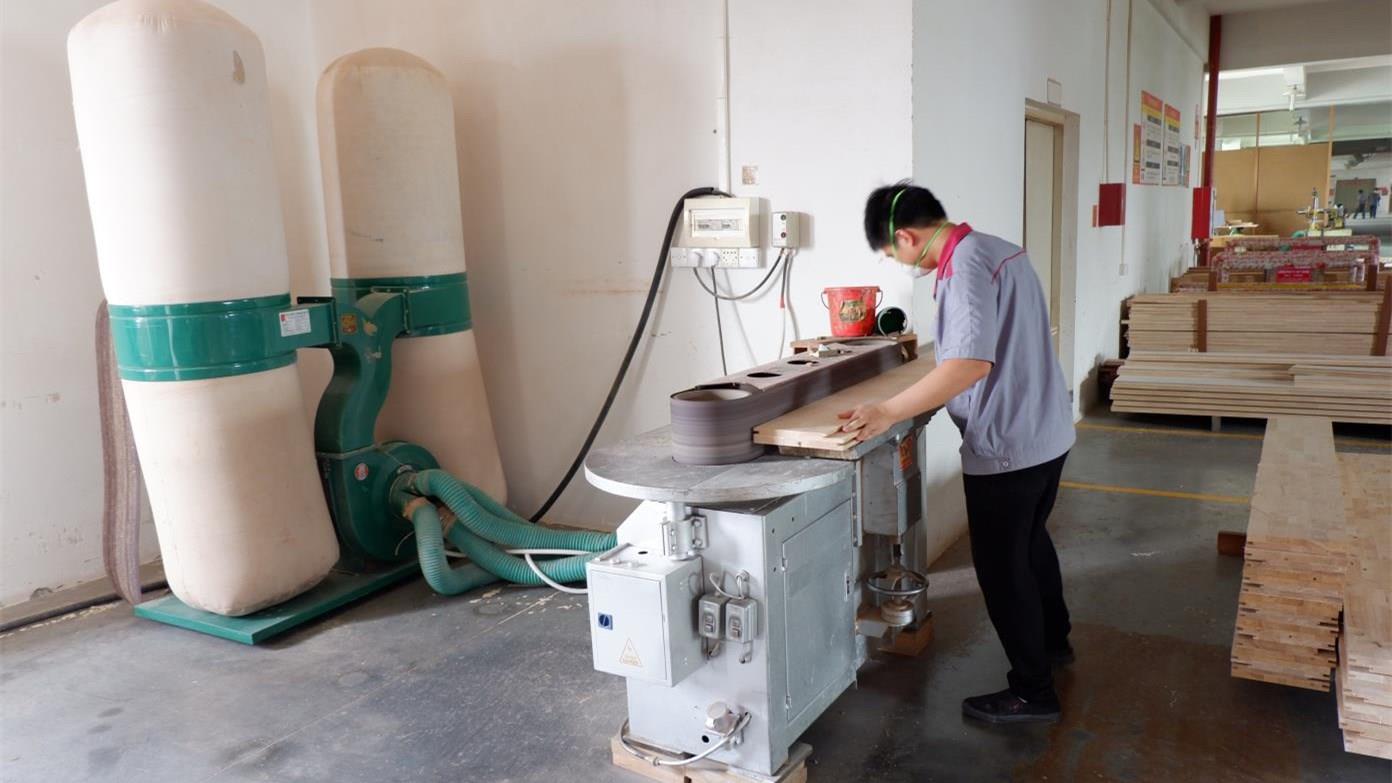
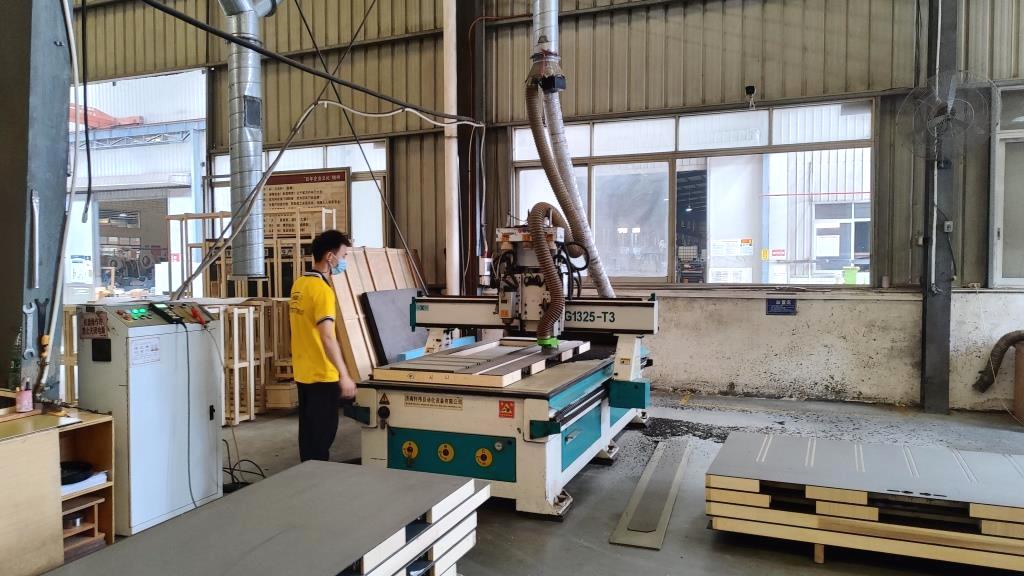
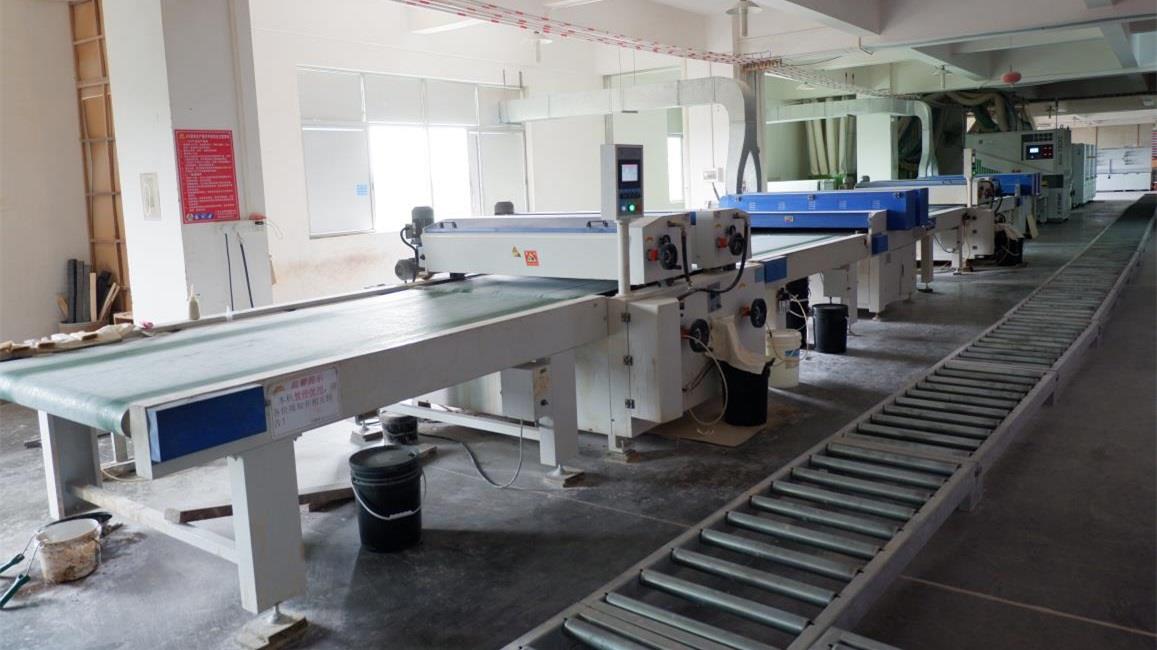
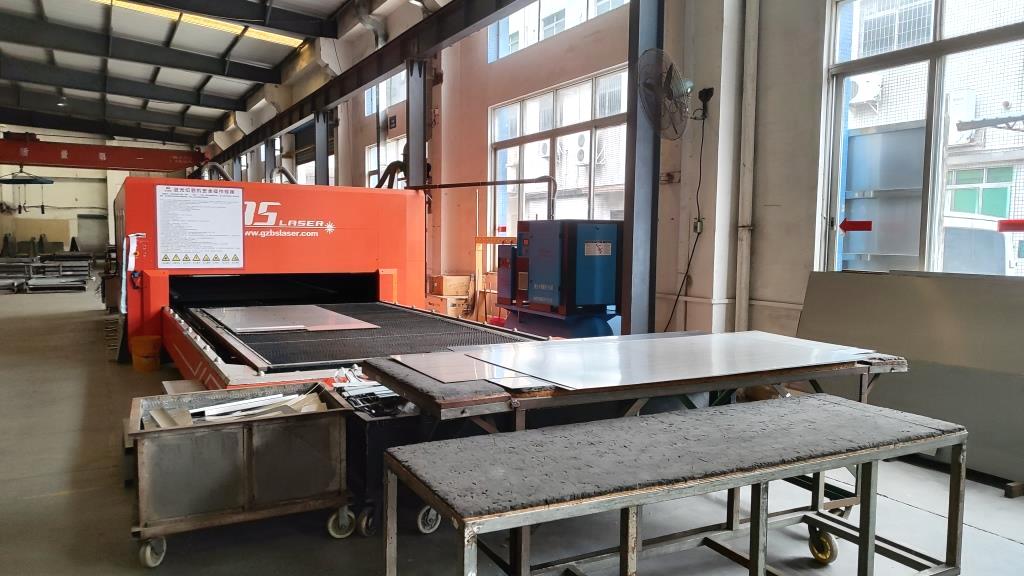
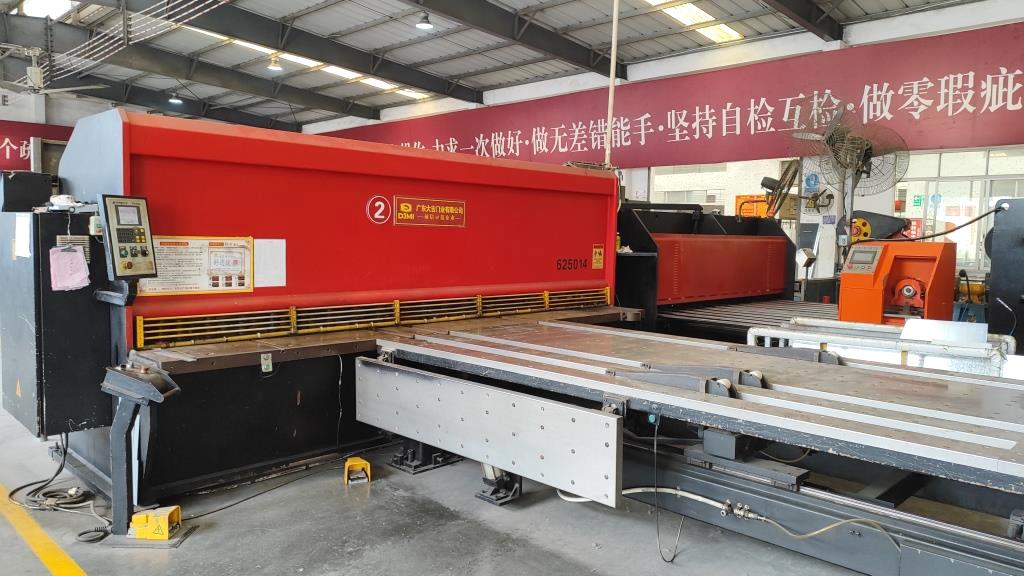
Our commitment to precision is backed by intensive capital investment in advanced automated machinery, including CNC laser cutters, CNC bending machines, automatic welding stations, high-speed turret punches, automated sanding units, and high-performance UV-curing and powder-coating finishing systems. Quality assurance processes govern every stage of manufacture, ensuring each component meets strict international standards.
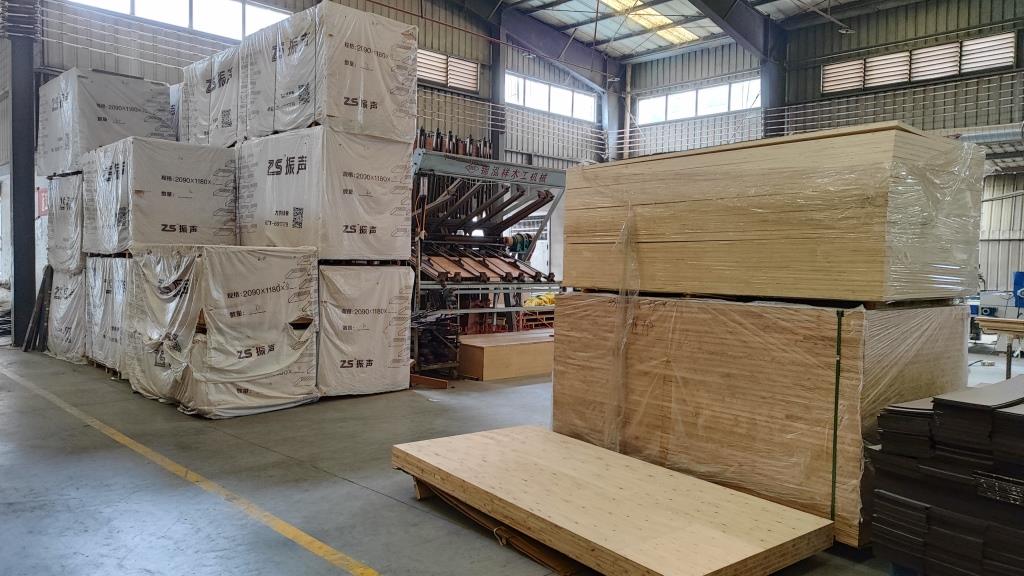
Visualizing our advanced engineering workflow designed to guarantee dimensional accuracy and moisture resistance.
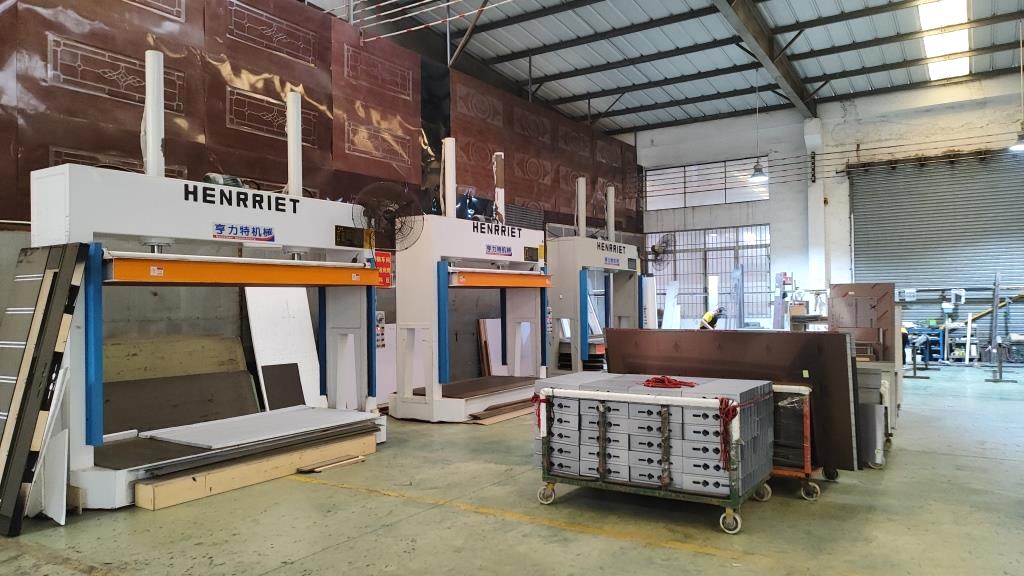
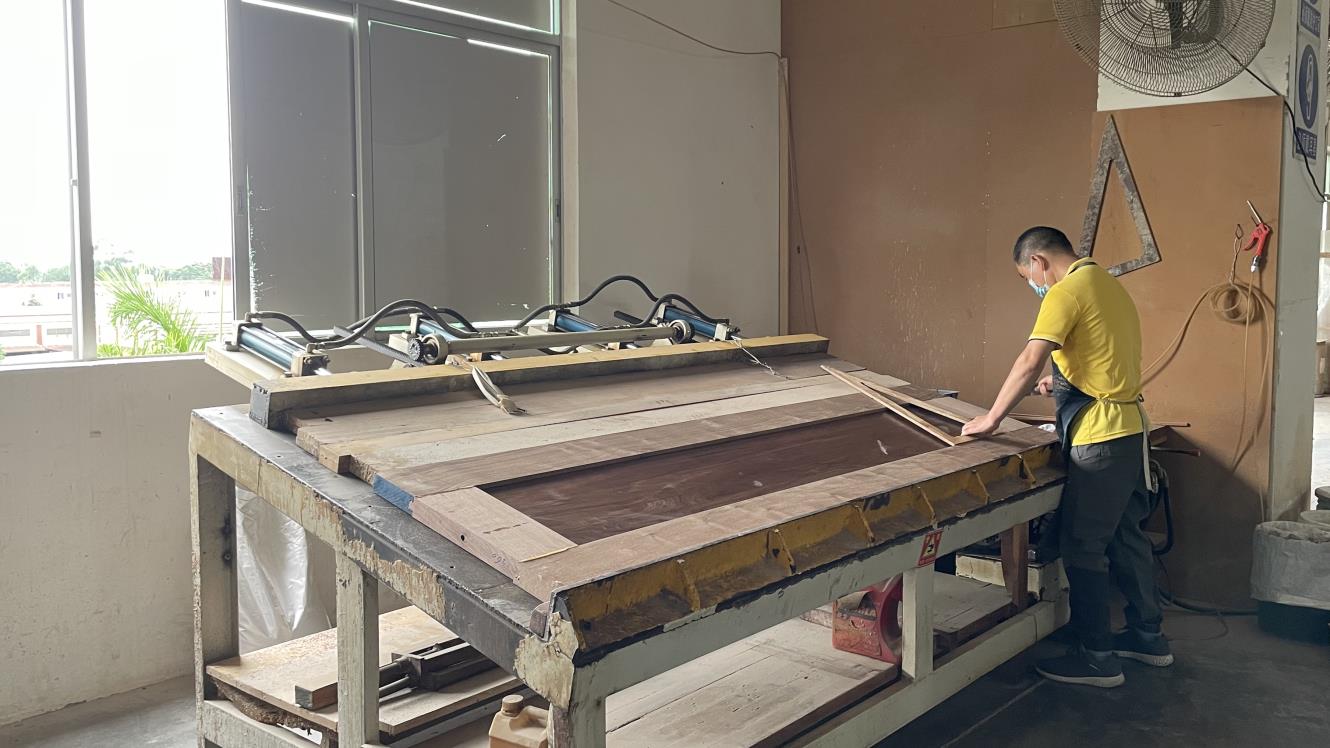
How different architectural layouts and climates dictate waterproof door engineering parameters.
Regions with year-round high humidity (e.g., Southeast Asia, Caribbean) require doors that resist thermal expansion and mold growth. Our WPC and aluminum-alloy lines are designed to prevent swelling, maintaining tight seals and structural integrity even under high-humidity conditions.
Five-star hotels demand high-end design integrated with acoustic privacy. Flush systems equipped with drop-down seals and internal insulating cores provide excellent moisture protection while delivering sound dampening performance of up to 38dB STC.
Hospitals and clinics require doors that can withstand frequent chemical washdowns and heavy usage. Antibacterial finishes, non-porous WPC sheets, and reinforced stainless steel alloy framing ensure durability, impact resistance, and hygienic safety.
For high-traffic public washrooms in airports, stadiums, and schools, impact resistance and structural durability are key. Our reinforced internal-structure doors resist sagging, impacts, and heavy moisture exposure, lowering maintenance cycles.
A technical comparison of popular materials to help you make informed procurement decisions.
| Performance Metrics | Wood Plastic Composite (WPC) | Moisture-Resistant MDF | Aluminum Alloy with Glass | PVC Coated Solid Timber |
|---|---|---|---|---|
| Water Absorption Rate (24 hr immersion) | < 0.5% (Impervious) | 8.0% - 12.0% (Risk of swelling) | 0.0% (Zero Absorption) | 2.0% - 4.5% (Sealed Dependent) |
| Dimensional Swelling Coefficient | Negligible (< 0.1%) | Moderate to High | 0% | Minimal (if skin remains intact) |
| Acoustic Insulation (STC Rating) | 32 dB - 36 dB | 28 dB - 32 dB | 24 dB - 30 dB (Depending on Glass) | 30 dB - 35 dB |
| Flame Retardancy Standard | Class Bs1-d0 (Self-extinguishing) | Class C or D (Standard treated) | Non-combustible A-Class | Class C (Skin protective) |
| Eco-Friendly / Recyclability | High (Fully Recycled Polymers) | Medium (Requires binders) | High (100% Recyclable metal) | Medium (Composite laminates) |
| Estimated Architectural Lifespan | 15 - 20 Years | 5 - 8 Years | 25+ Years | 10 - 15 Years |
How advanced materials, smart integrations, and eco-friendly practices are driving the next generation of door manufacturing.
Future door designs prioritize environmental sustainability. WPC formulations are transitioning from traditional fossil fuel-based resins to bio-sourced polymers and agricultural waste fibers. This shift maintains high water resistance while reducing the product's carbon footprint.
IoT integrations are transforming standard entryways. We are seeing increased demand for integrated smart locks, automatic opening mechanisms, and moisture sensors that trigger local exhaust fans when humidity spikes, improving bathroom ventilation.
In response to hygiene demands, nano-silver and copper-ion treatments are being fused directly into WPC extrusions and paint layers. This creates self-sanitizing surfaces that inhibit bacterial and mold growth on touchpoints.
Innovations are leading to hybrid door structures. Combining WPC cores with sleek aluminum-alloy skins offers the visual appeal of metallic frames along with the insulating properties of composites, meeting fire-safety and water-resistance needs.
Streamlined supply chain integration for developers, importers, and builders worldwide.
Our team adapts door panel heights, widths, lock pre-drilling positions, and glass panel variations to align with localized architectural drawings and regional building codes.
Every batch undergoes performance testing, including load testing, hinge stress trials, and moisture-chamber aging, ensuring reliable performance in high-humidity zones.
Leveraging our proximity to major international shipping ports in Ningbo and Shanghai, we handle customs clearance, export documentation, and cargo loading for on-time site deliveries.
Addressing technical and logistical questions for global door sourcing and integration.
Browse our broader range of customized steel-wood, armored, and moisture-resistant doors.
 Larsom Door