Engineered to meet the dynamic architectural specifications of global distribution channels, residential builds, and heavy-duty industrial projects.
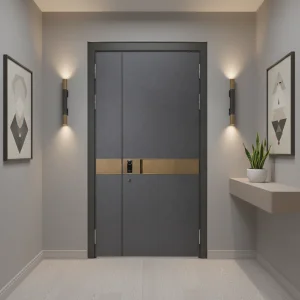
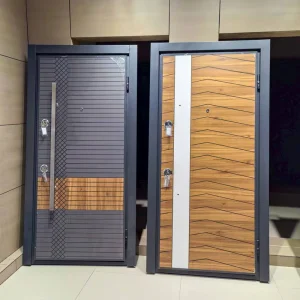
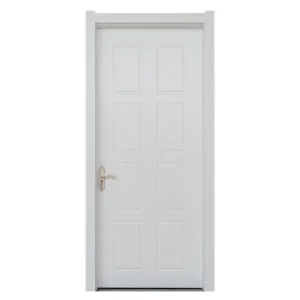
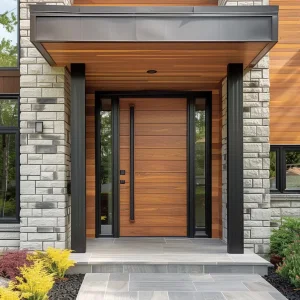
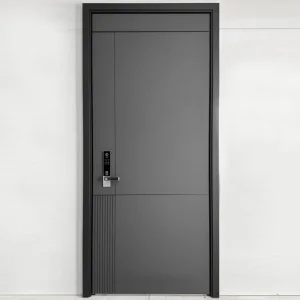
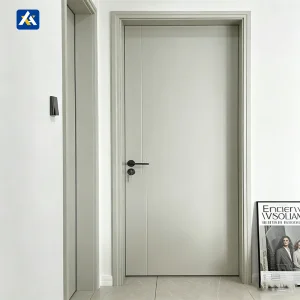
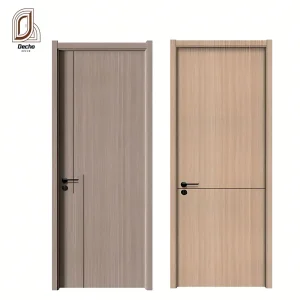
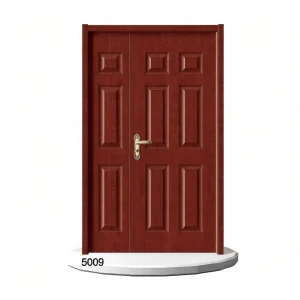
Analyzing key structural shifts, regulatory evolutions, and material selection trends shaping the commercial entrance security landscape.
In the modern architectural, engineering, and construction (AEC) sectors, the demand for security doors has shifted from basic physical deterrence to multifaceted, high-performance building envelope systems. Today's commercial, residential, and institutional infrastructures require entrance solutions that mitigate threat profiles while optimizing thermal efficiency, acoustic performance, and lifecycle economics. This evolution has positioned PVC Coated Security Doors as a premier alternative to traditional painted steel or veneer wood solutions.
Traditional wood finishes are susceptible to moisture absorption, warping, and biological degradation. Conversely, standard liquid-painted or powder-coated steel doors are prone to mechanical scratching, micro-fissure corrosion, and chemical degradation under extreme environmental conditions. By leveraging advanced thermo-vacuum bonding, PVC coated security doors deposit a dense, cross-linked polyvinyl chloride polymer shield onto high-tensile galvanized steel substrates, delivering superior weatherability and physical defense.
This technical superiority is driving adoption in regions facing extreme climatic factors—ranging from the high-saline coastal humidity of Southeast Asia and Africa to the intense ultraviolet levels of the Middle East. Furthermore, as municipal building codes around the globe enforce rigid fire resistance and energy conservation standards (such as European EN standards and US LEED ratings), modern builders are turning to integrated steel-composite door designs with PVC membranes for predictable compliance and minimal long-term maintenance costs.
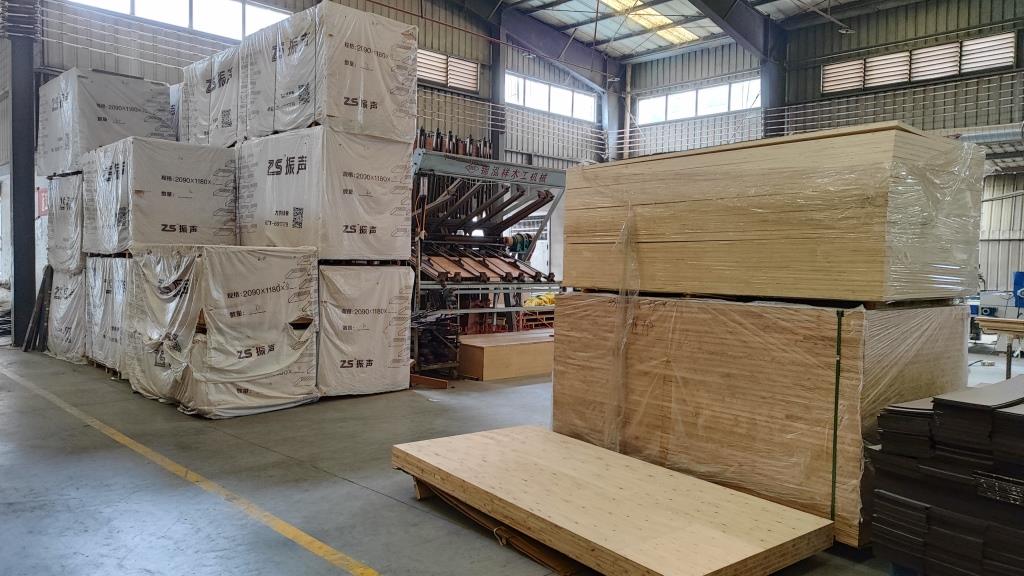
A professional manufacturer dedicated to the research, development, and global export of advanced security, armored, and composite door structures.
Founded with a commitment to engineering excellence, Zhejiang Larsom Door Co., Ltd. operates at the intersection of high-security metallurgy and advanced material aesthetics. Based in Zhejiang, China, our 16,000 square meter manufacturing hub utilizes heavy-duty automation, computerized CNC tooling, and multi-stage testing rigs to ship premium doors globally.
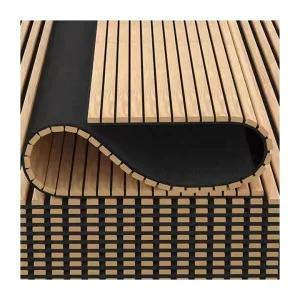
Whether engineering bulletproof exterior security configurations, soundproof acoustic wall solutions, waterproof WPC doors, or fire-rated armored entrance portals, our customized designs accommodate complex structural specifications. Larsom Door serves as a trusted OEM and ODM partner for real estate developers, commercial contractors, distributors, and municipal building authorities worldwide.
Formulated with high-strength structural steel frames, multi-point heavy locking systems, and reinforcement ribs, offering anti-intrusion profiles suitable for residential villas and secure commercial structures.
Our polymer lamination system provides wood-grain textures, scratch protection, and chemical defense, ensuring long-term aesthetic fidelity without fading or structural cracking.
By integrating internal acoustic cores, specialized EPDM gasket seals, and polyurethane insulating infill, our doors achieve low thermal U-values and significant noise reduction (STC ratings).
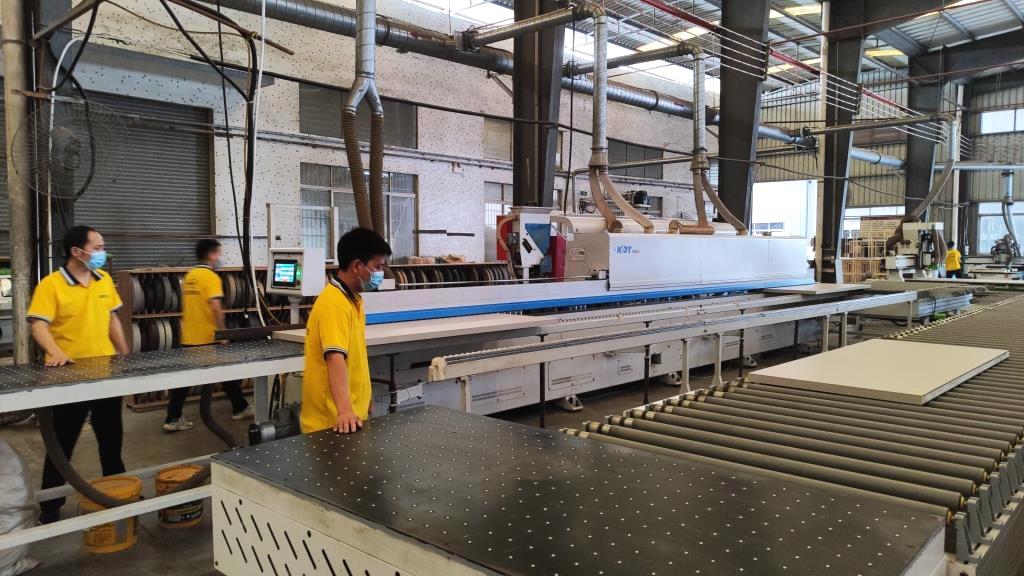
A detailed look into our automated manufacturing line, where raw materials are transformed into certified, high-grade security systems.
Our manufacturing process utilizes computer-controlled machining and strict physical inspections. This automated workflow maintains tight tolerances, ensuring every door meets international structural and safety guidelines.
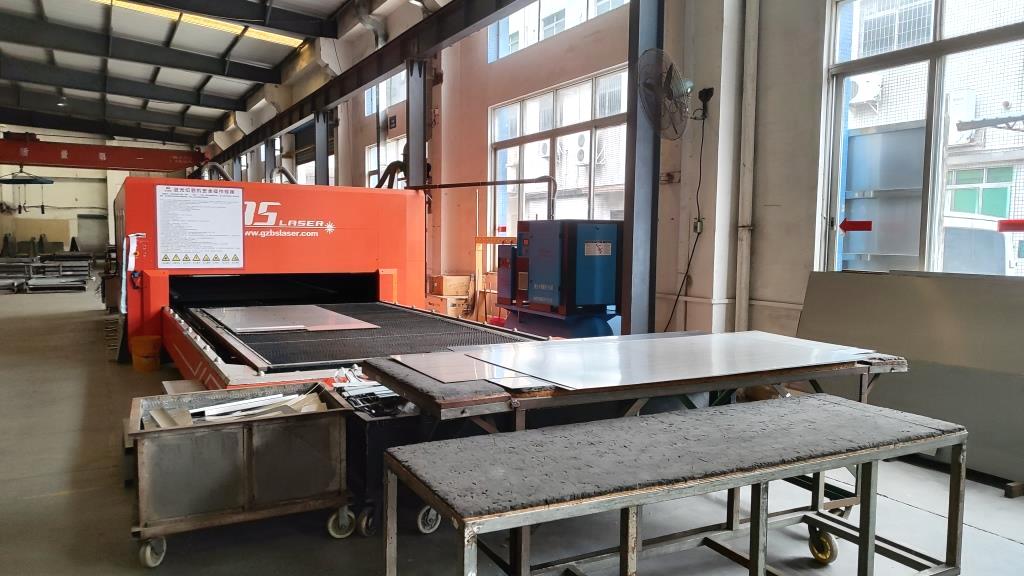
High-grade structural steel and alloy plates are precisely sheared to dimensions, providing flat substrates for security frames.
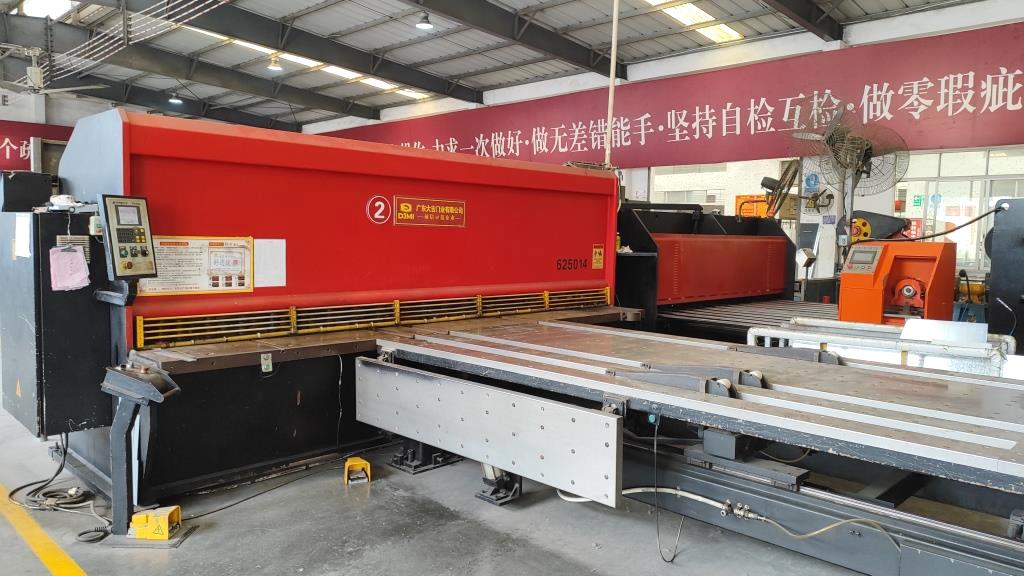
Computerized CNC laser cutters profile complex openings, hardware cutouts, and keyholes with millimeter accuracy.
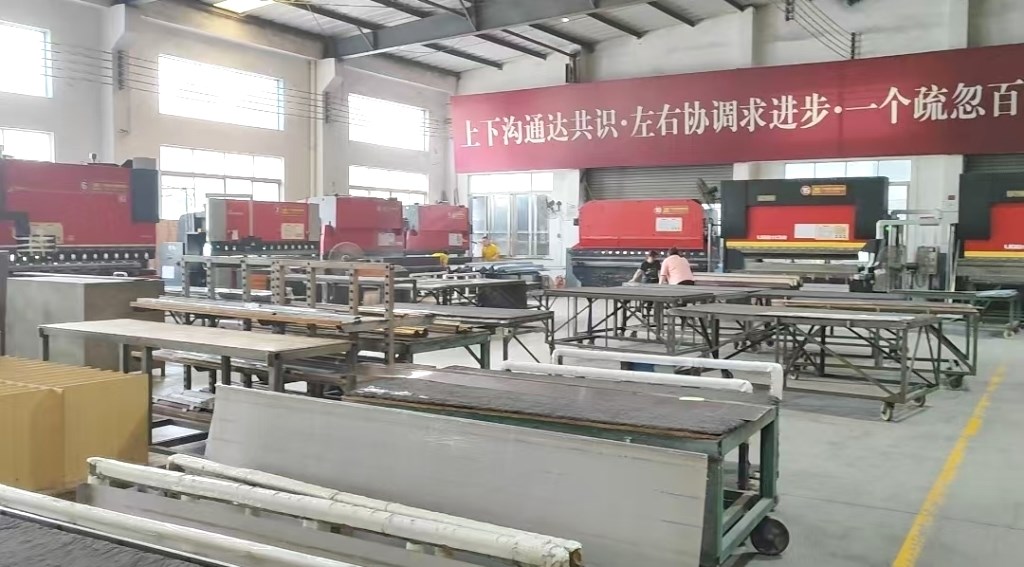
Heavy CNC folding and bending units shape structural panels and jamb profiles to resist external shear forces.
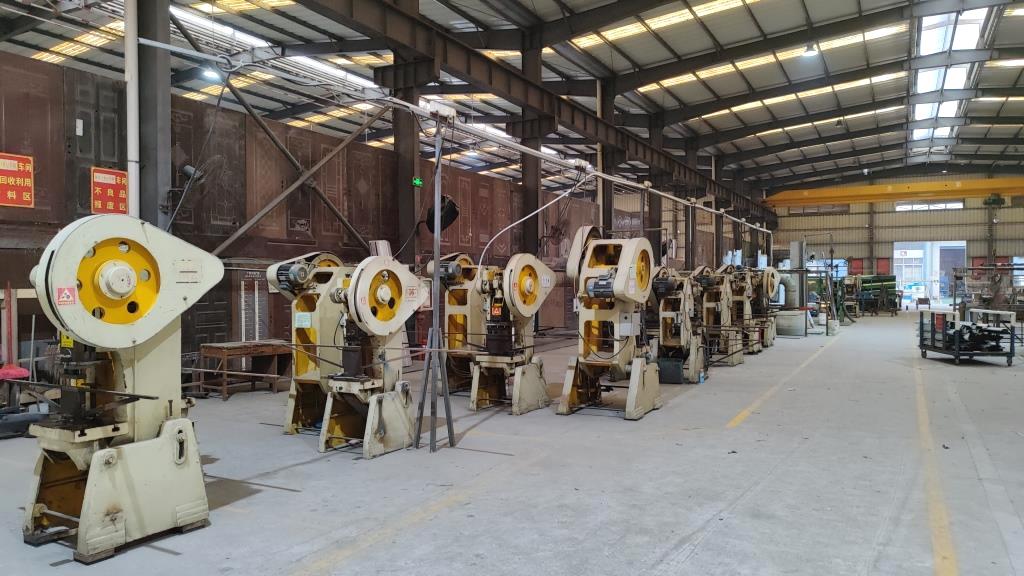
High-speed turret punch presses shape lock cavities, hinge seats, and structural anchoring slots.
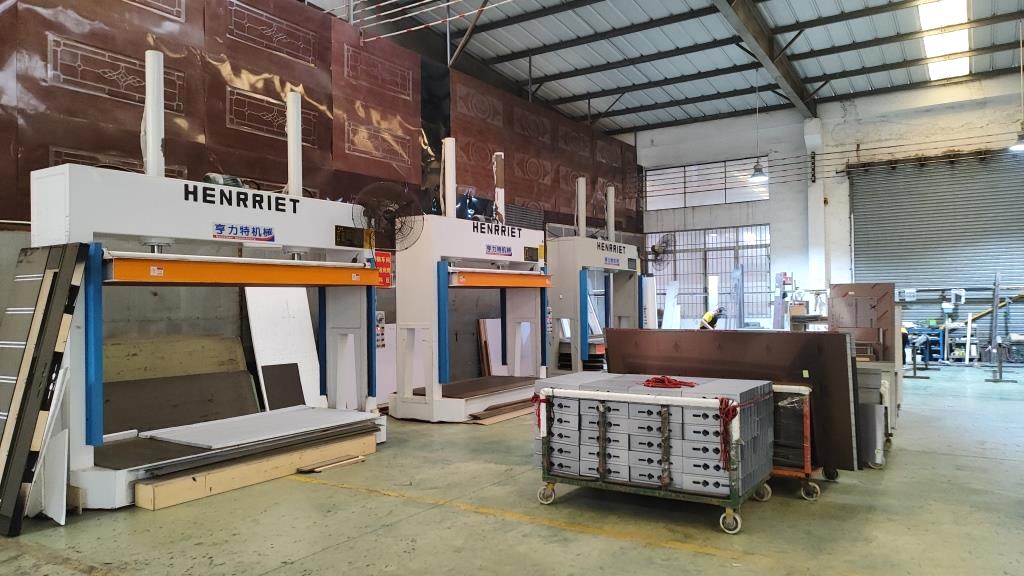
Heavy structural presses apply high-tonnage force to bond core steel plates, internal stiffeners, and insulation.
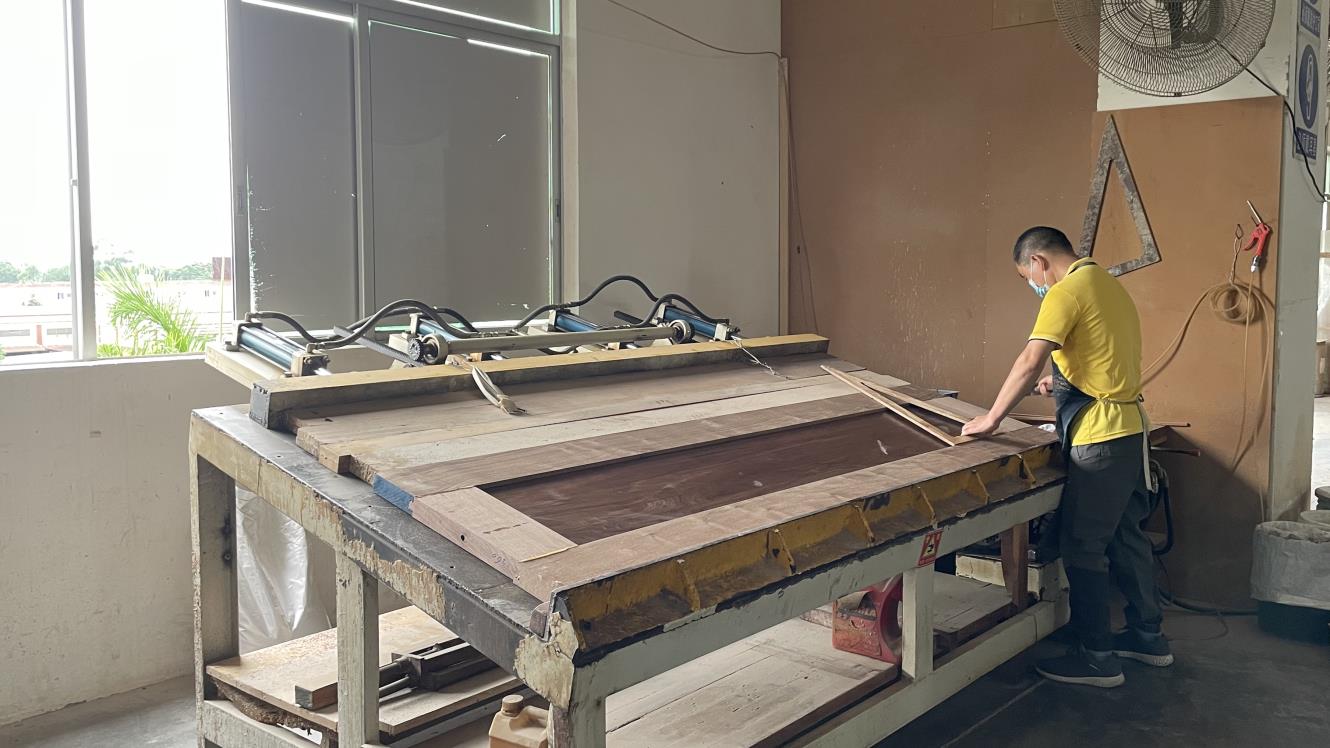
Internal framing components and sub-assemblies are spliced and structural reinforcements welded for mechanical rigidity.
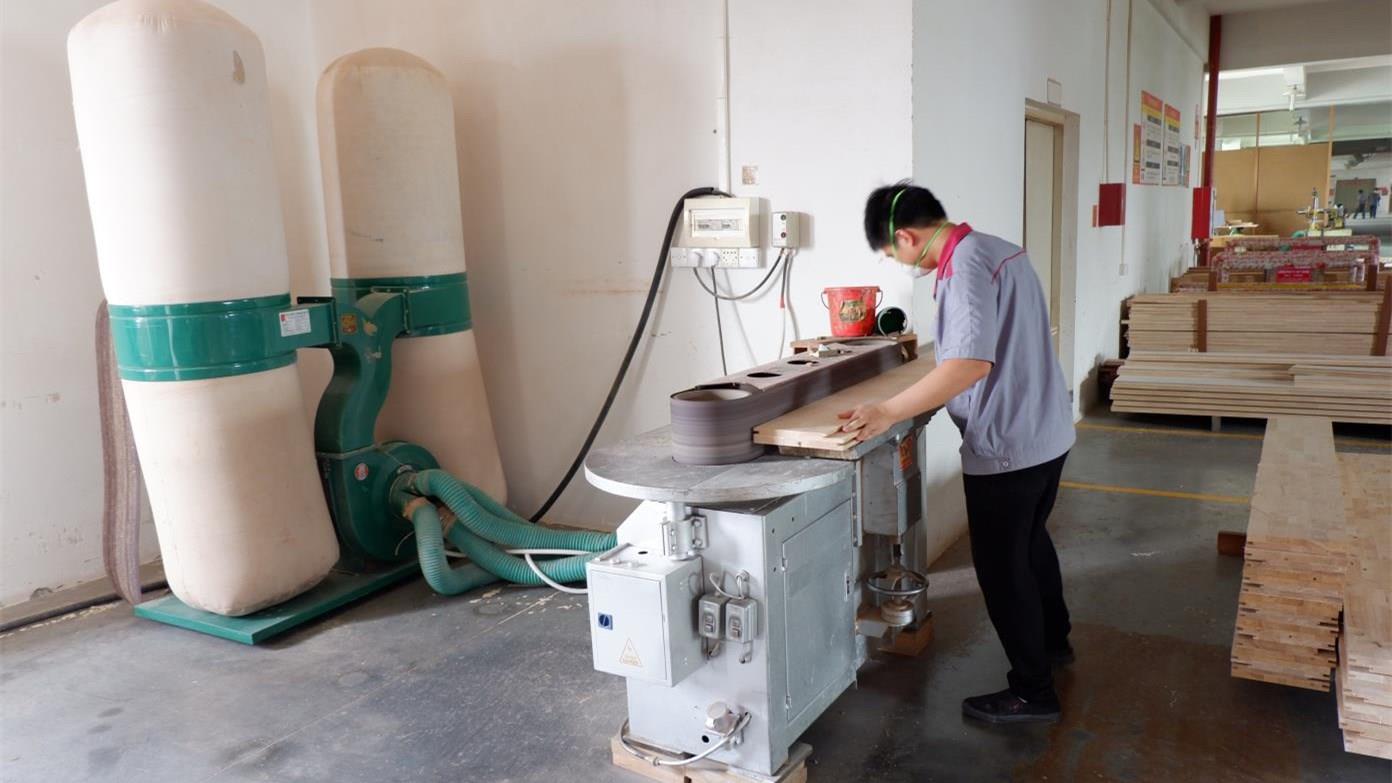
Automated edge grinding removes sharp seams and weld splatter, preparing clean bonding surfaces for coatings.
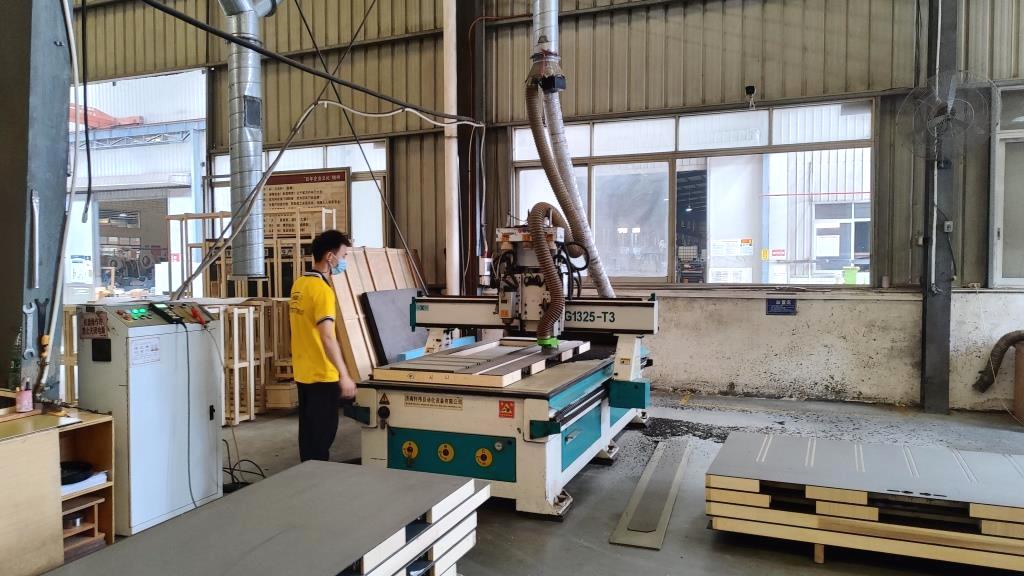
High-resolution CNC engraving routers engrave customized structural patterns into panels prior to coating.
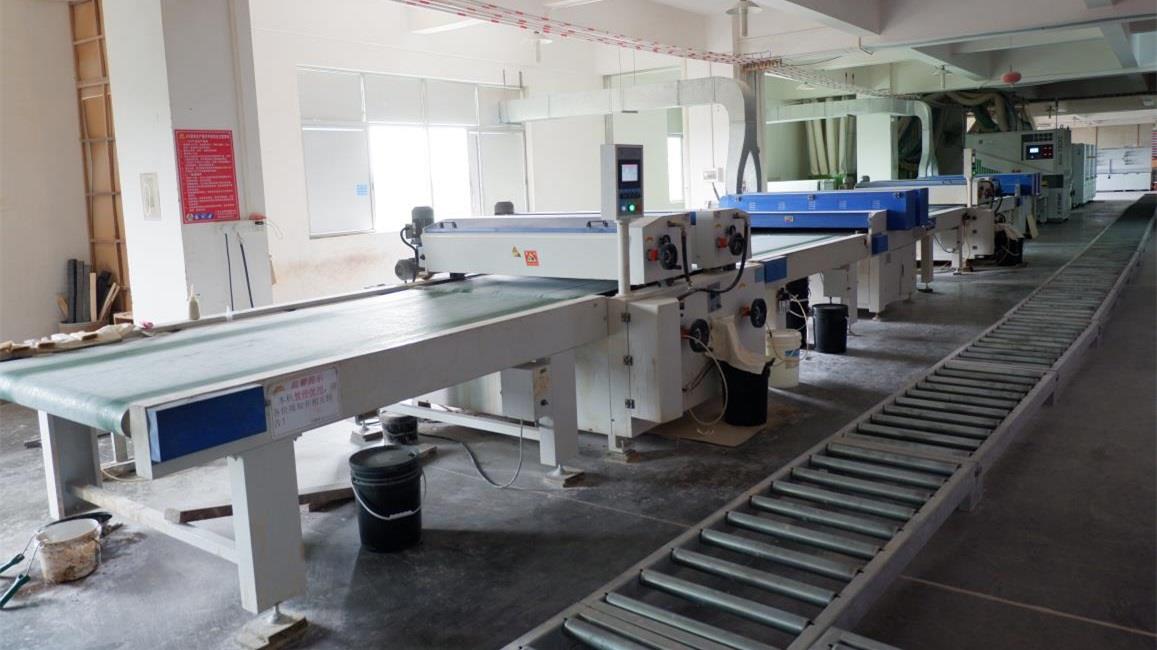
Advanced UV curing systems and vacuum thermal presses bond PVC membranes, curing polymer chains for scratch protection.
A comparison of architectural coatings showing the lifecycle, resistance, and structural advantages of PVC-coated security systems.
| Performance Parameters | PVC-Coated Steel Doors | Powder-Coated Steel Doors | Veneered Timber Doors |
|---|---|---|---|
| Base Construction | Galvanized Steel + Thermal PVC Polymer | Electrostatic Powder + Mild Steel | MDF Core + Hardwood Veneer |
| UV & Weathering Resistance | Exceptional (Formulated UV Inhibitors) | Moderate (Fades/chalks under prolonged UV) | Poor (Prone to cracking, bleaching) |
| Mechanical Scratch Resistance | High (Flexible polymer absorbs micro-impacts) | Medium (Prone to chipping and flaking) | Low (Easily dented or gouged) |
| Moisture & Salt Spray Defense | Waterproof (Zero seam penetration) | Moderate (Corrosion occurs at chip points) | Swells, warps, and supports mold growth |
| Acoustic Isolation (STC Rating) | 35 - 45 dB (With integrated core insulation) | 30 - 38 dB (Dependent on infill material) | 22 - 32 dB (Dependent on hollow/solid core) |
| Expected Maintenance-Free Lifecycle | 15+ Years (No painting or sealing needed) | 5 - 8 Years (Requires regular rust treatment) | 2 - 4 Years (Requires re-varnishing) |
The durability of our PVC Coated Security Doors is rooted in the chemical engineering of the external membrane. By adding thermal-grade stabilizers, anti-UV additives, and impact modifiers directly to the PVC polymer matrix, our material resists environmental degradation. Under vacuum heat lamination, the film forms a tight bond with the steel substrate, preventing moisture migration and rust.
Additionally, this polymer barrier dampens acoustic vibrations. When combined with our internal rockwool, polyurethane foam, or solid wood cores, it forms an efficient acoustic dampener. This makes our doors ideal for office spaces, apartments, and hotels where privacy is paramount.
Adapting entry systems to specific environmental demands, structural codes, and regional architecture.
For modern villas in regions like West Africa, Larsom supplies heavy steel armoured doors that coordinate with local styles. Our designs provide high physical protection while resisting humidity and coastal salt-spray corrosion.
In high-density European and Asian developments, doors must meet strict acoustic and fire safety codes. Our PVC-finished solid wood and steel composite doors offer certified soundproofing and structural integrity for apartment units.
Hospitals, hotels, and schools require high durability and sanitization compatibility. Larsom's waterproof WPC and PVC-coated interior doors tolerate frequent scrubbing and chemical disinfectants without moisture degradation or delamination.
How we ensure our manufacturing processes align with international architectural codes and quality certifications.
To provide reliable engineering solutions for international bids, Zhejiang Larsom Door Co., Ltd. subjects all products to third-party mechanical and environmental testing. Our lines operate under standardized quality controls to deliver consistent quality in every production run.
Larsom's PVC coating materials avoid volatile plasticizers. Our doors comply with global environmental mandates, including REACH and RoHS. Additionally, our high-density wood-plastic composite (WPC) core options incorporate recycled wood flour, supporting green building certifications like LEED without compromising structural safety.
Aligning with digital transformation, Internet of Things (IoT) security, and decarbonized materials.
We are incorporating structural channels for automated wiring, smart digital locks, biometrics, facial recognition, and remote access systems directly into our security door frames.
Our research and development team is testing next-generation bio-based PVC coatings synthesized from renewable non-food biomass, reducing our carbon footprint while maintaining weather resistance.
We are developing lightweight aerogel insulations to reduce overall door weight while enhancing thermal resistance (lower U-value) and fire containment capabilities.
Addressing common queries from developers, builders, and importers regarding materials, procurement, and shipping.
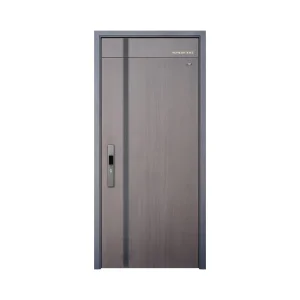
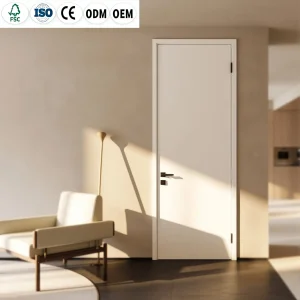
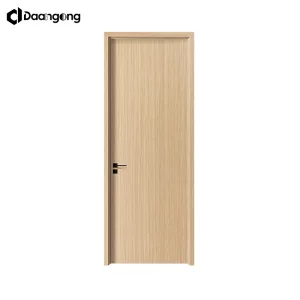
Explore our interior and exterior door catalog, engineered for modern apartments, commercial properties, and residential villas.
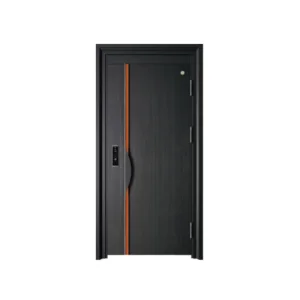
 Larsom Door