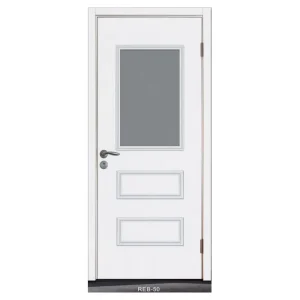
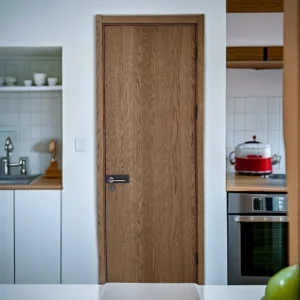
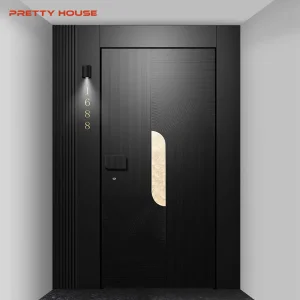
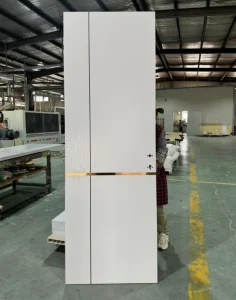
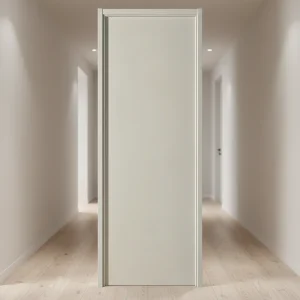
Explore our premium range of highly customized flush door structures, engineered with superior thermal, acoustic, and physical stabilization properties for global compliance.
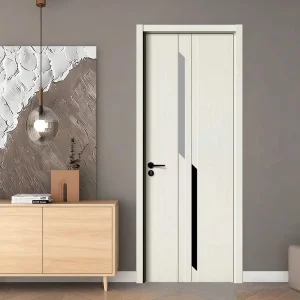
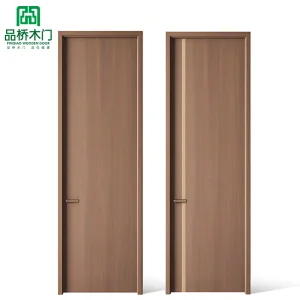
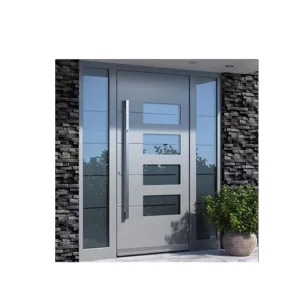
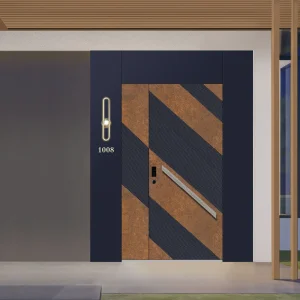
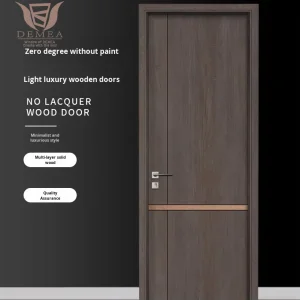
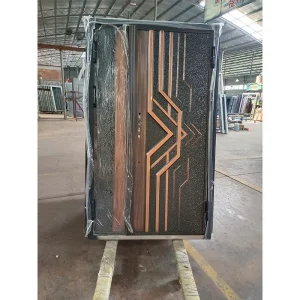
Unlike traditional solid lumber doors, which are prone to structural deformation, warping, and seasonal expansion, modern engineered wood flush doors are designed with composite cross-band layers and dense wood cores. This structure balances internal physical stresses, ensuring high stability across various environments.
By using calibrated Medium Density Fiberboard (MDF), Wood Plastic Composites (WPC), and laminated veneer lumber (LVL) stiles and rails, manufacturers can control thickness tolerances down to the millimeter. This precision is essential for matching heavy-duty commercial door frames and high-security architectural hardware systems.
Cross-grain wood engineering increases dimensional stability by up to 85% compared to solid timber slabs. This makes engineered flush doors suitable for multi-floor commercial complexes, hospitals, and high-density residential towers where temperature and humidity levels fluctuate.
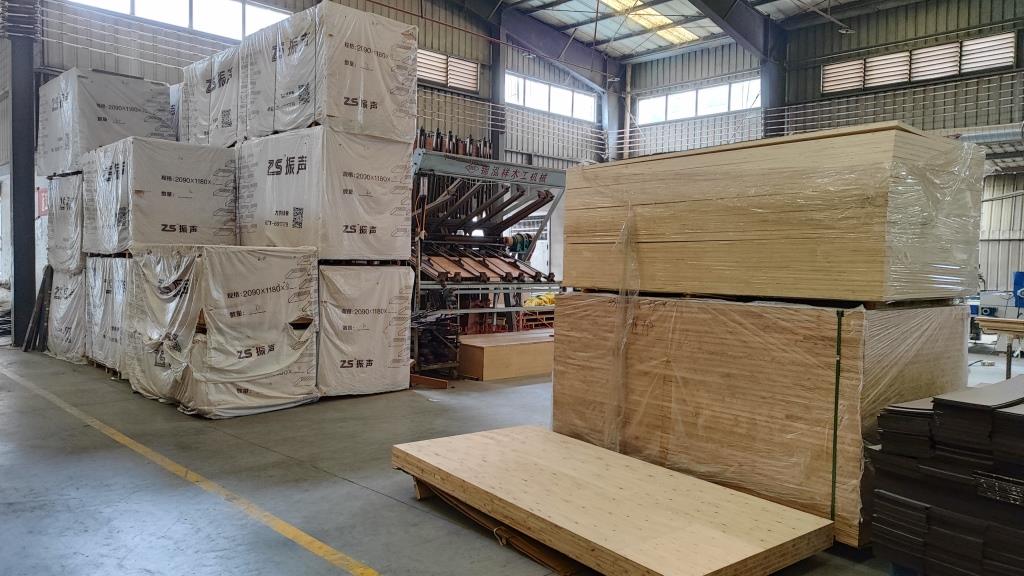
Zhejiang Larsom Door Co., Ltd. is a professional manufacturer specializing in the research, development, production, and global sales of high-quality security doors, armored doors, steel-wood doors, and customized entrance door solutions. Since its establishment, Larsom Door has been committed to providing customers around the world with safe, durable, and stylish door products.
Today, the company operates a modern manufacturing facility covering more than 16,000 square meters, supported by an experienced team of over 160 skilled employees. With advanced production management and efficient manufacturing systems, our daily production capacity exceeds 200 sets of premium doors, enabling us to meet both large-scale projects and customized orders with reliable delivery timelines.
Our commitment to quality is supported by automated fabrication technology. From structural steel cutting to final UV coatings, every phase is controlled to meet international door industry standards.
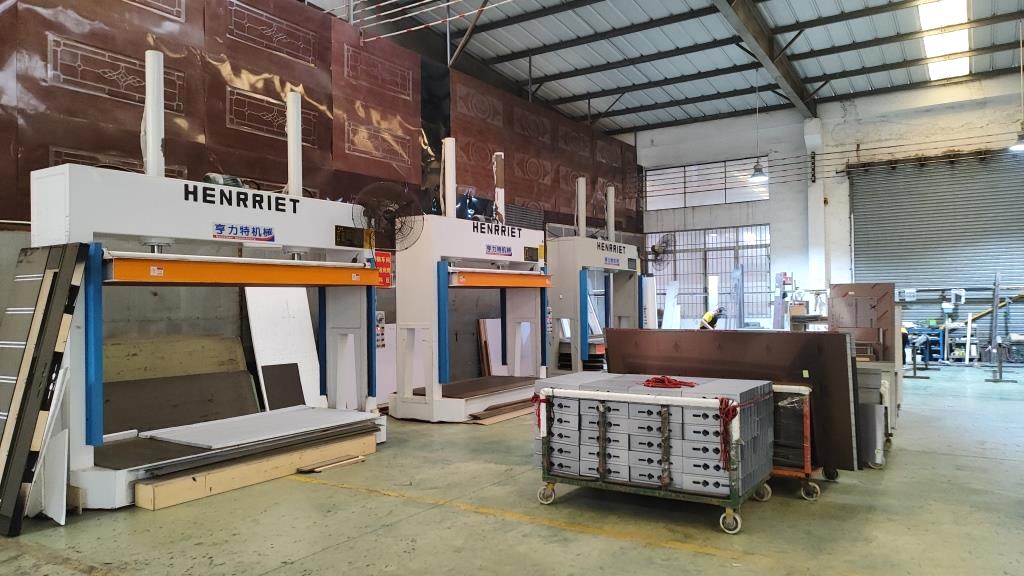
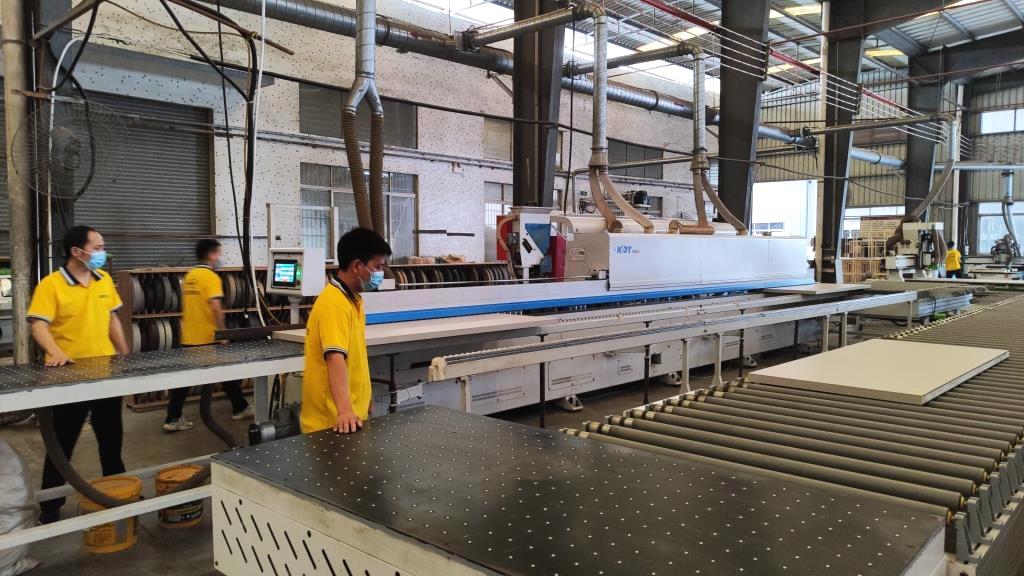
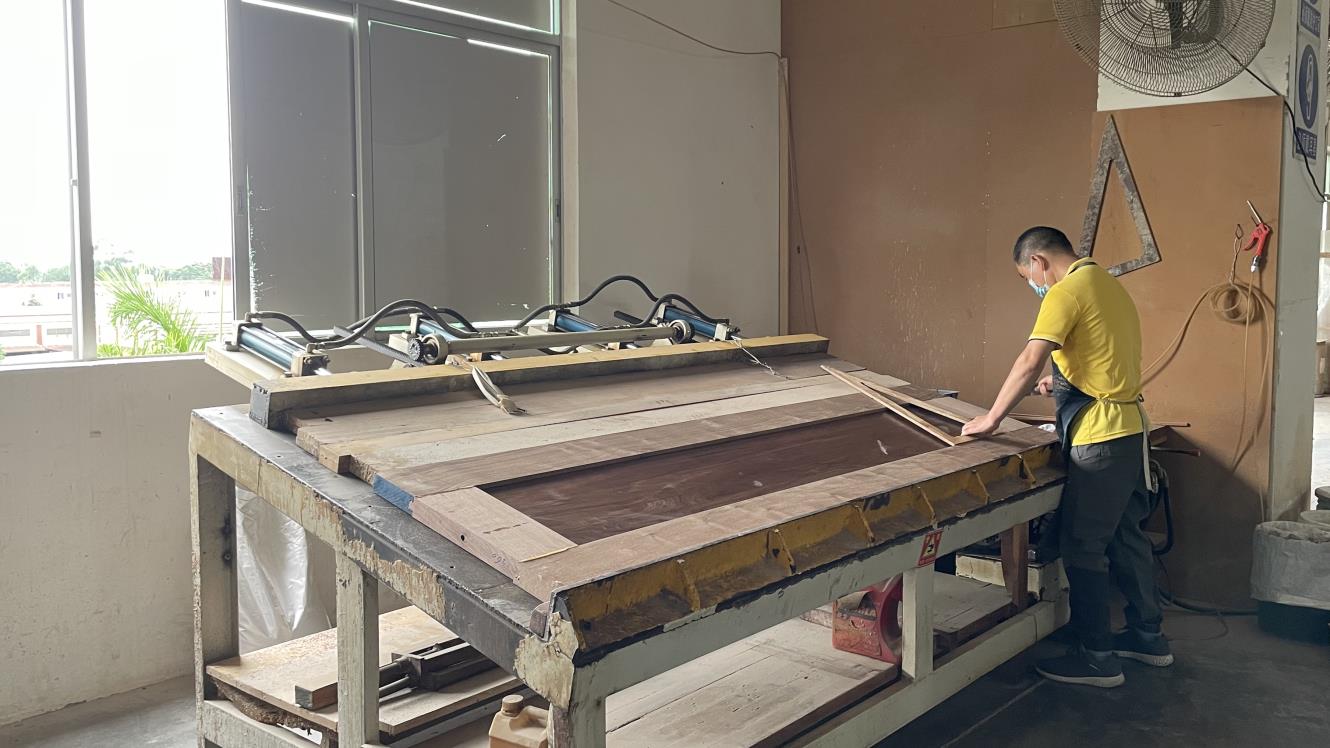
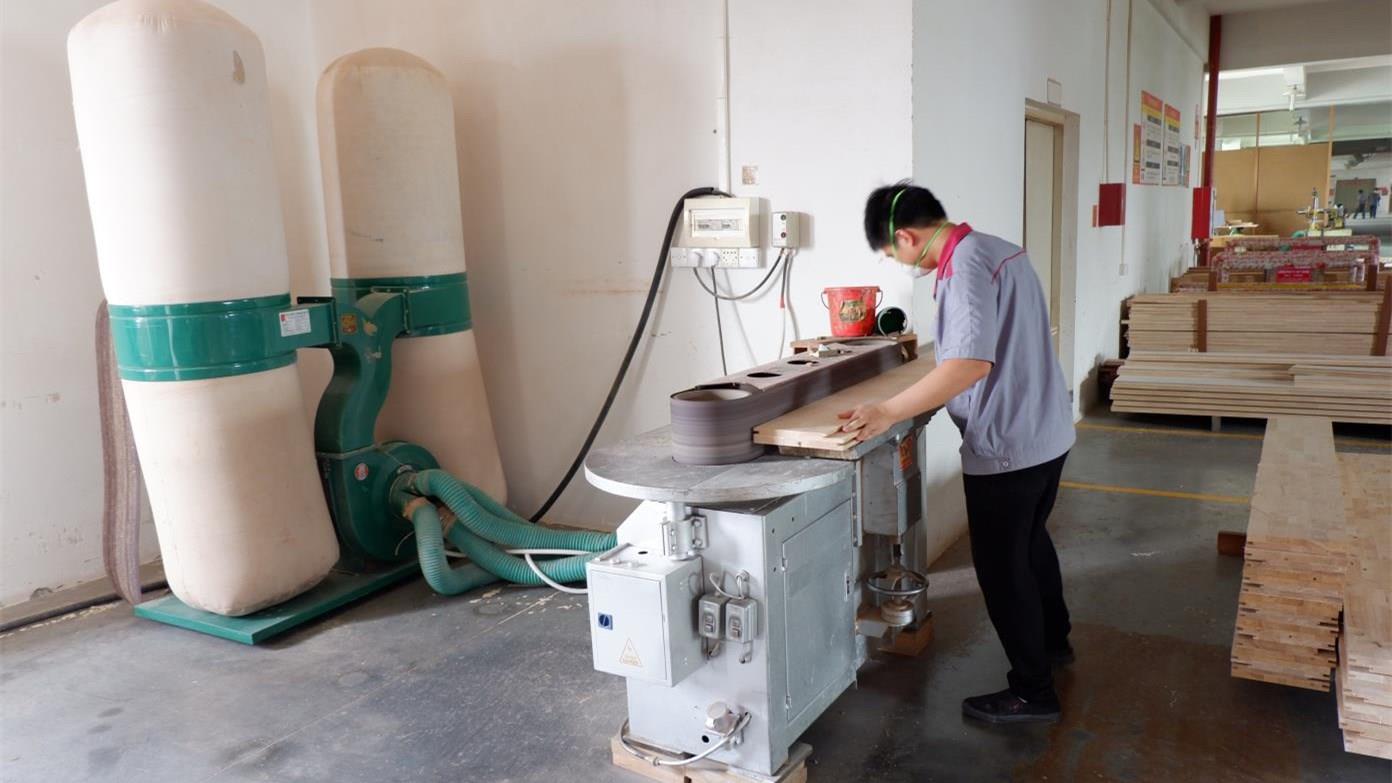
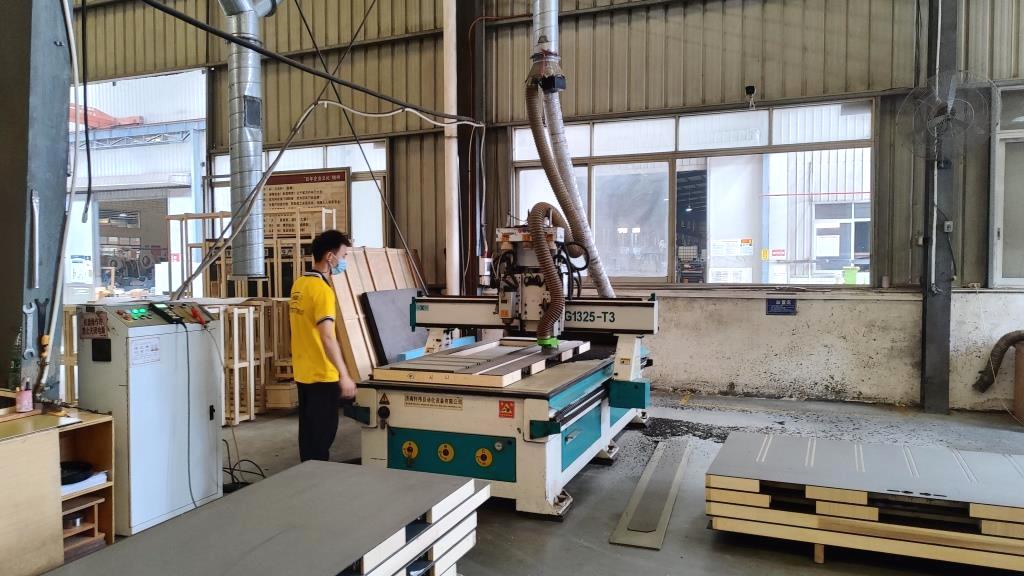
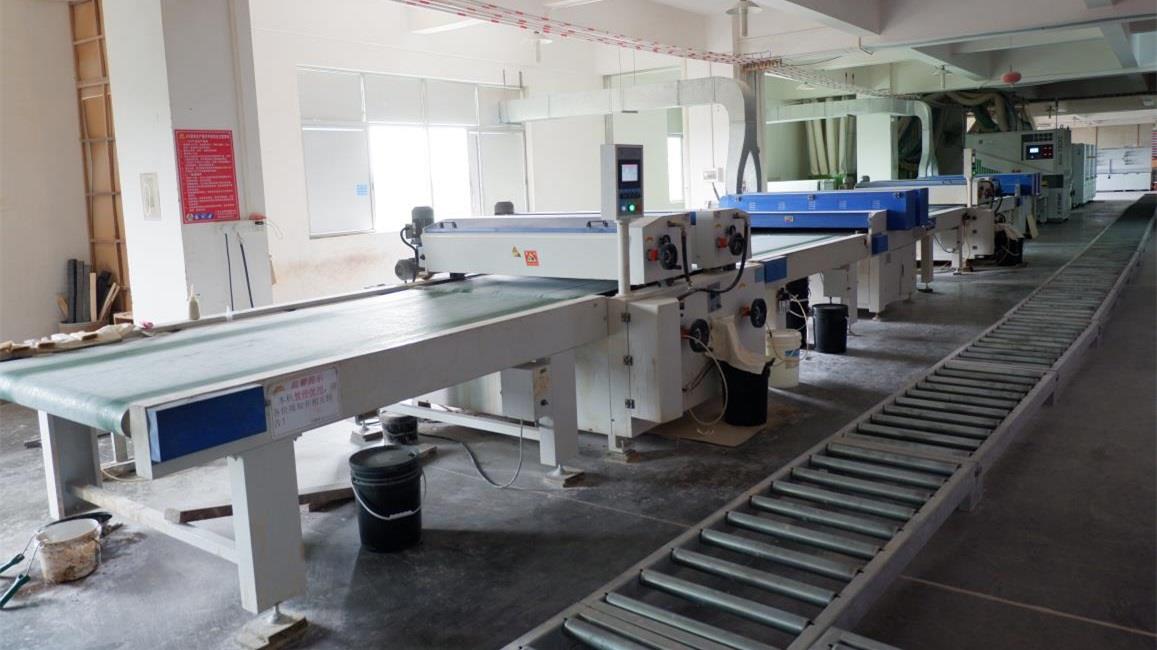
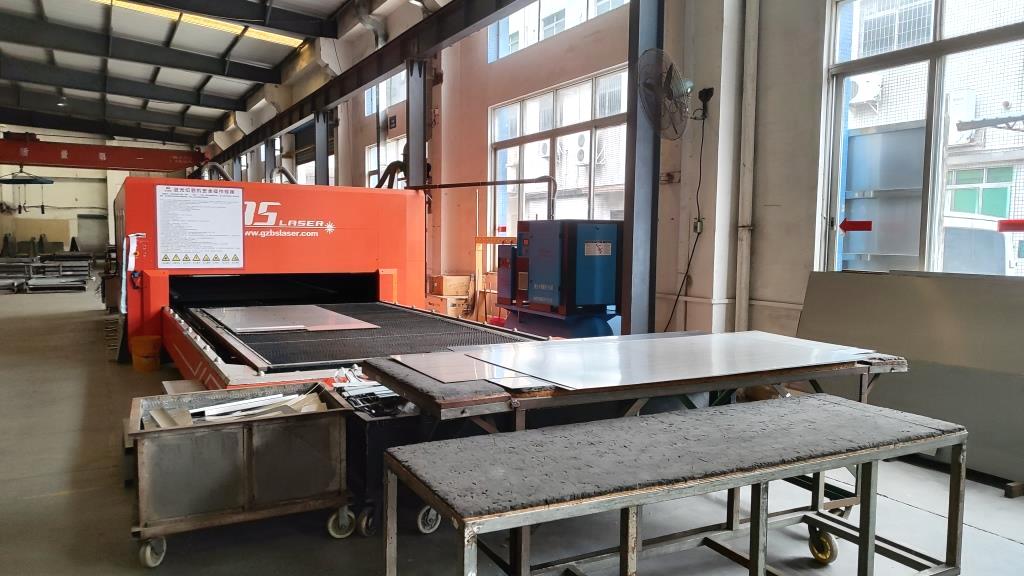
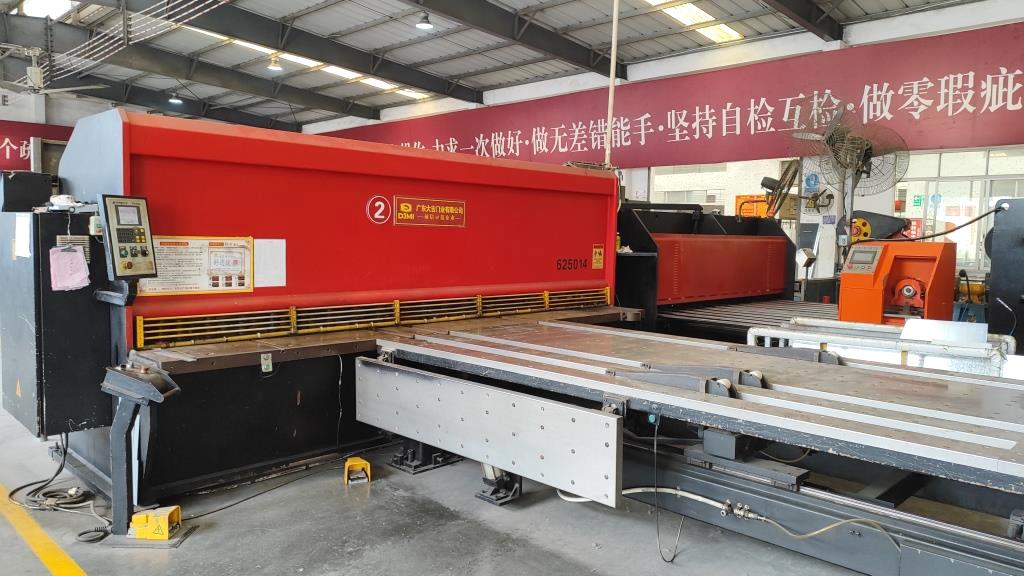
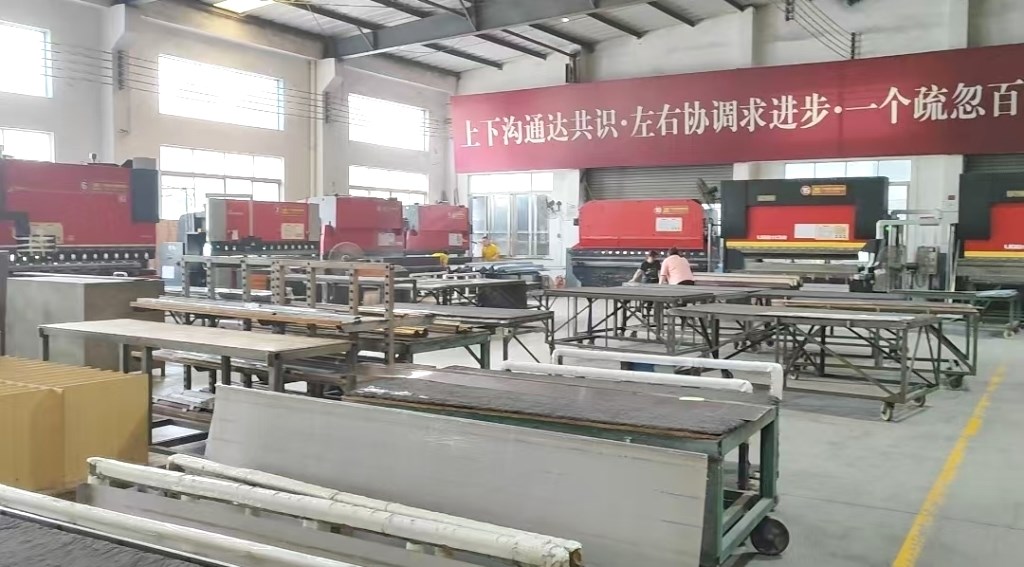
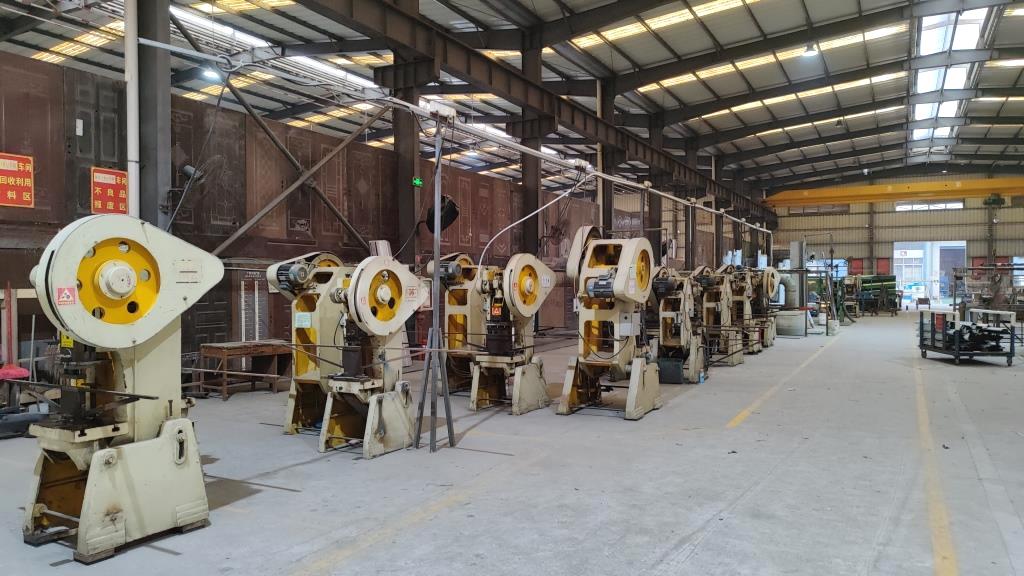
To improve product quality and manufacturing efficiency, Larsom Door has invested in automated production equipment, including CNC laser cutting machines, CNC bending machines, automatic welding systems, high-speed turret punching machines, automatic sanding machines, and modern powder coating production lines. These facilities, combined with our quality control procedures, ensure that every door meets international performance standards.
Quality is the foundation of our business. Larsom Door implements quality management throughout every production stage, from raw material selection to final inspection. Our products comply with international standards and have earned an excellent reputation among customers in over 130 countries and regions across Europe, the Middle East, Africa, South America, Southeast Asia, and Central Asia.
Analyzing the raw material supply chain, industrial clustering, and technological advantages that make China the leading exporter of engineered flush doors.
China's industrial zones bring together key resources like sustainably harvested timber, chemical bonding agents, PVC veneers, and precision hardware within small geographic areas, minimizing logistical delays.
Top-tier manufacturers maintain in-house testing labs to monitor key properties like mechanical load capacity, formaldehyde emissions, cyclic wear, fire ratings, and moisture barrier integrity.
With CAD/CAM modeling pipelines, Zhejiang Larsom can manufacture different sizes, fire ratings, acoustic configurations, and surface designs on the same production line with minimal setup time.
Modern architectural design requires interior and exterior doors to serve as functional thermal, acoustic, and safety barriers rather than simple partitions. The global building products market shows several key trends:
Different development projects require specific door structures to meet building codes. The table below lists typical recommended configurations:
| Building Sector | Primary Door Category | Recommended Core & Material | Performance Standard Required |
|---|---|---|---|
| Luxury Hotels & Clubs | Acoustic & Fireproof Wood Doors | Solid mineral core or heavy-duty tubular particleboard; luxury veneer face. | BS 476 / EN 1634 Fire Rated (30-60min); STC > 38dB sound insulation. |
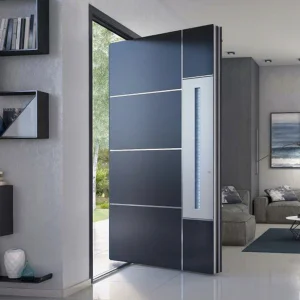
| High-End Villas | Cast Aluminum & Armored Pivot Doors | Solid wood core with zinc-plated steel plate reinforcing and cast aluminum facing. | High security anti-theft; thermal insulation; weatherproofing. |
| Commercial Offices | Minimalist Glass-Sliding & Flush MDF | Engineered LVL stiles & rails, high-density MDF facing with PVC veneer. | Durability; low-formaldehyde (E0 grade); wear resistance. |
| Residential Bathrooms | Waterproof WPC & Glass Infill Doors | Extruded Wood Plastic Composite shell with hollow-chamber insulation. | 100% Waterproof; warp-proof; anti-mildew under high humidity. |
| Institutional Classrooms | Heavy-Duty Steel-Wood Composite Doors | Stiffened steel frame wrap with compressed engineered timber infill. | High impact resistance; cyclic durability testing (>200,000 cycles). |
Expert answers to common technical, structural, and logistical questions raised by architects, developers, and international procurement managers.
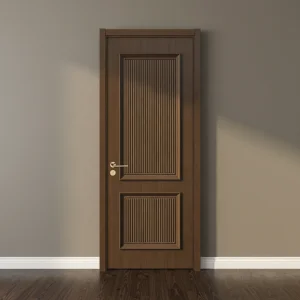
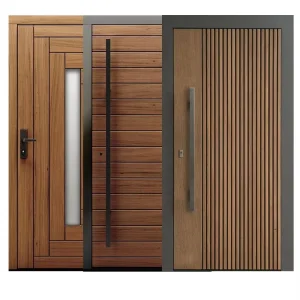
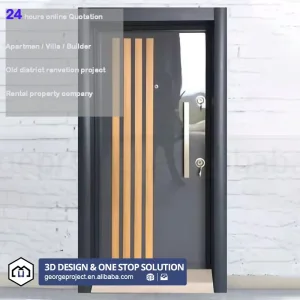
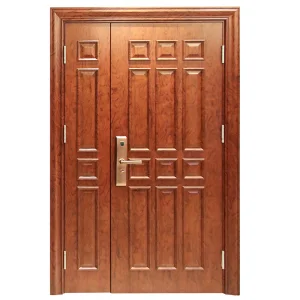
Explore our high-durability entrance, armored, and specialty wooden composite systems, designed for modern security and styling requirements.
 Larsom Door