Engineered to deliver optimal thermal retention, structural stability, and security standards.
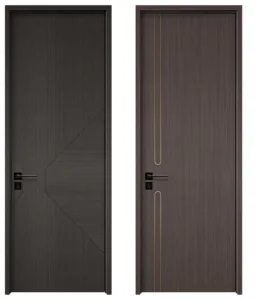
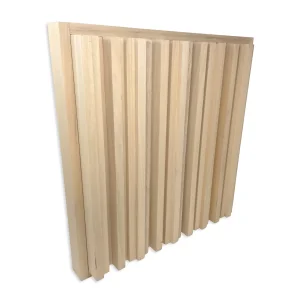
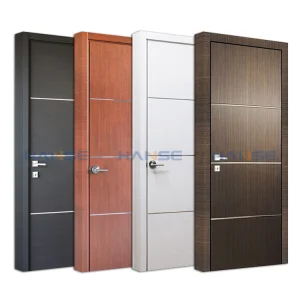
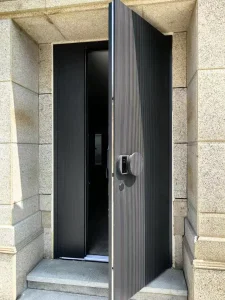
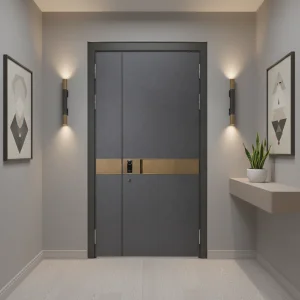
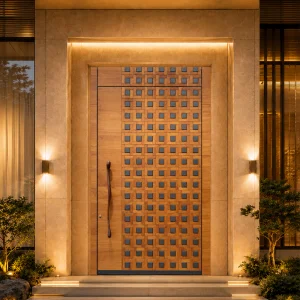
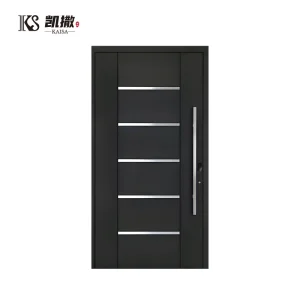
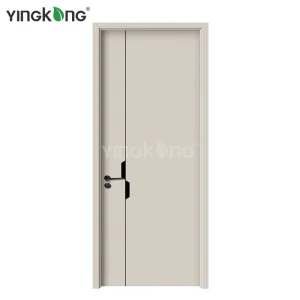
In contemporary building design, entryways serve as both the aesthetic threshold and the primary line of security. Unlike traditional solid wood, which is highly susceptible to structural warping, splitting, and hygroscopic expansion under varying moisture profiles, Engineered Wood Entry Doors are meticulously developed as multi-layered composite structures. By cross-banding thin veneers or dense substrates around engineered cores, manufacturers create doors that exhibit exceptional dimensional stability, elevated thermal efficiency, and superior resistance to environmental degradation.
This structural balance is achieved by utilizing laminated veneer lumber (LVL), high-density fiberboard (HDF), and specialized engineered cores (such as mineral boards or polyurethane foams) to dissipate natural structural tensions. The outer layers are typically finished with natural hardwood veneers (e.g., teak, oak, walnut), anti-scratch polymer sheets (PVC/WPC), or custom aluminum/steel armored plates. The result is a robust barrier designed to withstand high-traffic commercial environments and harsh external weathering while maintaining the premium organic texture of wood.
Zhejiang Larsom Door Co., Ltd. is a leading manufacturer specializing in the research, development, engineering, and global export of high-grade security doors, armored doors, composite steel-wood systems, and bespoke architectural entrance solutions. Driven by a commitment to security, precision engineering, and elegant styling, Larsom has established itself as an essential supplier for large-scale developments across the globe.
Our expansive manufacturing facility spans over 16,000 square meters of state-of-the-art production floor space. Staffed by an experienced workforce of more than 160 specialized technicians and engineers, our factory boasts a daily manufacturing output exceeding 200 sets of customized doors. This volume ensures we remain fully capable of meeting tight project delivery timelines for commercial complexes, residential developments, and custom high-end estate builds.
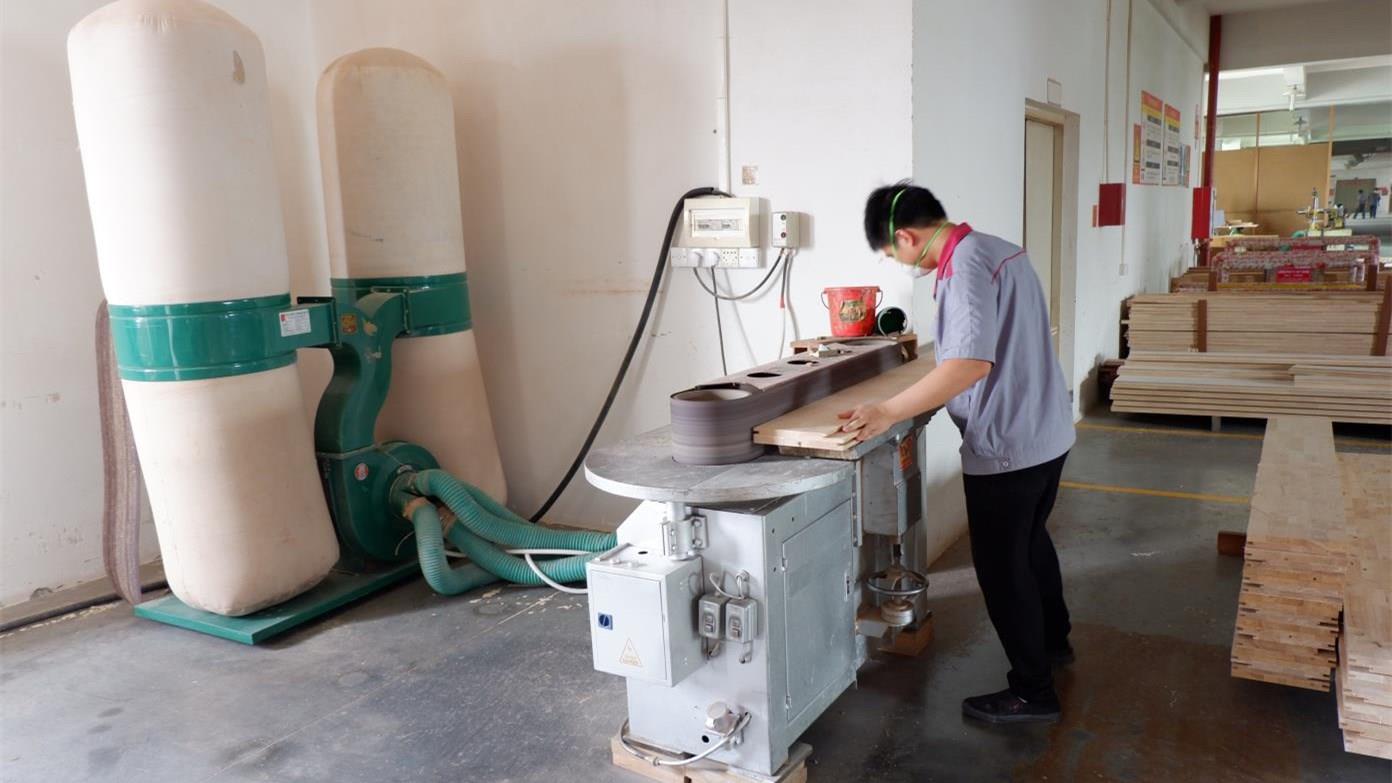
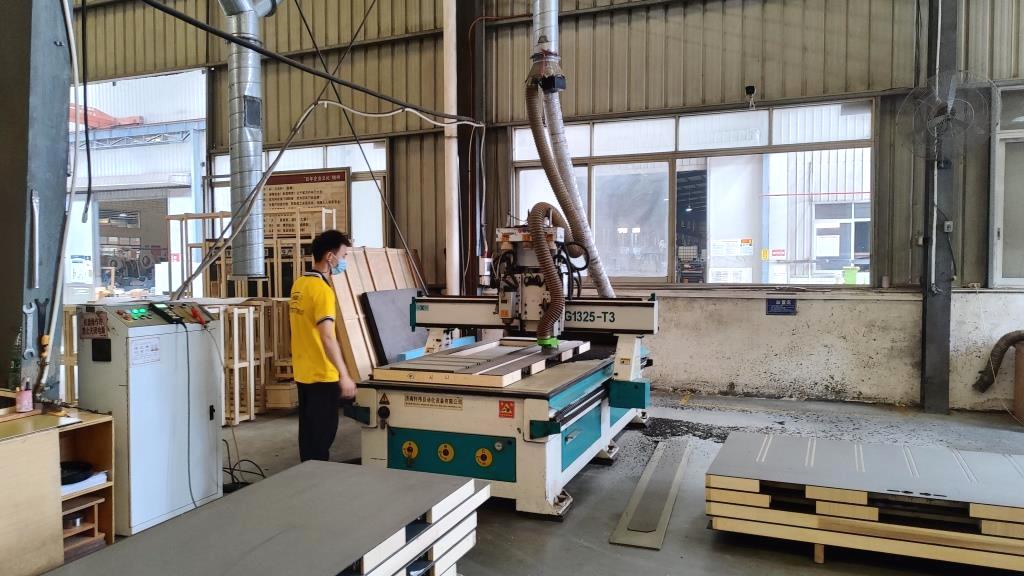
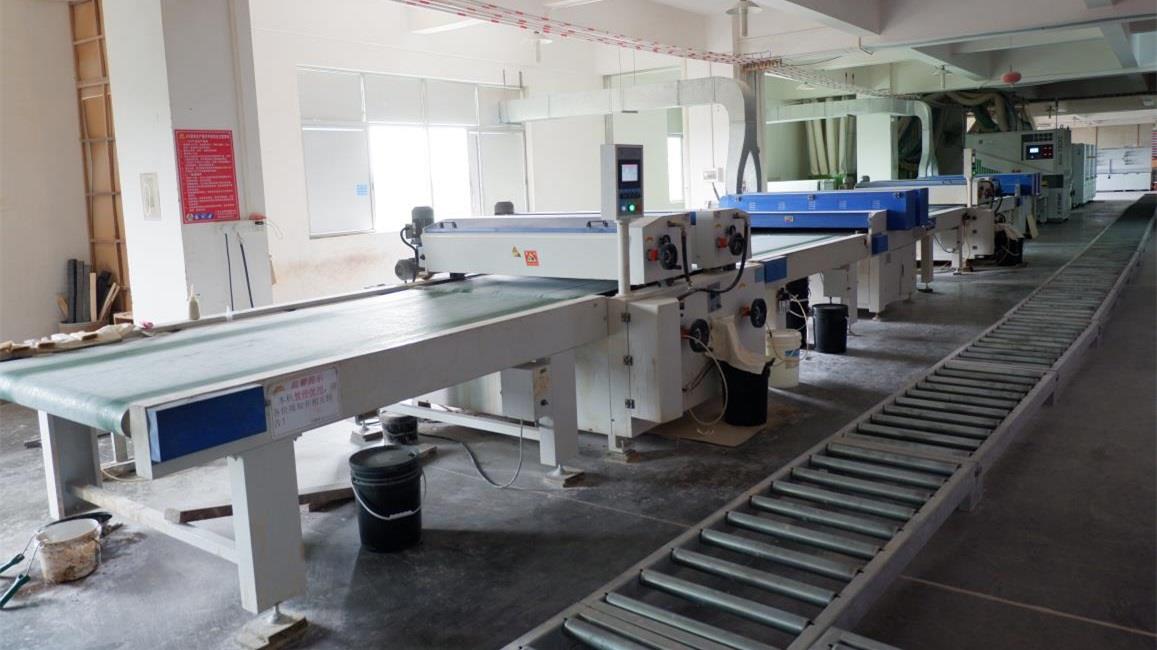
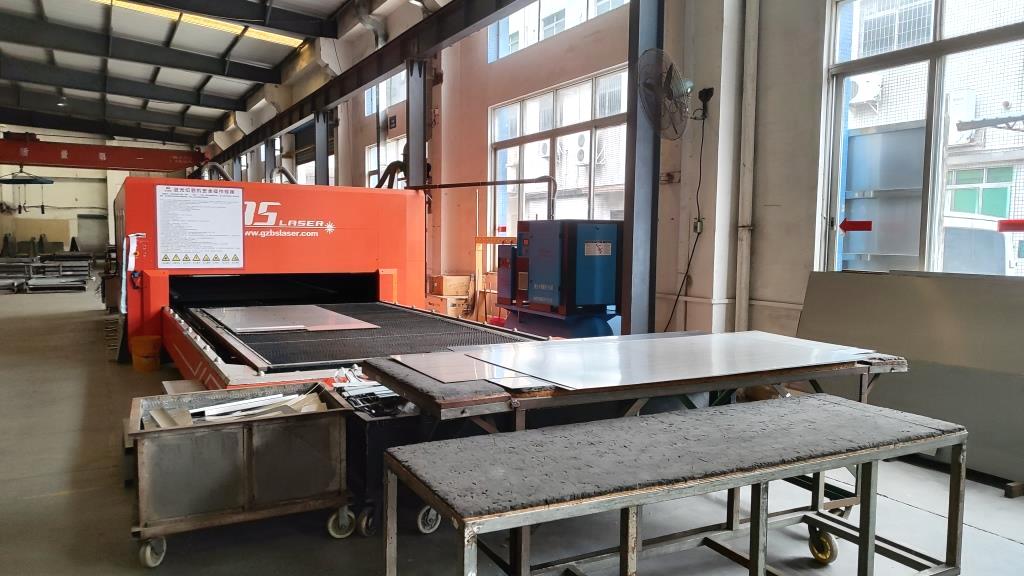
To assure absolute manufacturing accuracy, we have integrated advanced automated machinery into our production floor, including CNC laser cutters, high-precision CNC bending machines, automatic welding stations, high-speed turret punches, automated calibrating sanders, and dust-free UV coating systems. These capabilities allow us to manage structural tolerances to a fraction of a millimeter, guaranteeing that every door leaf aligns perfectly within its frame.
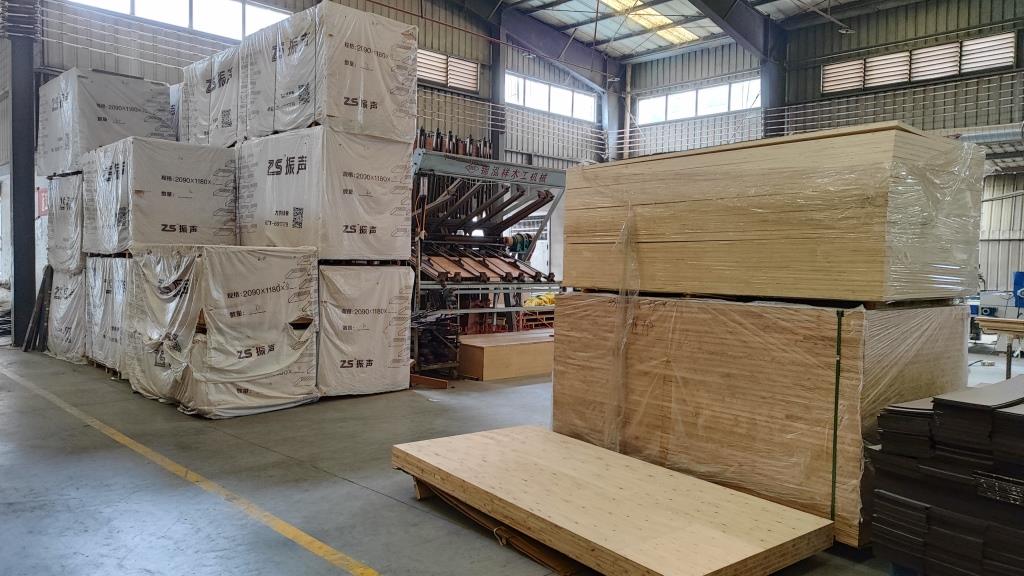
A step-by-step display of our automated, high-precision engineering workflows.
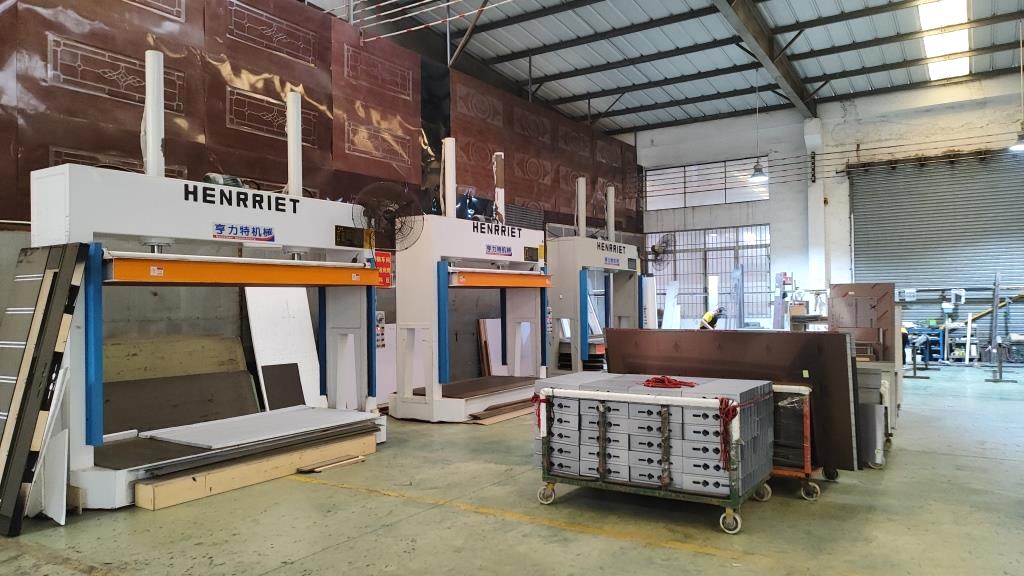
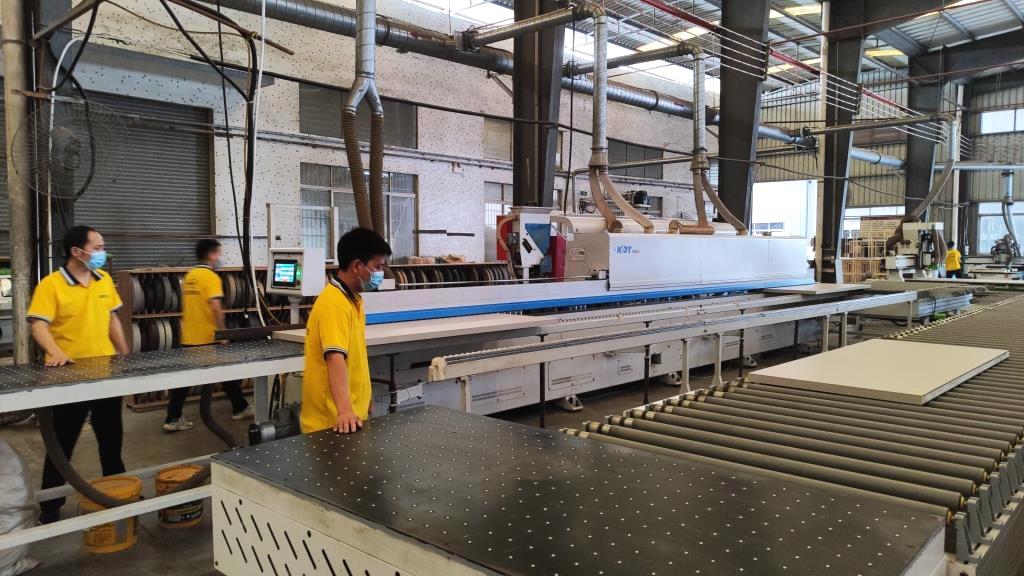
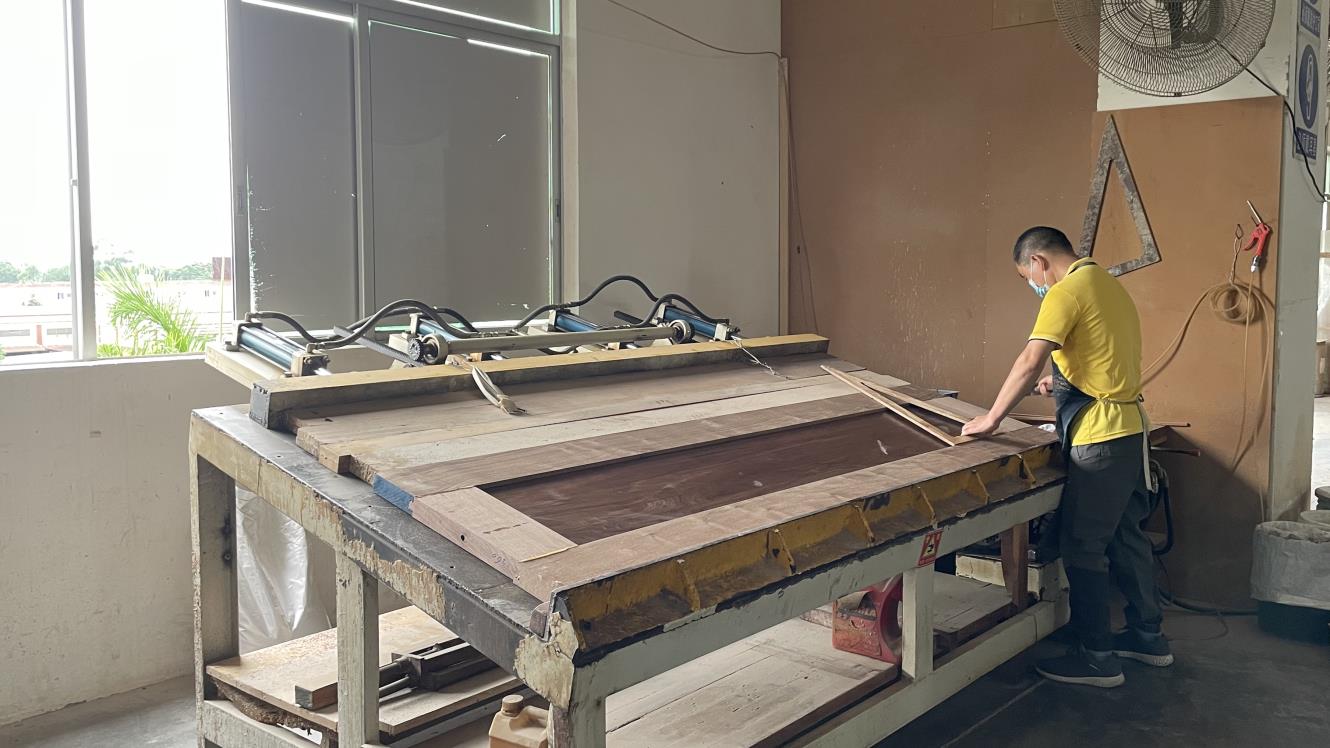
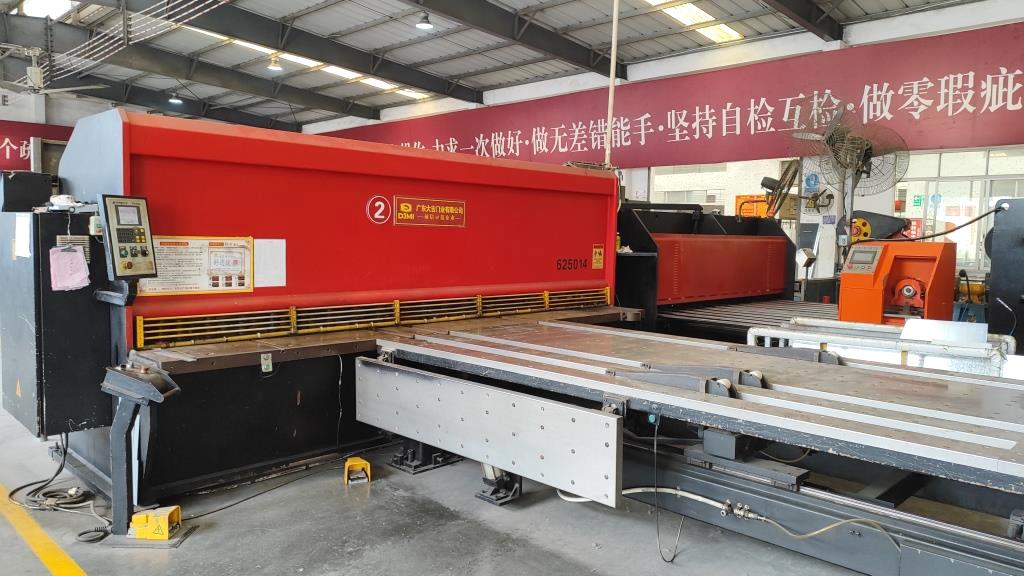
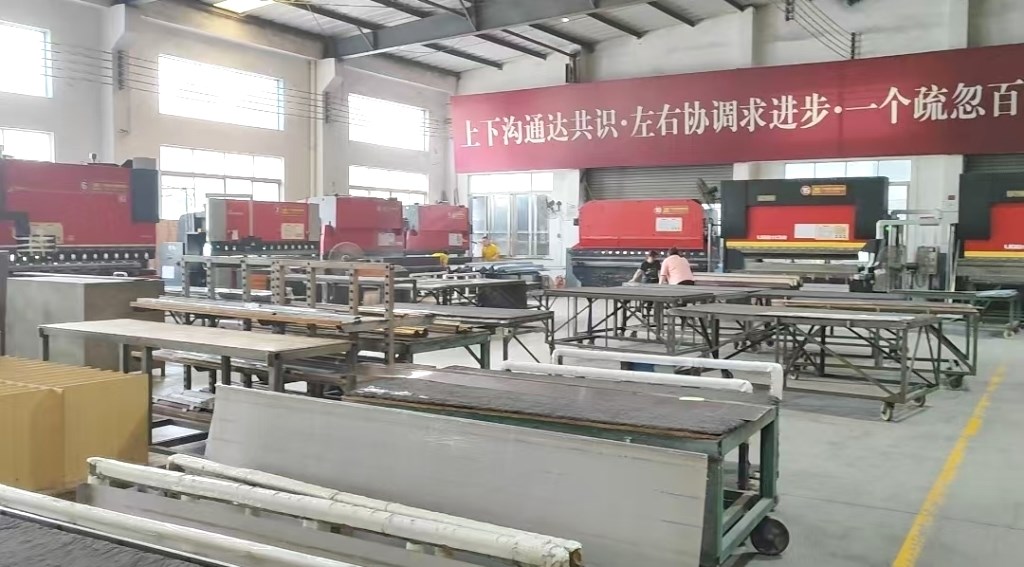
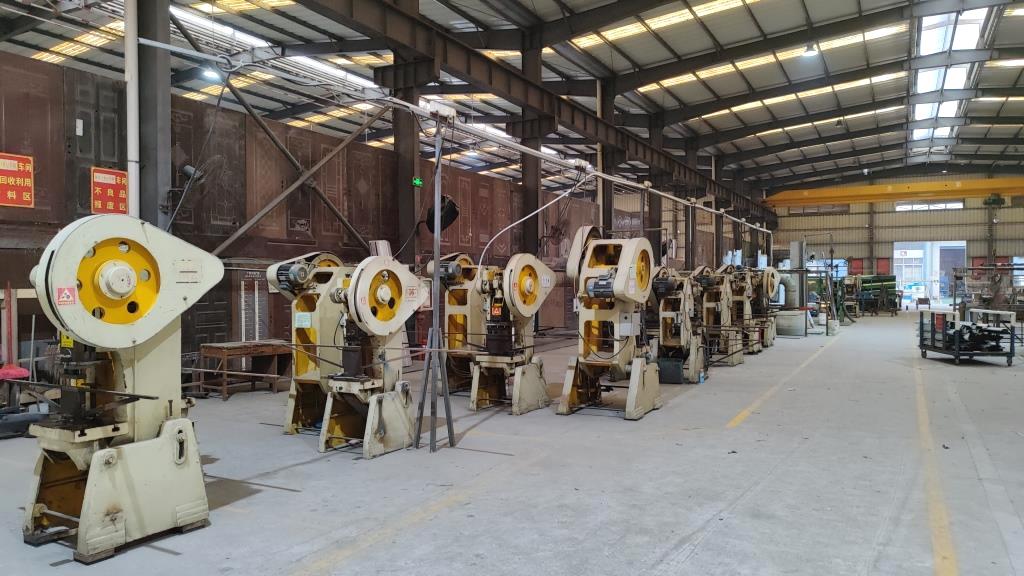
A statistical summary demonstrating our manufacturing capability and market penetration.
Tailored door engineering configured for demanding projects and strict local building codes.
For large developments in regions like Oman and the Middle East, our engineered WPC and PVC door variants offer structural protection against fluctuating interior-exterior temperature zones. These systems are rot-resistant, anti-termite, and maintain consistent dimensional tolerances over long lifespans.
Utilizing high-end MDF panels mechanically bonded to thick interior steel frames, our armored entry solutions serve as an effective physical security layer. These doors are commonly specified in luxury villas and multi-family residential complexes requiring heavy anti-burglary hardware and premium timber cladding.
In professional spaces, recording studios, or office conference areas, sound mitigation is critical. By incorporating multi-layer acoustic dampening boards, soundproof seals, and dense solid-core structures, our doors reliably reduce flanking transmission (high STC rating classifications).
A closer look at the material science, structural profiles, and performance ratings of our doors.
To assist architects, facade engineers, and procurement managers in selecting the ideal entrance systems, we provide a comparison of our engineered core configurations below. Our materials are continuously tested for fire endurance, sound transmission loss, and wind load resistance.
| Core Type | Density Range | Thermal U-Value | Sound Attenuation | Best Application |
|---|---|---|---|---|
| Laminated Veneer Lumber (LVL) | 650 - 750 kg/m³ | ~1.2 W/m²K | Up to 34 dB | Standard residential entrance, interior flush doors |
| Steel-MDF Armored Core | Over 1100 kg/m³ | ~1.4 W/m²K | Up to 42 dB | Luxury Villa main entrances, high-security apartments |
| Mineral Fiber Fire Core | 800 - 900 kg/m³ | ~0.9 W/m²K | Up to 38 dB | Fire-rated commercial paths, hotel corridors |
| WPC Composite Board | 850 - 950 kg/m³ | ~1.3 W/m²K | Up to 30 dB | Humid environments, coastal projects, balcony transitions |
*All values are based on laboratory testing under standard conditions (ISO 10077-1). Actual values may vary based on exact panel dimensions, lockset cutouts, and installation configurations. Custom thermal break profiles are available on request for extreme climates.
Exporting to over 130 countries and regions means our products must consistently meet varying local building codes. Whether it is compliance with the EU's CE marking directives, British Standard (BS 476) fire certifications, or Middle Eastern wind-load and heat resistance specifications, Larsom Door's engineering team designs with strict compliance in mind.
We work closely with global certification bodies to test our security cores for anti-burglary performance, mechanical structural strength, and cycles of operation. Our factory operates under a strict ISO 9001:2015 Quality Management System, where every phase—from sheet shearing and CNC profile bending to multi-point lock alignment—is carefully monitored and documented for trace-ability.
Innovation for smart homes and carbon-neutral green building materials.
We are actively developing built-in frame conduits for 3D face recognition locks, biometrics, and IoT access controls. This eliminates unsightly external wiring and provides clean, tamper-proof hardware routing for smart residential projects.
To reduce VOC emissions, our R&D is transitioning to soy-based, formaldehyde-free binders for our engineered wood cores, aiding projects in securing LEED and BREEAM certifications.
By blending fine wood veneer grains with exterior-grade fluorocarbon coatings, our doors resist intense UV radiation and prevent fading, surface checking, and micro-cracking in coastal applications.
Answering key structural, shipping, and engineering questions for trade buyers.
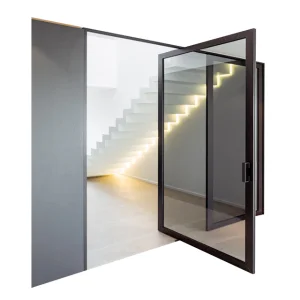
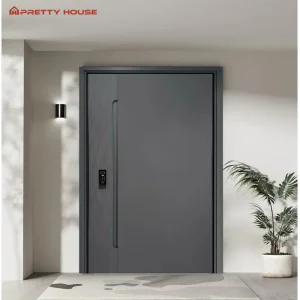
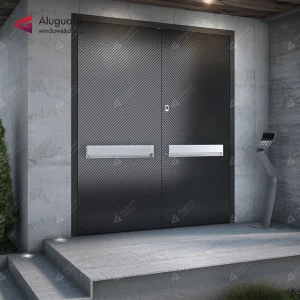
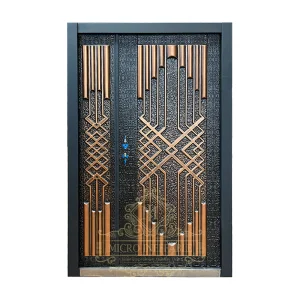
Explore our heavy-duty armored, bulletproof steel, and pivot door variants.
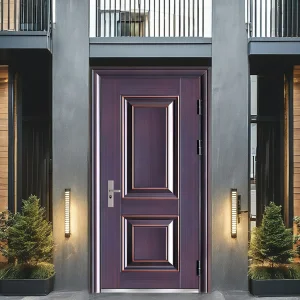
 Larsom Door