Explore our top-tier engineering solutions, certified under ISO9001 and European standard protocols for commercial and residential installations.
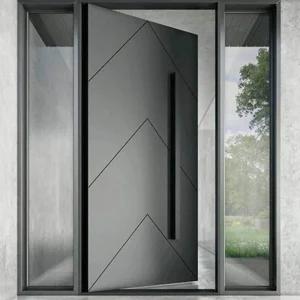

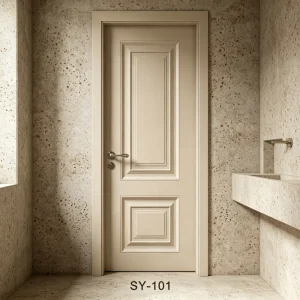
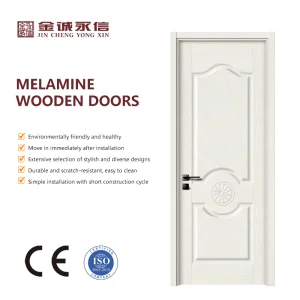
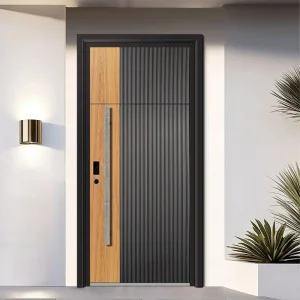
In modern architecture and commercial project specification, choice of interior door core materials dictates long-term build efficiency, maintenance cycles, and compliance safety. Traditional solid timber and MDF profiles, while aesthetically familiar, suffer from inherent physical vulnerabilities: anisotropic swelling, low shear strength under rapid humidity cycles, and susceptibility to subterranean biological degradation. Melamine Faced Wood-Plastic Composite (WPC) doors have emerged as the definitive material science answer to these problems, blending synthetic polymer stability with natural structural wood fibers.
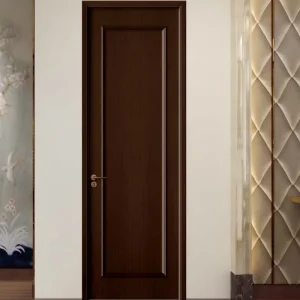
A WPC core is created through the precision extrusion of fine hardwood particles crystallized within a premium PVC or high-density polyethylene (HDPE) polymer matrix. This raw core is chemically and physically cross-linked under elevated thermal pressure, resolving the cellular vulnerabilities of pure timber. By capping this robust material with a specialized melamine surface layer, the door system gains unmatched structural resilience, high impact performance, and a completely moisture-proof shell.
Analyzing the cross-section of a high-performance Melamine Faced WPC door reveals three main structural components engineered to perform under load:
Empirical laboratory assessments showing WPC doors outperforming traditional timber and standard PVC-wrapped options across critical structural dimensions.
Compared to typical raw timber (which shifts 4% to 8% in thickness when exposed to seasonal moisture transitions), our WPC formulation stabilizes at a negligible fraction of a percent. This physical balance makes Melamine Faced WPC doors ideal for challenging high-moisture locations, such as tropical coastal regions, bathroom installations, hospital wet rooms, and basement entryways.
In international commercial construction, material sourcing requires rigorous proof of safety, environmental responsibility, and mechanical durability. Our entire design and manufacturing operation at Zhejiang Larsom Door Co., Ltd. is governed by European Conformity (CE) requirements, verifying that every door assembly meets strict construction product directives (EN 14351-1).
For architectural specifiers, sourcing CE-certified products reduces risk and simplifies regional regulatory reviews. If you are importing materials for projects in the EU, the Middle East, or the Americas, our technical documentation package—which includes Declarations of Performance (DoP), structural load metrics, and acoustic damping reports—is readily available to streamline your approval workflows.
For international supply procurement, manufacturing capacity and quality control consistency are just as important as unit pricing. Operating from a modern facility in Zhejiang, China, Zhejiang Larsom Door Co., Ltd. is a leading manufacturer in high-performance door system design and mass production.
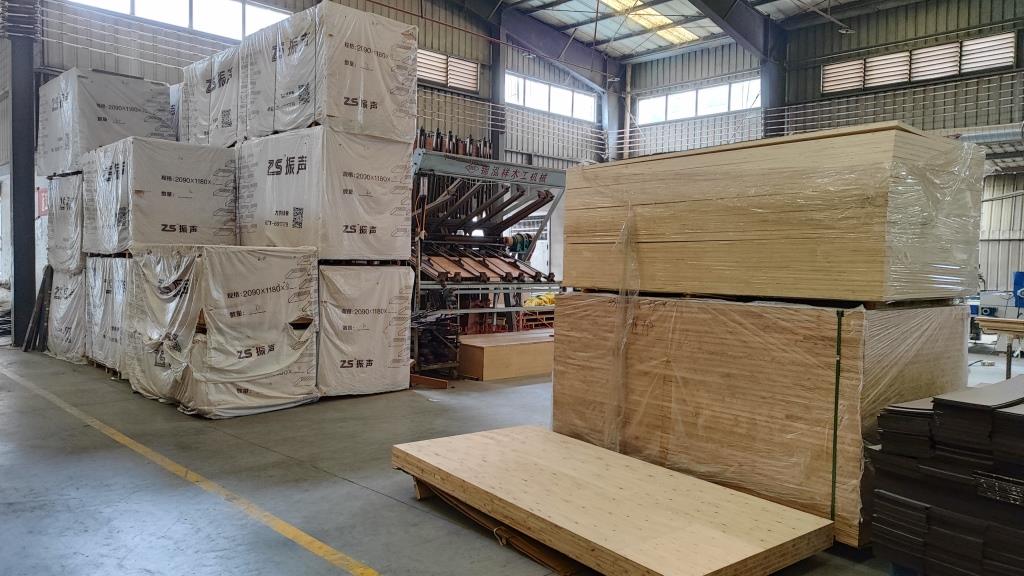
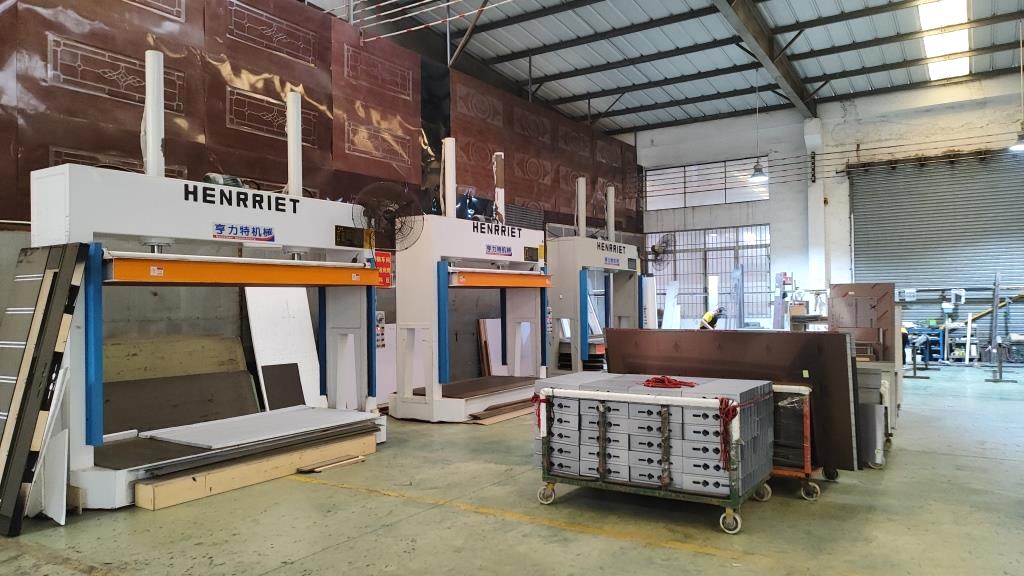
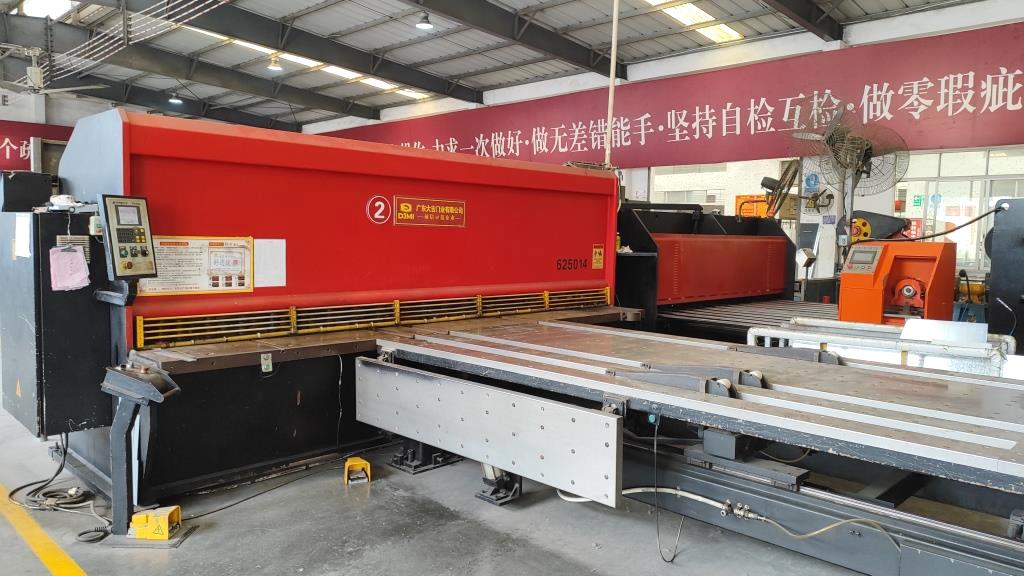
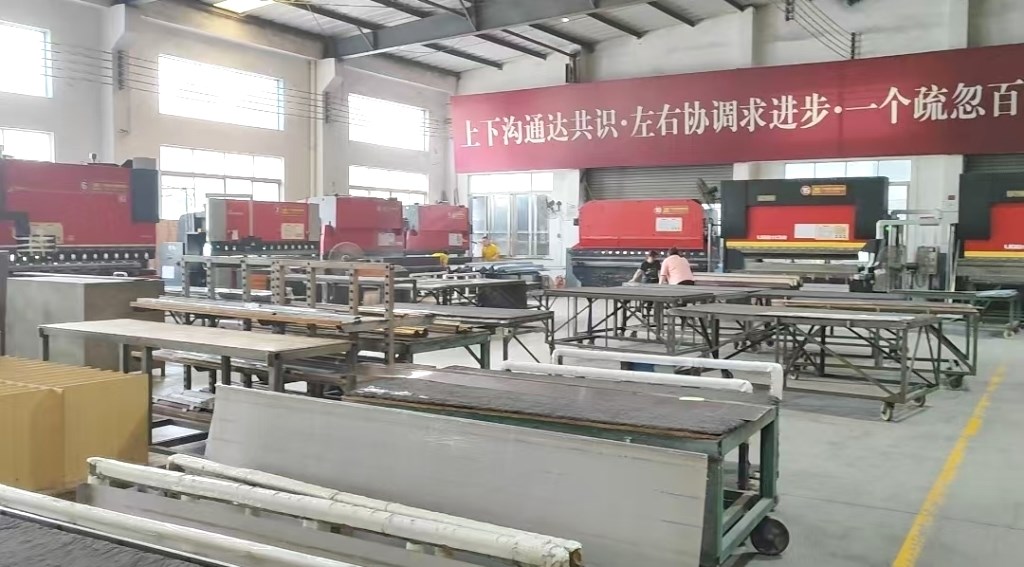
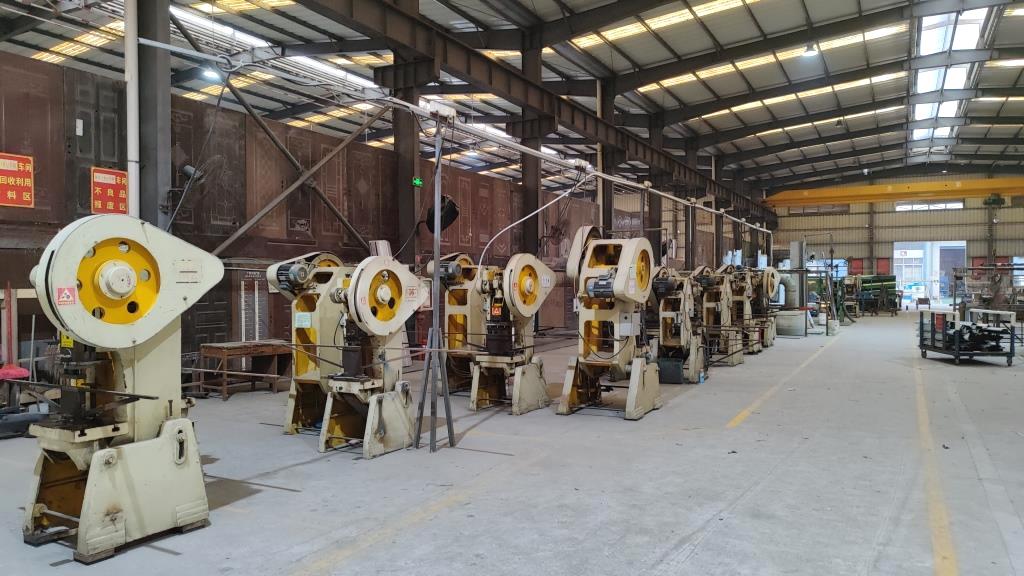
Spanning a modern layout of over 16,000 square meters and staffed by an experienced team of 160+ industry professionals, our plant is built for high-throughput precision. With a consistent output capacity of over 200 premium doors per day, we efficiently serve large-scale residential developments, luxury hotels, and commercial office projects without compromising on delivery timelines.
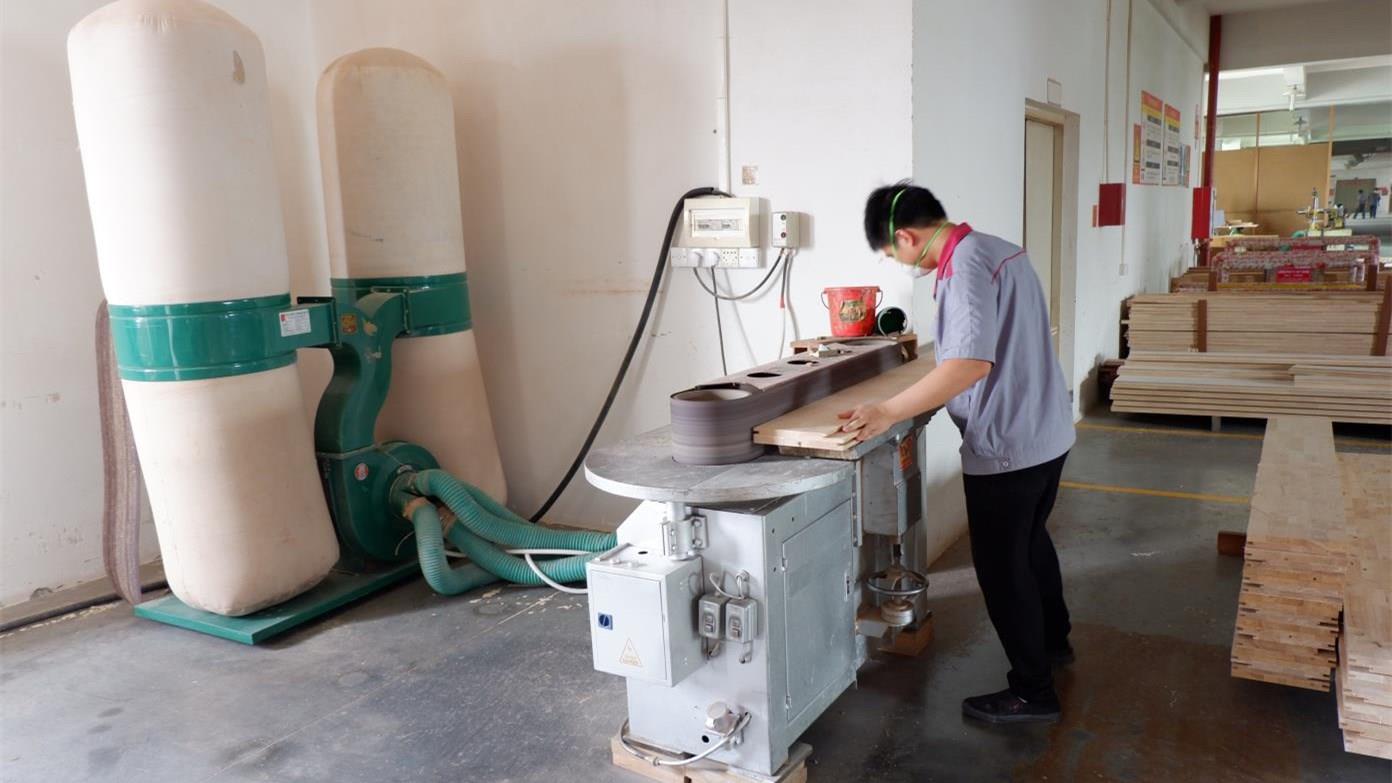
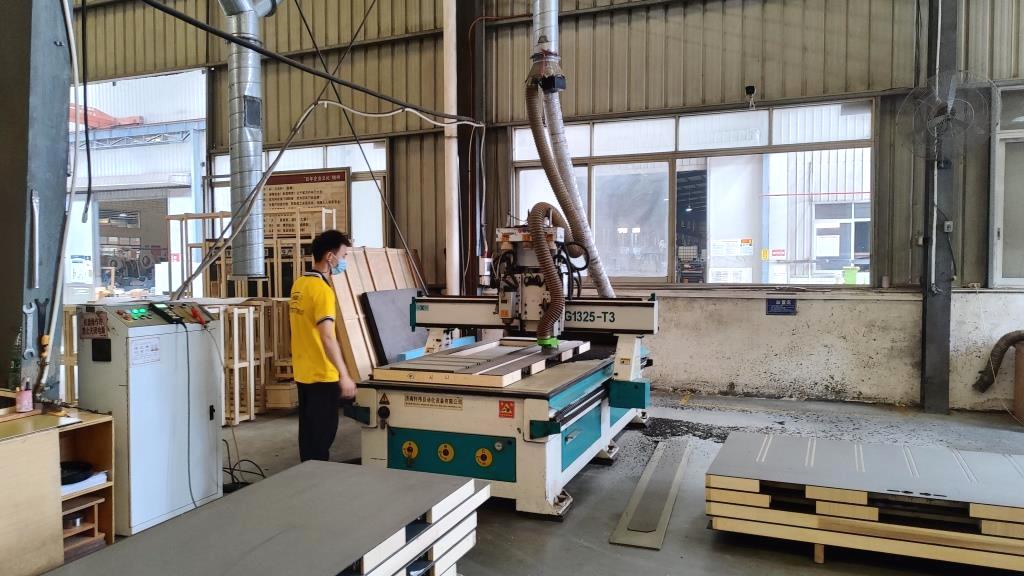
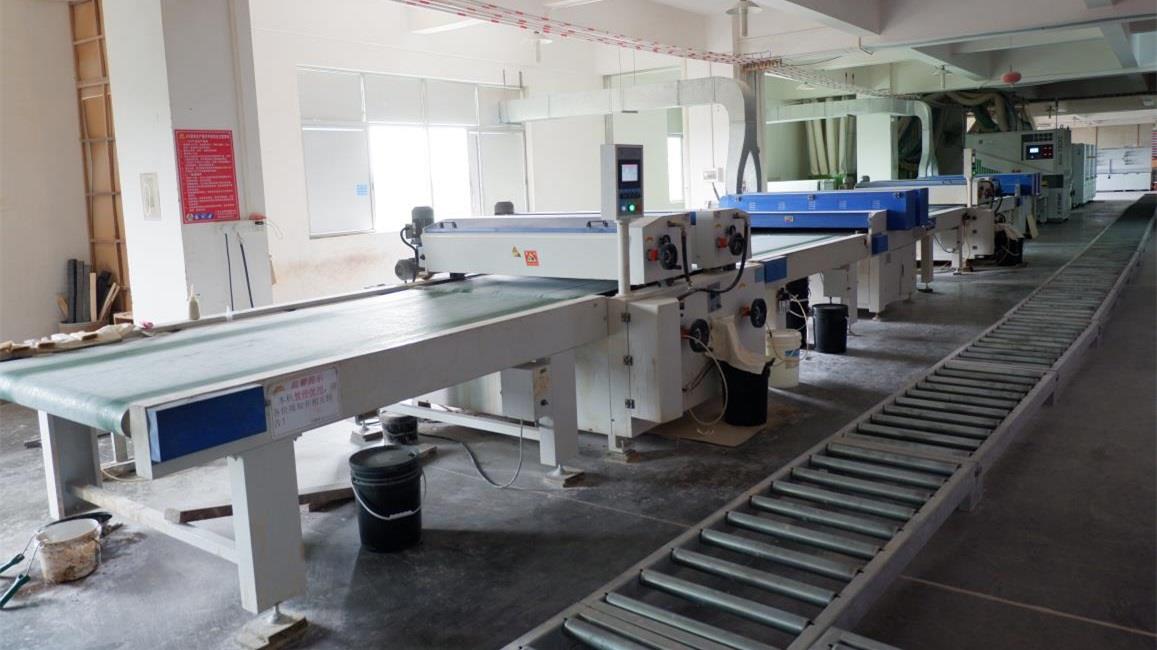
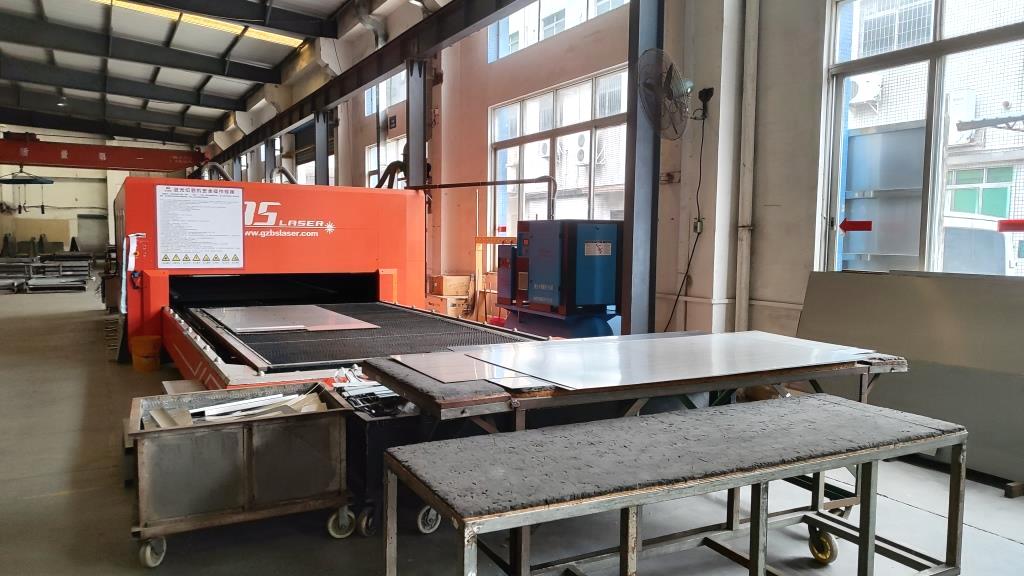
Equipped with advanced CNC laser cutters, automatic plate-bending machines, high-speed turret punch systems, and continuous UV curing tunnels for consistent precision.
Strict quality gates monitor every step from the initial wood flour mix and extrusion parameters to edge sanding accuracy, engraving precision, and final hardware installation checks.
Exporting to over 130 countries across Europe, the Middle East, Africa, and the Americas, our teams handle custom documentation, container loading, and multi-modal transport planning.
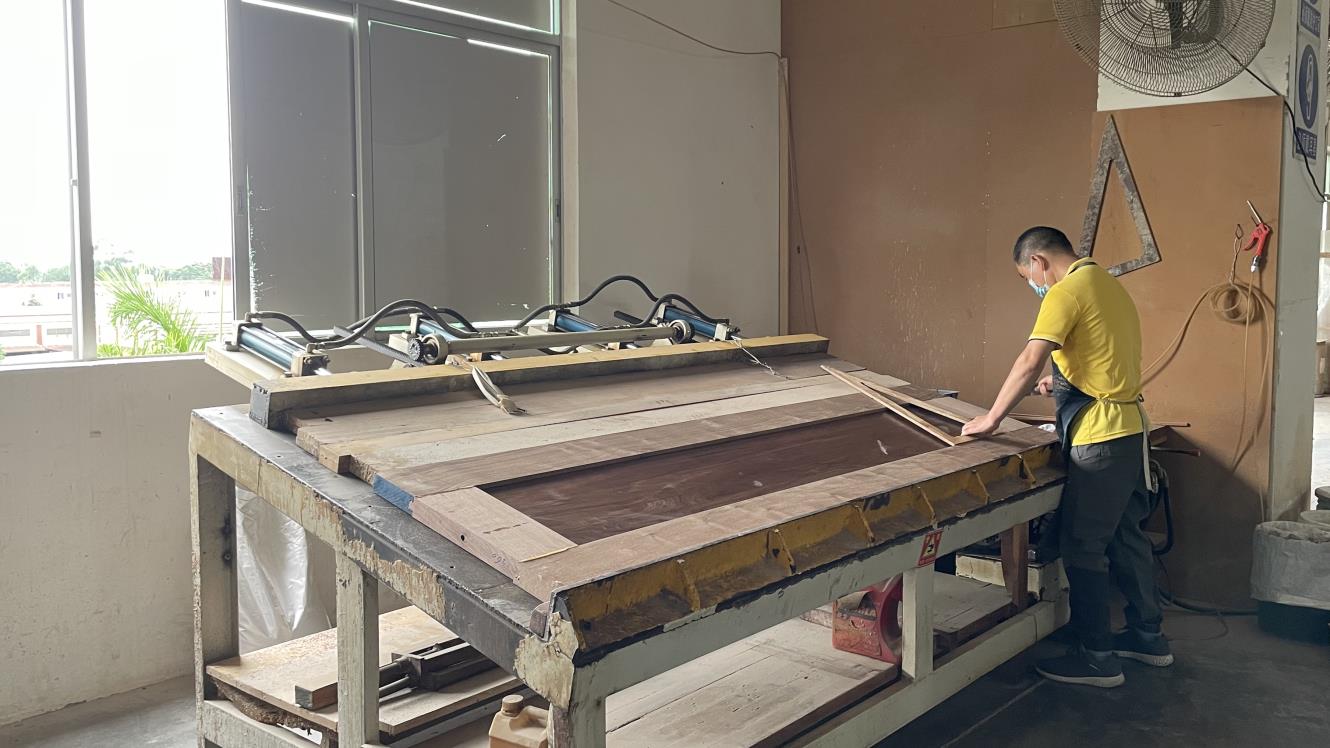
From raw composite sheet processing to precision edge-finishing and UV treatment, explore the steps that ensure our WPC doors deliver lasting performance.
Modern building projects face diverse microclimatic challenges. Choosing interior door systems requires looking beyond surface finish options. It demands evaluating material resistance to local environmental loads: UV radiation, wind-blown sand abrasion, chemical cleaners, and high traffic cycles. Melamine Faced WPC doors provide a versatile solution for these challenges across a range of applications.
Hospitals, clinics, and cleanrooms require strict sanitization protocols that expose doors to harsh chemical disinfectants and physical impacts from cart traffic. Standard wood doors can warp under repeated cleaning, while paint layers can chip and release particulates. The hard melamine outer shell of our WPC doors offers strong resistance to chemical stains and impact damage. Additionally, their waterproof design allows for direct washing without swell risks, helping maintain hygiene standards.
For hotel chains and high-density residential properties, acoustics and fire safety are crucial for guest comfort and building code compliance. The inner hollow core structures in our door designs function as sound dampening chambers. This reduces structural sound leakage across rooms to establish quiet environments. Combined with mineral core additives that meet fire-retardant standards, these doors help developers meet safety requirements while ensuring low ongoing maintenance costs.
Dry climates present a different challenge: high thermal changes and fine sand friction can dry out natural timber, leading to splitting along grain lines. Standard paint finishes can also fade under intense sunlight. Our UV-stabilized melamine overlays block ultraviolet degradation. They keep the door's original color intact and provide scratch resistance against wind-blown dust and sand, ensuring long-term aesthetic stability in arid settings.
Answers to common structural, environmental, and bulk procurement questions about Melamine Faced WPC door systems.
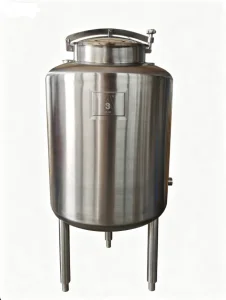
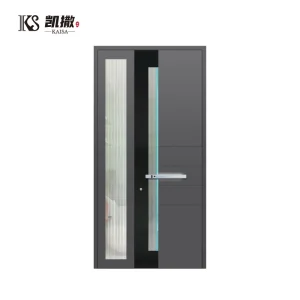
From single-tank storage configurations to heavy-duty entry systems, view our complete range of specialized industrial products.
 Larsom Door