When considering bathroom doors, homeowners often face the dilemma of choosing between traditional wooden doors and modern WPC doors. Understanding why choose WPC doors over traditional wooden doors for bathrooms is essential. Wooden doors, while classic, can warp and rot in humid conditions. This can lead to costly repairs and replacements. In contrast, WPC doors are engineered from wood and plastic composites. They resist moisture effectively, making them ideal for bathrooms.
WPC doors boast several advantages over their wooden counterparts. Their durability is notable, ensuring they withstand daily wear and tear. Specialized coatings also enhance their water resistance. This means lower maintenance costs for homeowners. Many may wonder if WPC doors compromise style for practicality. Fortunately, they come in various designs, offering a blend of aesthetics and functionality.
Nevertheless, not all homeowners are aware of the long-term benefits. Initial costs may seem higher, but the longevity of WPC doors often outweighs this concern. Choosing wisely can prevent future issues related to moisture damage. Therefore, the choice becomes clear: WPC doors provide a reliable, stylish, and practical solution for modern bathrooms.
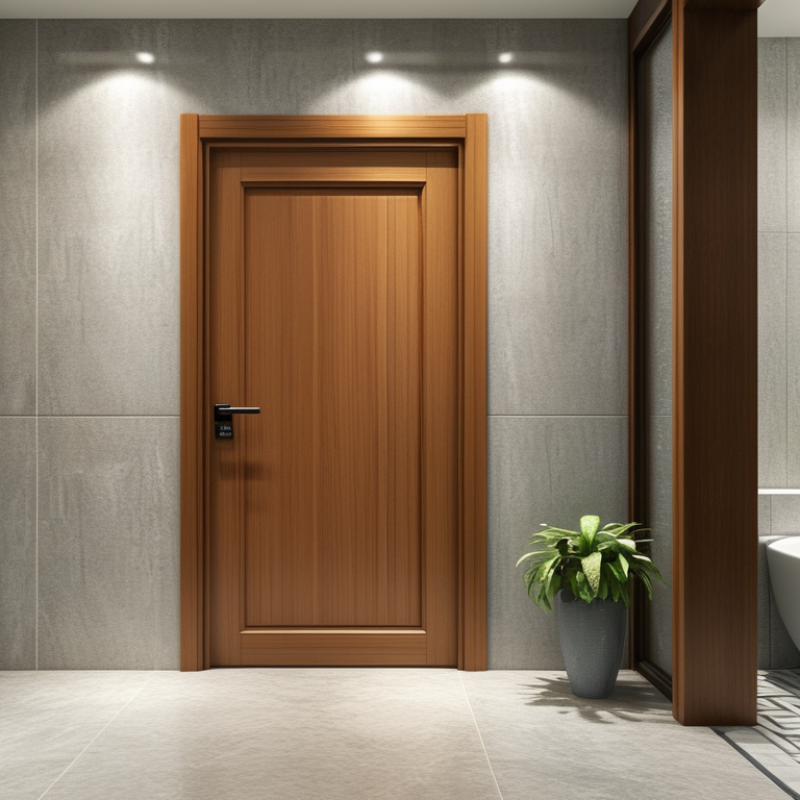
Benefits of WPC Doors in Humid Environments Compared to Wood Doors
WPC (Wood-Plastic Composite) doors present significant advantages in humid environments, especially bathrooms. Traditional wooden doors often warp or swell when exposed to moisture. According to the American Wood Council, about 15% of wooden doors are replaced within five years due to such damage. This is a costly problem for homeowners and businesses alike.
WPC doors, however, resist moisture far better. Their composite structure allows them to withstand high humidity without degrading. A recent study from the Building Research Establishment indicates that WPC materials can reduce water absorption by up to 70% compared to standard wood. This durability ensures a longer lifespan for bathroom doors while minimizing maintenance needs.
Moreover, WPC doors are often easier to maintain and clean than wooden counterparts. They don't require regular sealing or painting, which adds to their practicality. Many users value the aesthetic appeal that WPC doors offer, resembling traditional wood without the drawbacks. With the bathroom's unique challenges in moisture control, WPC doors leverage material science to enhance performance while embracing style.
Why Choose WPC Doors Over Traditional Wooden Doors for Bathrooms?
| Feature |
WPC Doors |
Traditional Wooden Doors |
| Moisture Resistance |
High resistance; does not warp |
Susceptible to warping and swelling |
| Maintenance |
Low maintenance; easy to clean |
Requires regular maintenance and sealing |
| Durability |
Durable and resistant to impacts |
Can be damaged by moisture and impact |
| Eco-friendliness |
Made from recycled materials |
Depends on source; often involves deforestation |
| Cost |
Generally more affordable |
Can be more expensive depending on wood type |
Durability and Maintenance: The Long Lifespan of WPC Doors
WPC (Wood Plastic Composite) doors are becoming the preferred choice for bathrooms. They offer impressive durability and require less maintenance compared to traditional wooden doors. According to industry studies, WPC doors last 2-3 times longer than their wooden counterparts. This is largely due to their resistance to moisture and humidity, two critical factors in bathroom environments.
Wooden doors are susceptible to warping, swelling, and mold growth when exposed to moisture. This can lead to costly repairs and replacements. In contrast, WPC doors are engineered to withstand these conditions. A report from the American Composites Manufacturers Association indicates that WPC products exhibit a lifespan exceeding 50 years with minimal upkeep. This longevity means homeowners enjoy savings over time, as they spend less on repairs and replacements.
Maintenance is another important aspect. WPC doors only require simple cleaning with soap and water. Traditional wooden doors, however, often demand regular treatments with sealants and paints, which can be time-consuming and costly. While some may miss the aesthetic appeal of natural wood, the practicality of WPC doors is hard to overlook. They provide a reliable, durable solution for any modern bathroom.
Why Choose WPC Doors Over Traditional Wooden Doors for Bathrooms?
The chart above illustrates the benefits of WPC doors compared to traditional wooden doors in terms of durability, maintenance frequency, moisture resistance, and overall cost over their lifespan. As indicated, WPC doors generally offer a longer lifespan and lower maintenance requirements, making them a favorable choice for bathrooms.
Moisture Resistance: How WPC Doors Outperform Traditional Wood
WPC doors excel in moisture resistance, making them ideal for bathrooms. Traditional wooden doors often absorb water, leading to warping and decay. In contrast, WPC doors repel moisture due to their polymer composite design. According to industry reports, moisture damage accounts for approximately 70% of door failures in damp environments. This highlights the reliability of WPC over wood in bathroom settings.
WPC doors are also resistant to mold and mildew, which thrive in humid conditions. These materials do not provide the same nutrient-rich environment that wooden doors do. As a result, homeowners enjoy healthier spaces with reduced allergens. Data from the CDC reveals that mold exposure can lead to respiratory issues, making WPC an essential choice.
Tip: When selecting WPC doors, consider the thickness and density. A denser WPC will offer better moisture resistance. Regular maintenance checks ensure the longevity of the door materials, despite their higher resilience. Always verify if the door is properly sealed to optimize its lifespan.
Cost-Effectiveness: Analyzing Long-Term Savings with WPC Options
When considering bathroom doors, cost-effectiveness is crucial. WPC doors stand out as a smart investment over traditional wooden options. While the initial cost might seem comparable, the long-term savings are significant. WPC doors resist moisture and don't warp easily. This durability means fewer repairs and replacements over time.
Think about maintenance. Wooden doors often need periodic sealing and repainting. In contrast, WPC doors require minimal upkeep. This absence of regular maintenance translates to saved time and money. Homeowners can enjoy peace of mind, knowing their doors will last longer without constant attention.
Of course, some might question the aesthetic appeal of WPC doors. They come in various finishes, mimicking wood grain beautifully. Yet, the feel is different. Potential buyers should consider their preferences. Sometimes, the familiarity of wood might allure them despite the benefits offered by WPC. Each choice has its flaws and merits.
Eco-Friendliness: Sustainable Materials in WPC Door Manufacturing
WPC doors offer a sustainable alternative to traditional wooden doors, especially for bathrooms. They are made from wood-plastic composites, a combination of recycled wood fibers and plastic. This process significantly reduces the need for new timber, conserving forests and wildlife habitats. Using WPC doors helps to lessen deforestation and the environmental impact associated with harvesting traditional wood.
The eco-friendliness of WPC door manufacturing is a standout feature. By utilizing waste materials, manufacturers help minimize landfill waste. These doors also tend to last longer, reducing the frequency of replacements. However, it’s crucial to consider that not all WPC products are created equal. Some contain low-quality plastics that may not be as eco-friendly in the long run. Consumers must look for products with high recycled content and certifications that verify sustainable practices.
While WPC doors provide many benefits, they can sometimes appear less natural than solid wood. The texture and finish may not mimic the look of real wood perfectly. This can raise questions about their aesthetic appeal in certain design contexts. It's essential for homeowners to weigh these factors when making a choice for their bathrooms.
FAQS
: WPC doors can last 2-3 times longer than traditional wooden doors, often exceeding 50 years.
WPC doors resist moisture and humidity, preventing issues like warping and mold growth, common in wooden doors.
WPC doors need simple cleaning with soap and water, requiring much less maintenance than wooden doors.
Yes, while initial costs may be similar, WPC doors provide significant savings on repairs and maintenance over time.
WPC doors come in various finishes that mimic wood grain, but the feel is different. Preferences vary among buyers.
No, WPC doors do not need periodic sealing or repainting, saving time and money on upkeep.
Yes, WPC doors provide a reliable and durable solution, fitting well with modern bathroom aesthetics.
Some may miss the natural wood aesthetic, leading to a feeling of imperfection or dissatisfaction with WPC’s look.
Think about durability, maintenance, and personal preferences for style. Each option has its own pros and cons.
Conclusion
When considering why to choose WPC doors over traditional wooden doors for bathrooms, several key advantages come to light. WPC doors are particularly beneficial in humid environments due to their superior moisture resistance, which prevents warping and deterioration commonly associated with wood doors. This durability not only extends the lifespan of the doors but also reduces maintenance efforts, making them a practical choice for busy bathrooms.
Moreover, WPC doors provide cost-effectiveness in the long run. Their resilience against harmful moisture leads to fewer repairs and replacements, ultimately resulting in significant savings. Additionally, WPC doors are manufactured from sustainable materials, contributing to eco-friendly building practices. In summary, WPC doors offer a compelling alternative to traditional wooden doors, especially for bathroom applications, thanks to their moisture resistance, durability, cost-effectiveness, and sustainability.

 Larsom Door