Condensation inside steel security doors is a common concern. Many homeowners wonder, "why is my steel security door condensation forming inside?" Dr. Emily Hart, a well-known building science expert, emphasizes, “Moisture control is essential for maintaining the integrity of security doors.” This highlights the need for understanding the factors that contribute to this issue.
Condensation often occurs when warm, humid air meets cold surfaces. When the interior air cools against the steel door, moisture accumulates. Effective insulation and ventilation are key solutions. Yet many overlook these aspects. It’s easy to blame the door materials but fail to assess the indoor climate.
Homeowners may notice rust or mildew if the issue persists. Regular maintenance becomes crucial. Attempting to ignore the symptoms can worsen the situation. Installing a dehumidifier or sealing gaps may help. Addressing this problem early prevents larger repairs in the future. Taking these steps ensures your security door remains effective and aesthetically pleasing.
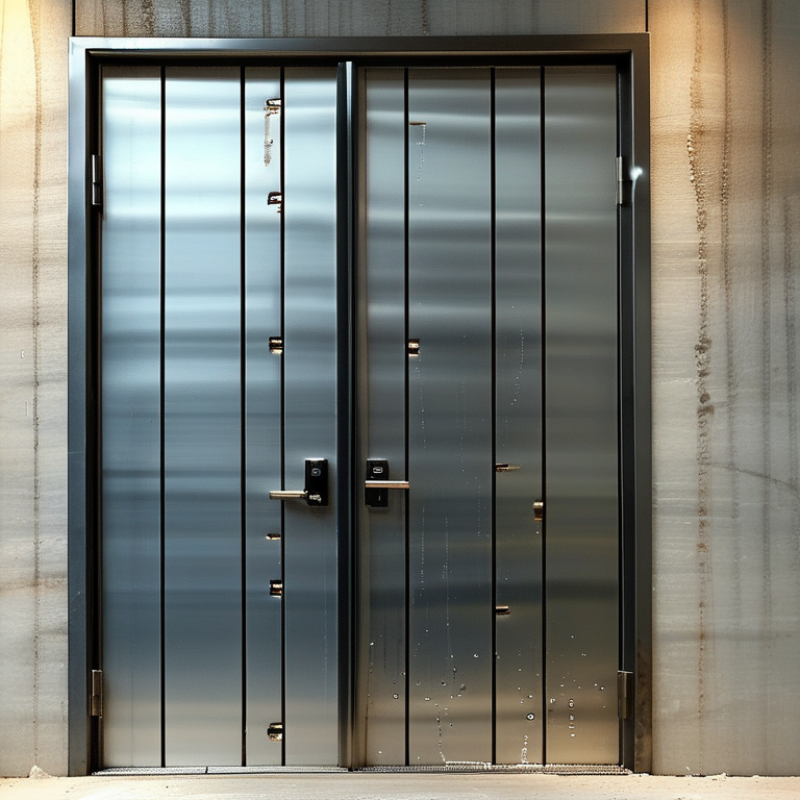
Condensation on steel security doors occurs when warm, moist air meets a cold surface. This can happen in various climates, particularly in humid environments. According to the U.S. Department of Energy, excess indoor humidity can lead to significant moisture issues. A study suggests that about 45% of homes experience condensation, impacting safety and energy efficiency.
When warm air cools quickly against the steel, it loses its capacity to hold moisture. This moisture then condenses, leading to water droplets forming on the surface. Experts indicate that poorly insulated doors or significant temperature fluctuations exacerbate this issue. In some cases, condensation can lead to rust formation, compromising the door's integrity and security features.
Addressing condensation requires examining indoor humidity levels. The optimal indoor relative humidity is around 30-50%. Ensuring proper ventilation can help maintain these levels. Utilizing dehumidifiers may also assist in reducing moisture. Even small adjustments can make a significant difference in preventing condensation on steel security doors.
Condensation inside steel security doors can be a frustrating issue. Various factors contribute to this phenomenon. One major factor is temperature fluctuation. When warm, moist air inside your home meets the colder steel surface, condensation forms. This is especially common in climates with rapid temperature changes.
Another crucial factor is humidity levels. High indoor humidity can exacerbate the condensation problem. Activities like cooking, showering, or even drying clothes increase moisture in the air. If the humidity is not controlled, moisture will settle on cold surfaces like steel doors, leading to condensation.
Improper insulation can also play a role. If the door is not adequately insulated, it can become too cold during winter months. This cold surface will attract moisture from the air. To tackle condensation, consider using dehumidifiers or improving ventilation. Regularly check seals and insulation on your door. Implementing these changes can significantly reduce condensation issues. It's a process that may take time, but persistence can lead to an effective solution.
Condensation often forms inside steel security doors due to temperature differences. This can lead to mold and moisture issues. Effective insulation can help manage these condensation levels.
Insulation techniques like weather stripping can seal gaps. Ensure the door fits snugly within its frame. Such methods prevent cold air from entering. Consider using insulated door skins. They can drastically reduce the temperature differential.
Adding a thermal barrier can also be beneficial. Materials like foam board can be applied to the interior surface. This provides an extra layer of protection against outside temperatures. Ventilation is crucial as well. Proper airflow will prevent moisture buildup inside.
Remember to monitor humidity levels in your space. Using a dehumidifier can help in particularly damp areas. Adjusting your environment can significantly improve the situation. Addressing condensation may take time, and some trial and error is involved in finding the best solutions.
Proper ventilation is crucial to minimize moisture build-up inside steel security doors. Many homeowners overlook this aspect, but without adequate airflow, condensation becomes a frequent issue. To reduce the risk, consider installing vents at the top and bottom of the door. These openings promote circulation and allow humid air to escape.
Another effective method is to ensure that the area around the door is well-ventilated. If your door is positioned close to sources of moisture, such as bathrooms or kitchens, extra care is needed. Installing exhaust fans in these rooms can significantly lower humidity levels.
Installing weather stripping is also a practical solution. It serves multiple purposes, such as improving energy efficiency and reducing drafts. Make sure the seal is tight but not overly compressed. Over time, weather stripping can wear out, leading to more condensation. Regularly check these seals for any signs of damage. Your vigilance here can prevent minor issues from developing into significant problems.
When comparing condensation resistance, steel doors face unique challenges. Steel is a conductive material. It can easily transfer temperature changes, leading to condensation when warm, humid air meets the cooler surface. This phenomenon often occurs in environments with high humidity levels, causing water droplets to collect inside the door. In contrast, materials like fiberglass or vinyl have better insulation properties. They resist temperature fluctuations more efficiently, reducing the likelihood of condensation.
However, choosing a non-steel door brings its own considerations. Some alternative materials may not offer the same level of security. While they can help with condensation, they might lack the strength against intrusions. Users must reflect on their priorities. They may need better insulation but also require robust security. Balancing these factors is critical for homeowners. Finding the optimal solution often involves compromises. Each material has pros and cons, which aren't always clear cut.
In the end, regular maintenance is essential. Insulating the edges or using weather stripping can help improve the performance of steel doors. Yet, real-world solutions aren't always perfect. It’s essential to assess personal needs and environmental conditions continuously. Decision-making in this area requires ongoing reconsideration.
: Condensation occurs when warm, moist air meets a cold surface, especially in humid climates.
High indoor humidity can lead to moisture issues and condensation on doors. The ideal humidity level is 30-50%.
Poor insulation can worsen condensation problems, allowing moisture buildup and potentially leading to rust.
Yes, materials like fiberglass and vinyl offer better insulation, reducing the chance of condensation compared to steel.
Weigh the need for insulation against the level of security offered by different materials.
Ensure proper ventilation and consider using dehumidifiers to lower indoor humidity levels.
Yes, maintaining insulation and using weather stripping can enhance performance and reduce condensation.
Yes, different materials have strengths and weaknesses, and finding balance can be challenging.
Yes, even minor changes in ventilation or humidity control can significantly help in preventing condensation.
Yes, ongoing evaluation of personal needs and environmental conditions is crucial for effective decision-making.
Condensation on steel security doors is a common issue influenced by several factors. Understanding why is my steel security door condensation forming inside involves a scientific overview of how moisture accumulates, primarily due to temperature differences and humidity levels in the environment. Key contributors include inadequate insulation and poor ventilation, which can lead to a build-up of moisture on metal surfaces.
To combat condensation, homeowners can implement effective insulation techniques to minimize indoor humidity and use ventilation solutions that enhance airflow around the door. Additionally, a comparative analysis with other materials highlights the unique challenges posed by steel, suggesting that alternative options might offer better resistance to condensation. By addressing these factors, it is possible to significantly reduce condensation levels and maintain a dry, secure environment.

Larsom Door