How to Prevent Warping in Solid Wood Exterior Doors?

Time:2026-10-09 Author:Madeline
0%

Solid wood exterior doors bring warmth, strength, and natural character to an entrance. They also respond continuously to moisture, sunlight, temperature, and seasonal humidity. A door that fits perfectly in dry winter air may swell against its frame during a wet summer. Small gaps matter.

Learning how to prevent warping in solid wood exterior doors begins with understanding that movement cannot be eliminated completely. It can only be controlled through suitable timber, careful construction, accurate installation, and consistent maintenance. Experienced builders often inspect the grain direction, moisture content, joinery, and door thickness before installation. These details are easy to overlook, yet they strongly affect long-term stability.

This guide will examine practical methods for reducing warping, from selecting kiln-dried hardwood to sealing every exposed edge. It will also discuss weather-resistant finishes, overhangs, drainage, hinges, and seasonal inspections. A reliable door needs protection on all sides, including its top and bottom edges, where rushed finishing often leaves vulnerable end grain exposed. That mistake is common.

Climate also changes the recommendation. A finish that performs well in a dry region may fail in coastal or tropical conditions. Professional advice from a qualified door manufacturer or installer remains valuable, especially for wide doors and heavily shaded entrances. Even careful owners may miss early warning signs, such as uneven reveals, sticking near one corner, or hairline finish cracks. These signs deserve attention before the door becomes difficult to close. Perfect prevention is unrealistic, but thoughtful design and regular care can keep solid wood doors stable, attractive, and functional for many years.
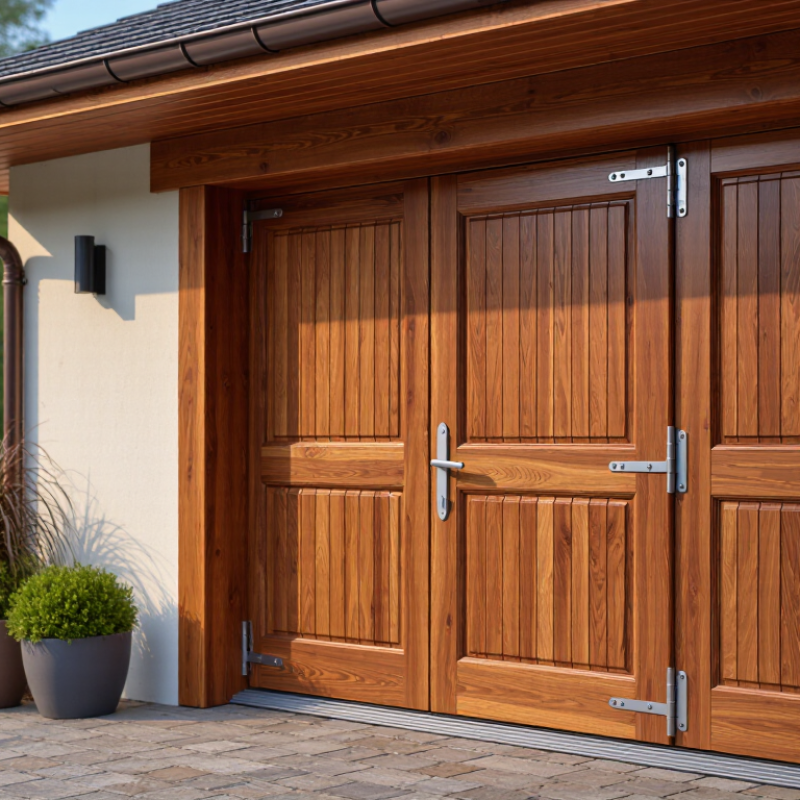
How to Prevent Warping in Solid Wood Exterior Doors?

Understanding Why Solid Wood Exterior Doors Warp

How to Prevent Warping in Solid Wood Exterior Doors?

Solid wood exterior doors warp mainly because moisture enters unevenly. One face may absorb rain, while the indoor face stays warm and dry. This creates different expansion rates across the door. The USDA Forest Products Laboratory’s Wood Handbook: Wood as an Engineering Material reports that wood can shrink approximately 3–6% across the grain and 6–12% along the tangential direction as it dries from green to oven-dry conditions. The movement is substantial.

Sunlight intensifies the problem. A dark door facing west can heat rapidly, drying its outer surface faster than its core. Poor drainage, unsealed end grain, and oversized gaps around hardware add further stress. I have seen doors twist near the bottom after repeated wetting, even when their top edges looked sound. The defect was not always obvious at installation.

Control moisture before installation. The door should reach a moisture content close to its service environment, commonly around 8–12% for many conditioned interiors, though local climate changes this range. Use a calibrated moisture meter. Seal every surface, including the top and bottom edges, with a compatible exterior coating. Maintain a small threshold overhang and keep sprinklers away. The National Wood Flooring Association also stresses moisture monitoring because wood responds continuously to environmental changes. No coating lasts forever. Inspect annually, especially after a rainy season. A practical mistake is treating the finish as permanent; small cracks can expose end grain long before visible warping appears.

How to Prevent Warping in Solid Wood Exterior Doors?

Wood species with higher total volumetric shrinkage generally require stricter moisture control. Protecting the door from rain, sealing all surfaces and edges, and allowing the wood to reach a moisture level suitable for the local climate can help reduce warping.

Representative average volumetric shrinkage values from green to oven-dry condition. Higher values indicate greater dimensional movement potential when wood moisture changes.

Selecting Wood, Construction, and Finishes for Weather Resistance

Warping in solid wood exterior doors usually starts with uneven moisture movement. The USDA Forest Products Laboratory’s Wood Handbook, FPL-GTR-282, reports that tangential shrinkage is often about twice radial shrinkage, although species vary. This explains why wide door stiles or panels may cup, twist, or bow after repeated rain and sunlight. Wood below its fiber-saturation point, near 30% moisture content, changes size as humidity changes. A perfect seal is unrealistic. That deserves honest attention.

Choose stable, straight-grained wood with similar moisture content across each component. Quarter-sawn boards generally move less across their width than flat-sawn boards. A well-built door should use balanced construction, strong joinery, floating panels, and controlled clearances. Avoid trapping a damp core behind a dry surface. The Forest Products Laboratory also notes that wood movement depends on grain direction, species, and moisture exposure. Construction details matter more than appearance alone. Sometimes, the most attractive board is the least stable choice.

Tips: Seal all six surfaces, including the top and bottom edges. Use a coating system rated for exterior exposure, then inspect it annually for hairline cracks, open joints, and dull patches. Pay special attention to the lower rail, where splashback collects. Keep sprinklers away from the door. Recoat before bare wood appears. One overlooked edge can undo expensive craftsmanship.

Preparing and Sealing Every Door Surface Before Installation

How to Prevent Warping in Solid Wood Exterior Doors?

A solid wood exterior door should be sealed on every surface before installation. That includes the front, back, top, bottom, side edges, and every cutout. Unsealed end grain absorbs moisture quickly. The bottom edge deserves special attention because it often sits near damp floors and rain splash.

I check the wood moisture content before applying finish. The door should be acclimated indoors, away from heaters and direct sunlight, according to the manufacturer’s guidance. Lightly sand dusty areas, then remove all residue with a clean, dry cloth. Apply a compatible exterior sealer in thin, even coats. Coat hinge recesses, lock bores, screw holes, and trimmed edges as well. These small areas are easy to overlook.

Do not rush the drying time. It matters.

In my experience, many warped doors were sealed on their broad faces but not their edges. I once underestimated a narrow bottom cut, and seasonal movement exposed the mistake. That experience changed my inspection routine. I now use a small light and inspect every corner before installation. The top and bottom edges may need extra coats, but excessive buildup can interfere with fitting. Allow the finish to cure fully, then install the door with correct clearances and adequate support. Recheck the seal after trimming, because fresh cuts create new entry points for moisture.

Installing the Door Correctly to Control Moisture and Movement

Solid wood exterior doors move naturally as humidity changes. Correct installation reduces that movement and prevents severe warping. Store the door flat in a dry, covered room before fitting it. Allow several days for the wood to adjust to local conditions. Do not install it against damp masonry or over an unfinished floor.

The rough opening must be square, level, and slightly larger than the frame. Use a sloped sill pan to direct water outward, then apply flashing around the jambs and head. Keep a small, even clearance around the frame. Secure it with shims behind every hinge and locking point. Over-tightening screws can twist the jamb. That mistake is easy to miss.

Tips: Seal every exposed wood surface, including the top and bottom edges. Apply compatible exterior coatings before installation when possible. Check that the threshold sheds water away from the building. Leave enough space for seasonal movement, but not so much that drafts enter. Inspect the door after rain and during humid weather. A pencil mark on the edge can reveal gradual movement. Recheck the hinges if the reveal changes. Field conditions are rarely perfect, so careful adjustment may be needed after installation.

Maintaining Exterior Doors Through Seasonal Weather Changes

Solid wood exterior doors respond to seasonal moisture, temperature, and sunlight. In humid summer weather, wood absorbs moisture and expands. During dry winter months, it contracts and may develop small gaps. These movements are normal, but unmanaged changes can cause sticking, cracks, or permanent warping. Check the door every few months, especially after heavy rain or prolonged heating.

Keep the top, bottom, and side edges properly sealed. These areas are often missed during repainting. Look for peeling finish, exposed grain, or dark moisture marks near the threshold. A moisture meter can provide useful evidence, with many professionals watching for readings above roughly 15 percent. Local conditions vary, so the number should guide inspection rather than replace judgment. Clean the threshold and keep leaves away from drainage paths.

Lubricate hinges and inspect the latch before seasonal extremes arrive. A tight latch can force the slab against an uneven frame. If the door rubs, identify the cause before sanding it. The frame may have shifted, or humidity may be temporary. I have seen homeowners remove too much wood in spring, then face a loose, drafty door in winter. That repair was understandable, but premature. Use flexible exterior-grade sealant around joints, and refresh protective coatings when the surface becomes dull or cracked. Allow the wood to dry before sealing it. Wet wood should not be trapped beneath a new finish.

How to Prevent Warping in Solid Wood Exterior Doors? - Maintaining Exterior Doors Through Seasonal Weather Changes

Season or Weather Condition Primary Warping Risk Recommended Inspection Frequency Preventive Maintenance Actions Useful Moisture-Control Target
Spring rain and rising humidity Moisture absorption can cause swelling, sticking, and uneven movement between the door faces and edges. Monthly and after prolonged wet weather Check the top, bottom, hinge, and latch edges. Keep drainage paths clear, repair damaged finish, and confirm that weatherstripping remains continuous. Keep indoor relative humidity generally around 30%–50% where practical.
Hot, sunny summer conditions Uneven solar heating can dry one side faster than the other, increasing the likelihood of cupping, bowing, or twisting. Every 4–6 weeks and after heat waves Use an overhang or properly sized entry canopy where possible. Maintain a complete, light-reflective exterior coating and avoid leaving the door open to direct sun for long periods. Keep moisture exposure balanced on all six door surfaces.
Dry autumn air and temperature swings Rapid drying may create shrinkage, visible gaps, cracked coatings, or changes in latch alignment. Monthly during seasonal transition Inspect joints and finish for hairline cracks. Seal exposed end grain and tighten loose hardware without forcing a misaligned door. Avoid abrupt indoor humidity changes; use a humidifier only when needed and monitor with a hygrometer.
Winter cold, heating, and freezing precipitation Low indoor humidity can cause shrinkage, while snow, ice, and wind-driven water can penetrate unprotected edges. Monthly and after snow or ice events Remove snow from the threshold, keep weep and drainage areas open, check the bottom edge, and maintain a consistent indoor climate. A stable indoor relative humidity near 30%–50% helps limit excessive seasonal movement.
Wind-driven rain or storms Repeated wetting can damage coatings and allow water to reach end grain, joints, or the door core. Inspect within 24–48 hours after severe weather Dry standing water promptly, examine sealant and weatherstripping, and refinish areas where the protective coating has worn through. No exposed unfinished wood should remain on exterior-facing surfaces.
Daily-use and cleaning periods Repeated impact, harsh cleaners, or trapped moisture may weaken the finish and affect alignment. Quick visual check weekly; detailed check quarterly Clean with a soft, damp cloth and mild soap when appropriate. Do not saturate the wood or use abrasive products on the finish. Keep water from pooling at the threshold or along the lower door edge.
Maintenance principle: A solid wood exterior door will naturally respond to changes in moisture. The most effective prevention strategy is to limit direct water exposure, protect every surface with a suitable exterior finish, and keep indoor humidity reasonably stable.

FAQS

Why do solid wood exterior doors warp?

Uneven moisture movement causes most warping. Wide panels may cup, twist, or bow after repeated rain and sunlight. Grain direction matters. Perfect sealing is unrealistic.

Which wood construction helps reduce movement?

Choose stable, straight-grained boards with similar moisture content. Quarter-sawn wood usually moves less across its width. Balanced construction and strong joinery also help. Attractive wood is not always stable.

Should every door surface be sealed before installation?

Yes. Seal the front, back, top, bottom, side edges, and every cutout. Pay special attention to end grain. Small openings absorb moisture quickly.

Which areas are commonly missed during sealing?

Installers often miss the bottom edge, hinge recesses, lock bores, screw holes, and trimmed edges. One narrow unsealed cut can cause trouble. Inspect every corner with a small light.

How should a new wooden door be prepared for finishing?

Acclimate it indoors, away from heaters and direct sunlight. Lightly sand dusty areas, then remove residue with a dry cloth. Apply compatible exterior sealer in thin coats. Do not rush drying time.

Can extra finish prevent all moisture problems?

No. Excessive buildup may interfere with fitting. A coating can crack, peel, or hide damp wood underneath. Let the finish cure fully. Recheck every fresh cut.

How often should an exterior wood door be inspected?

Check it every few months, especially after heavy rain or prolonged heating. Look for peeling finish, exposed grain, dark marks, and open joints. Dull patches deserve attention.

What moisture reading may suggest closer inspection?

Many professionals investigate readings above roughly 15 percent. Local conditions vary, so the number is only a guide. Judgment still matters. A moisture meter is evidence, not a verdict.

What should be checked before sanding a sticking door?

Identify the cause first. The frame may have shifted, or seasonal humidity may be temporary. Check hinges, the latch, clearances, and threshold drainage. Sanding too early can create winter drafts.

How can seasonal maintenance protect the door?

Keep sprinklers away and clear leaves from drainage paths. Lubricate hinges and inspect the latch before weather extremes. Use flexible exterior sealant around joints. Allow wet wood to dry before recoating.

Conclusion

Learning how to prevent warping in solid wood exterior doors begins with understanding how moisture, sunlight, temperature changes, and uneven sealing affect natural wood. Choosing stable, properly dried timber, strong construction methods, and weather-resistant finishes can significantly reduce movement. Every surface—including the top, bottom, edges, and cutouts—should be carefully sealed before installation so moisture cannot enter vulnerable areas.

Correct installation is equally important. The door must be properly aligned, supported by suitable hinges, and fitted with effective weatherstripping and drainage details to limit water exposure while allowing normal seasonal movement. Regular maintenance also helps preserve its shape: inspect the finish, seal small cracks or worn areas promptly, keep drainage paths clear, and refinish exposed surfaces when needed. With thoughtful material selection, complete protection, accurate installation, and seasonal care, a solid wood exterior door can remain attractive, functional, and stable for many years.

Madeline

Madeline

Madeline is a dedicated marketing professional with a wealth of expertise in our company's core offerings. With a keen understanding of the industry, she brings a unique perspective to her role, consistently delivering high-quality content that highlights the superior aspects of our products. As......