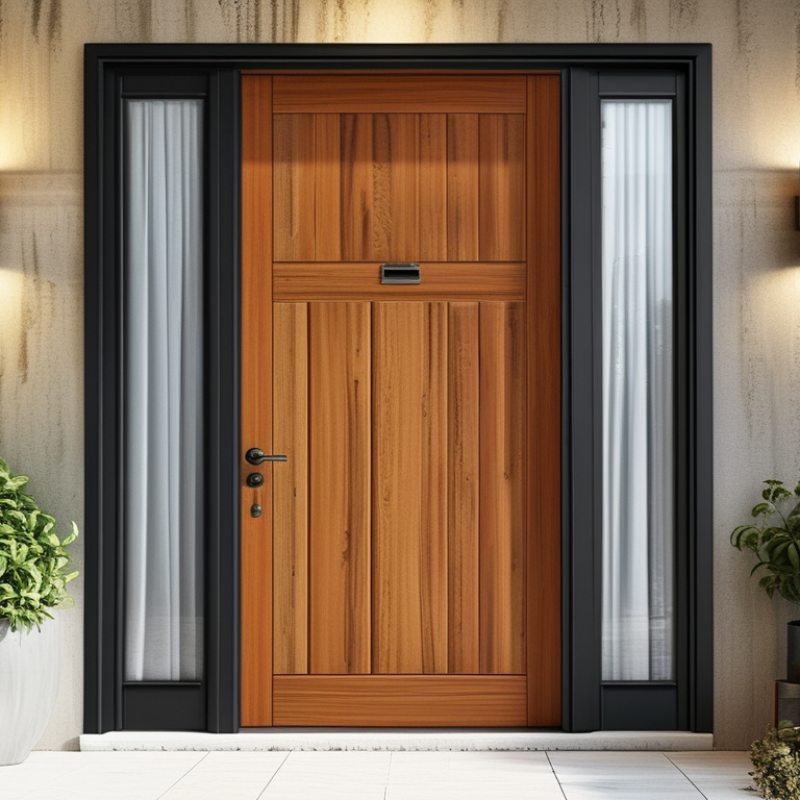
Wood plastic composite (WPC) doors have gained popularity for their durability and aesthetic appeal. However, many homeowners wonder, "what is the lifespan of a wood plastic composite door?" Industry expert Dr. Paul Johnson states, “WPC doors can last between 10 to 30 years, depending on maintenance and environmental conditions.”
The lifespan of these doors is influenced by various factors. Regular upkeep, such as cleaning and sealing, can extend their longevity. Additionally, exposure to harsh weather can impact their durability. Thus, knowing how to care for your WPC doors is crucial for maximizing their lifespan.
Understanding "what is the lifespan of a wood plastic composite door" can help you make informed decisions. While WPC doors offer numerous benefits, the variability in lifespan highlights the importance of quality and maintenance. Reflect on these factors to ensure your investment is truly worthwhile.
Definition and Composition of Wood Plastic Composite Doors
Wood Plastic Composite (WPC) doors have gained popularity due to their unique properties. These doors primarily consist of wood fibers and thermoplastics. This combination creates a material that is both durable and aesthetically appealing. The wood fibers provide strength, while the plastics add moisture resistance. This makes WPC doors suitable for various environments.
One key benefit of WPC doors is their low maintenance requirements. They do not warp, splinter, or require regular painting. Regular cleaning with mild soap and water is typically sufficient. Make sure to inspect them occasionally for any signs of wear.
While WPC doors are reliable, they are not entirely perfect. Prolonged exposure to sunlight may cause fading. Additionally, if not properly installed, water can seep into the core. Be cautious about the quality of installation.
When considering WPC doors, it's essential to weigh the pros and cons. While they offer durability and low maintenance, potential fading might be a concern for some homeowners. Always seek expert advice to ensure you select the right material for your specific needs.
Factors Influencing the Lifespan of Wood Plastic Composite Doors
Wood Plastic Composite (WPC) doors offer durability and aesthetic appeal. Their lifespan can vary significantly due to several factors. One major aspect is the quality of the materials used. High-quality wood fibers and plastics enhance durability and resistance to weather conditions. A poor mix might lead to early wear, rotting, or fading.
Environmental factors also play a crucial role. Exposure to moisture can cause warping or mold. Sun exposure might lead to color fading over time. Regular maintenance can help prolong the door’s life. Simple tasks like cleaning and lubrication can prevent common issues. Even with good maintenance, a WPC door may show signs of wear after years of service.
Installation practices cannot be overlooked. Poorly fitted doors may experience stress at joints, leading to faster deterioration. The choice of a skilled contractor can affect longevity. Innovations in technology can improve WPC resilience, but over time, all materials face challenges. Understanding these factors can help homeowners make informed choices.
What is the Lifespan of Wood Plastic Composite Doors? - Factors Influencing the Lifespan of Wood Plastic Composite Doors
| Factor |
Description |
Expected Lifespan Impact |
| Climate |
Exposure to extreme temperatures and humidity can deteriorate the material. |
-5 to 15 years |
| Maintenance |
Regular cleaning and maintenance can significantly extend lifespan. |
+5 to 10 years |
| Quality of Materials |
Higher quality composites last longer due to better resistance to wear. |
+10 to 15 years |
| Installation |
Proper installation minimizes issues that can lead to damage. |
+5 to 10 years |
| Usage |
Frequency of use affects wear and tear on doors. |
-5 to 10 years |
Average Lifespan of Wood Plastic Composite Doors Compared to Traditional Doors
Wood Plastic Composite (WPC) doors are gaining popularity for their durability and aesthetic appeal. Generally, they last between 20 to 30 years, depending on usage and maintenance. In contrast, traditional wooden doors typically last about 15 to 20 years. WPC doors are resistant to moisture and insects, giving them a longer lifespan, especially in humid climates. Their ability to withstand the elements without warping is a significant advantage.
However, the quality of materials and installation matters. Poor installation can lead to issues like gaps and misalignment. These problems can shorten the lifespan of WPC doors. Regular maintenance is also crucial. Periodic cleaning and inspection can prevent minor issues from becoming serious.
Tip: When choosing WPC doors, always check the quality of the composite and installation methods. Investing in professional installation can save money long-term. Consider the design and color that suits your home, but remember that trends change. Longevity doesn't only depend on the material; location and care play a role too. Providing a balanced approach to maintenance will ensure you maximize the use of your doors.
What is the Lifespan of Wood Plastic Composite Doors Compared to Traditional Doors?
Maintenance Tips to Extend the Lifespan of Wood Plastic Composite Doors
Wood plastic composite doors are a popular choice for their durability and aesthetic appeal. However, like any material, they require proper maintenance to extend their lifespan. Regular cleaning is one of the simplest ways to keep these doors looking fresh. Use a mild detergent and water to wipe down surfaces. This helps prevent dirt and grime from building up. Neglecting this can lead to discoloration over time.
Inspecting the door frames regularly is also crucial. Look for signs of wear or damage. Repairing small issues before they escalate can save you money and time later. You might find cracks or signs of warping. Taking immediate action can prolong your door's life significantly. Additionally, consider applying a protective sealant. This creates a barrier against moisture and UV rays. However, be cautious. Over-applying sealant can cause buildups, leading to potential problems.
Furthermore, avoid using harsh chemicals or abrasive materials during cleaning. These can scratch or damage the surface, shortening the door's lifespan. Also, ensure that the doors are adequately installed to avoid movement and stress. Improper installation may lead to alignment issues. Engaging with a professional can provide invaluable insight to ensure longevity. This kind of proactive maintenance can make all the difference.
Environmental Impact and Sustainability of Wood Plastic Composite Doors
Wood Plastic Composite (WPC) doors are gaining popularity due to their durability and eco-friendliness. These doors are made from a blend of wood fibers and recycled plastic, which helps reduce waste. According to a recent industry report, the use of recycled materials in production can cut down waste by up to 60%. This sustainable approach is crucial as we face increasing environmental challenges.
However, it is important to reflect on the carbon footprint of producing WPC doors. While they are more sustainable than traditional wooden doors, the manufacturing process still consumes energy. The energy required can lead to emissions, which contradicts the sustainability goal. Therefore, selecting WPC doors from manufacturers committed to renewable energy sources can help mitigate this issue.
Tips: Always check for certifications that verify the sustainability of WPC products. Look for doors with a higher percentage of recycled content, as they contribute significantly to waste reduction. Additionally, consider the longevity; a longer lifespan of doors means fewer replacements and reduced overall environmental impact.
FAQS
: WPC doors generally last between 20 to 30 years with proper maintenance.
Traditional wooden doors last about 15 to 20 years, shorter than WPC doors.
Installation quality and regular maintenance are crucial for maximizing lifespan.
Yes, they resist moisture and insects, making them ideal for humid climates.
They are made from wood fibers and recycled plastic, reducing waste significantly.
Yes, the manufacturing process consumes energy and can produce emissions.
Check for quality, installation methods, design, and longevity to ensure satisfaction.
Choose products from manufacturers using renewable energy and look for recycled content.
Yes, periodic cleaning and inspections can prevent minor issues from escalating.
Yes, trends change but focus on timeless design for longevity and satisfaction.
Conclusion
Wood plastic composite doors are an innovative blend of wood fibers and plastic, designed to offer durability and aesthetic appeal. When considering "what is the lifespan of a wood plastic composite door," several factors play a crucial role, including climate, installation quality, and maintenance practices. On average, these doors can last significantly longer than traditional wooden doors, making them a popular choice for homeowners seeking longevity and low maintenance.
To extend their lifespan, regular cleaning and periodic inspections for signs of wear and damage are recommended. Additionally, the environmental impact of wood plastic composite doors is relatively low, as they utilize recycled materials and contribute towards sustainability efforts. Overall, the lifespan of these doors, when properly cared for, reflects their resilience and eco-friendly benefits.

 Larsom Door