2026 Top Armored Doors What Makes Them Drill Resistant?

Time:2026-10-26 Author:Sophia
0%

In 2026, armored doors are becoming more sophisticated, but their security still depends on practical engineering. Homeowners and facility managers want protection that can withstand force, resist tampering, and remain dependable every day. A heavy appearance alone proves very little. The real question is what makes an armored door drill-resistant and secure?

Drill resistance begins with layered construction. Hardened steel plates can slow penetration around the lock and cylinder. Manganese steel inserts may add another defensive barrier. Reinforced lock cases, protected escutcheons, and concealed hinges strengthen vulnerable points. The door frame matters just as much. Even a strong door can fail when its frame flexes or its anchors are poorly installed.

Real-world performance also depends on verified testing. Look for clear specifications, independent laboratory reports, and installation guidance from established manufacturers. Product claims should identify the tested configuration, not just the metal thickness. A certified resistance level is useful, but it is not magic. Conditions in a laboratory may differ from a busy apartment entrance, a warehouse corridor, or a coastal home with constant humidity.

Small details matter.

The best designs balance security with daily usability. A door that seals tightly, closes smoothly, and supports reliable access control is more likely to perform consistently. Maintenance also deserves attention, especially around hinges, locks, seals, and frame anchors. No barrier is invulnerable. That honest limitation should guide responsible choices. This overview examines the materials, lock protection, construction methods, testing evidence, and installation practices behind modern drill-resistant armored doors.
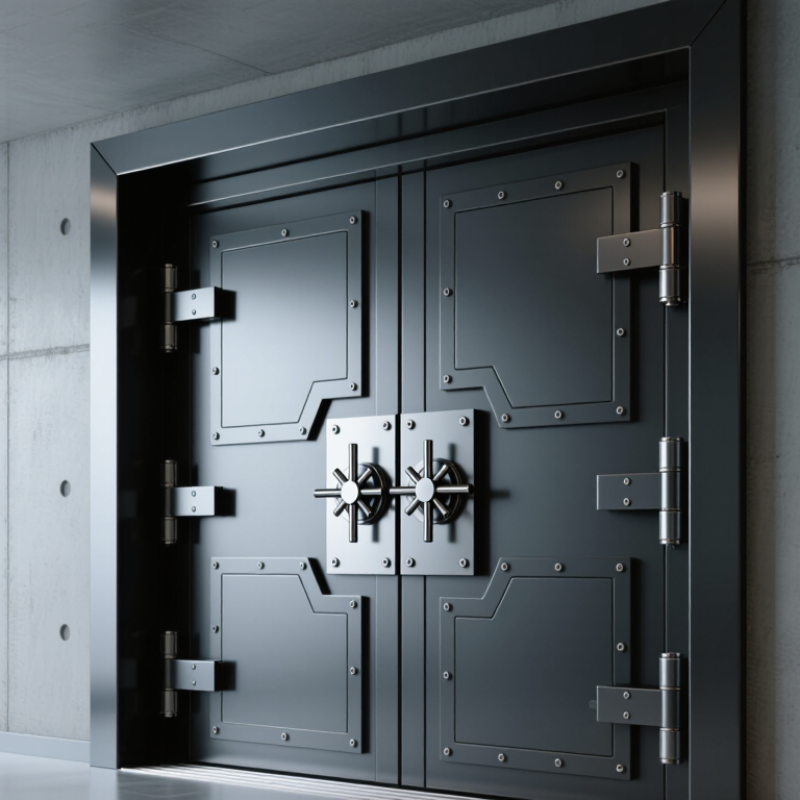
2026 Top Armored Doors What Makes Them Drill Resistant?

What Armored Doors Are and How Drill Resistance Works

An armored door combines a reinforced frame, a strong core, and protective outer skins. Its purpose is not only to resist impact. It must also control how force travels through the door. Many models use hardened steel plates around the lock area. Some include layered construction, which creates several barriers instead of one thick surface. That matters.

Drill resistance works by making the cutting process slow, unstable, and difficult to control. Hardened inserts can damage drill bits or reduce their cutting ability. Rotating shields may spin when pressure is applied. Reinforced plates can also protect vulnerable areas near the cylinder and hinges. No door is invincible. Resistance depends on the materials, construction, tools, and test method.

Reliable evaluation requires more than reading a product description. Independent testing should identify the resistance level, tested components, and installation conditions. A certified door can perform poorly if the frame is weak or the fixing points are loose. Small gaps matter. Experienced installers check wall strength, hinge alignment, threshold contact, and lock engagement. Regular inspection is also necessary, because corrosion, worn hardware, or a damaged frame can reduce protection. One detail is easy to overlook: drill resistance protects time, not absolute safety. A careful design creates delay and discourages forced entry, but it should work alongside controlled access, lighting, and professional maintenance.

Key Materials Used to Resist Drilling and Forced Entry

Drill resistance begins with the door’s material stack, not its appearance. A thin decorative panel can hide a stronger core, but visual confidence is not proof. Hardened steel skins resist cutting and distribute pressure around the lock area. Manganese steel plates add toughness where ordinary steel may deform. Some designs also use carbide inserts near cylinders and hinges. These small barriers can damage drill bits and slow sustained force. They are not magic. No door is invincible.

A reliable assembly combines materials with careful construction. Welded seams reduce weak gaps, while reinforced hinge pockets help prevent frame movement. Dense mineral or composite cores improve stiffness and limit flexing under impact. Aramid layers may absorb energy without adding excessive weight. In professional assessments, testers examine the door, frame, threshold, hinges, and locking hardware as one system. A strong panel can still fail if its frame is poorly anchored. That detail is often missed.

Look for independently verified test information, clear material specifications, and installation records. Qualified installers should match the door to the building structure, climate, and daily traffic. A warehouse entrance needs different reinforcement from an apartment hallway. Ask how coatings resist corrosion, especially around coastal air and damp thresholds. Maintenance matters too. Loose fasteners, worn seals, or misaligned locks can reduce protection. Honest evaluation includes limits, not just impressive claims. That is where trust begins.

How Door Cores, Frames, and Locks Work Together

Modern armored doors resist drilling through cooperation between the core, frame, and lock. A strong door leaf may contain layered steel, a dense mineral section, or hardened plates around vulnerable points. These materials slow drill bits and prevent a clean path toward the locking mechanism. Thickness helps, but it is not the whole answer.

During site inspections, I have seen excellent door leaves weakened by shallow frames and loose anchors. The frame must transfer force into the wall, not merely surround the opening. Reinforced hinge pockets, continuous steel sections, and properly spaced anchors reduce movement. Even a small gap near the strike plate can create leverage. Installation quality often decides whether laboratory performance survives daily use.

The lock completes this protection. A drill-resistant cylinder shield can block direct access, while hardened inserts protect the cylinder body and bolt path. The deadbolt must extend into a reinforced strike area, with minimal play when the door is closed. A skilled installer checks alignment using feeler gauges and repeated closing tests. That detail matters.

No design is perfect. Dust, settling walls, and worn hinges can reduce resistance over time. I would rather specify balanced protection than promise an indestructible door. The core delays penetration, the frame holds position, and the lock protects the final connection. Remove one part, and the system becomes noticeably weaker.

Testing Methods for Measuring Drill Resistance

Testing drill resistance requires more than drilling a steel sample in a workshop. EN 1627:2021 classifies pedestrian doors from RC1N through RC6, while EN 1630:2021 defines practical manual-attack testing. Laboratories record the tools used, attack points, penetration time, and damage to the lock, hinges, frame, and fixing system. A door that slows the drill but exposes its cylinder quickly has not passed the real test.

Professional assessors also follow controlled procedures from LPS 1175 Issue 8, published by BRE Global. Its ratings consider attack tools, attacker numbers, and effective working time. Testers may apply pressure to the lock area, hinge side, and frame junctions, where small weaknesses become visible. Sensors can record vibration and temperature, but direct observation still matters. It is not glamorous.

Industry testing data often separates gross attack time from effective attack time. This distinction is important. Cooling pauses, bit changes, and tool failures can distort results. A reliable report should identify each interruption instead of presenting one impressive number. Field experience also shows that installation quality changes performance sharply. Poor anchors, uneven gaps, or an unprotected frame can defeat a strong door leaf. The result may look excellent in a laboratory and disappointing on site. That deserves more attention.

How to Choose a Drill-Resistant Armored Door in 2026

Choosing a drill-resistant armored door in 2026 requires more than checking steel thickness. The door leaf, frame, hinges, lock case, and cylinder protection must work as one system. A strong leaf can still fail if the frame flexes or the hinge side remains exposed. Look for independently tested resistance ratings, such as EN 1627 classifications, and request the complete test report. Marketing language alone is not evidence.

Ask what tools and attack duration the test covered. Confirm whether the rating applies to the entire assembly, not only the door panel. A reliable supplier should explain steel construction, reinforcing plates, anti-drill inserts, and protected locking points in plain language. The installation matters just as much. Uneven masonry, weak anchors, or excessive gaps can reduce real-world protection.

I prefer a site survey before ordering. Measure the opening, inspect the wall, and discuss daily use with the installer. Heavy doors may need stronger hinges and closer maintenance. Smart access can add convenience, but it should not replace mechanical protection or emergency access planning. I have seen buyers focus on the highest rating and overlook poor fitting. That is an expensive mistake. Ask for service records, warranty limits, and installer credentials. Be cautious when specifications seem vague. Real protection is often less dramatic than advertisements suggest.

2026 Top Armored Doors: What Makes Them Drill Resistant?

EN 1627 burglary-resistance classes indicate the minimum effective resistance time recorded during standardized attacks. Higher classes use more aggressive tool sets, with RC5 and RC6 intended for attacks involving powerful electrical tools.

Selection guidance: for drill-resistant armored doors, look for a complete tested door assembly rated RC5 or RC6, including the door leaf, frame, locking system, hinges, and cylinder protection. Resistance time is a laboratory test value, not a guarantee of real-world attack duration.

Reference: EN 1627 burglary-resistance classification and associated minimum resistance times.

FAQS

What is an armored door?

An armored door combines a reinforced frame, strong core, protective skins, and a secure locking area. It controls force. Its purpose is to delay forced entry, not promise absolute protection.

How does drill resistance work?

Hardened inserts can damage drill bits or reduce their cutting ability. Rotating shields may spin under pressure. Reinforced plates protect the cylinder, hinges, and bolt path.

Does a thicker door always provide better protection?

No. Thickness helps, but construction matters more than thickness alone. Layered materials can create several barriers. A thick door with a weak frame may perform poorly.

Why is the door frame so important?

The frame transfers force into the wall. Loose anchors, shallow sections, or small gaps can weaken the whole system. A strong door leaf cannot correct every installation mistake.

How should drill resistance be evaluated?

Testing should identify resistance level, attack points, tools, and installation conditions. Reports should separate active working time from pauses and tool changes. One impressive number may not tell the full story.

What should installers inspect during installation?

Installers should check wall strength, hinge alignment, threshold contact, and lock engagement. They should also examine anchor spacing and the gap near the strike plate. Small details matter.

How do the core, frame, and lock work together?

The core delays penetration. The frame holds the door in position. The lock protects the final connection between the door and frame. Remove one part, and protection becomes weaker.

Can an armored door remain drill-resistant forever?

No. Dust, settling walls, worn hinges, corrosion, and damaged hardware can reduce resistance. Regular inspections help identify these problems early. Maintenance is easy to underestimate.

What does drill resistance actually protect?

It protects time rather than guaranteeing safety. Delay can discourage forced entry and support a controlled security plan. Lighting, access control, and professional maintenance still matter.

Can laboratory results predict real-world performance?

Not always. A laboratory-tested door may perform poorly with weak anchors or uneven gaps. Site conditions matter greatly. I might overlook one practical weakness without a careful inspection.

Conclusion

In 2026, armored doors are engineered to provide strong protection against forced entry by combining reinforced construction, specialized locking systems, and carefully designed frames. Their resistance depends on more than a thick exterior: hardened steel, protective plates, composite layers, and anti-tamper components can help prevent drilling from reaching the lock or internal mechanism. The relationship between the door core, frame, hinges, and locks is equally important, since a weakness in one area can reduce the security of the entire assembly.

Testing for drill resistance may evaluate how long a door withstands powered tools, pressure, heat, and repeated attack attempts under controlled conditions. When choosing a drill-resistant armored door, buyers should consider certified test results, material quality, frame installation, lock protection, maintenance requirements, and the intended level of security. Ultimately, what makes an armored door drill-resistant and secure is the balanced integration of durable materials, protected hardware, reliable construction, and professionally verified performance.

Sophia

Sophia

Sophia is a dedicated marketing professional with an exceptional depth of knowledge about her company's products and services. With a keen understanding of market trends and customer needs, she crafts insightful blog posts that not only inform but also engage readers, enriching the company’s online......